Photo by Kafeel Ahmed via Pexels
Sea fishing off the Sunderland coast offers an exhilarating experience for both seasoned anglers and beginners alike. With a rich marine life and picturesque views, it’s no wonder that many enthusiasts flock to this area. One of the key factors to a successful day out on the water is having the right fishing line and bait. In this guide, we will explore some of the best rod tips and techniques to enhance your sea fishing experience in Sunderland.
Understanding the Marine Environment
Before diving into the specifics of rods and bait, it’s crucial to understand the marine environment along the Sunderland coast. This area is known for its diverse range of fish species, including mackerel, cod, and flatfish. The varying depths and habitats mean that your choice of fishing line and bait can significantly influence your success.
The tidal patterns also play a significant role in fish activity. Generally, the best times for sea fishing are during the changing tides, particularly around high tide. Knowing when to cast your line can make all the difference, so keep an eye on the tidal schedule.
Selecting the Right Fishing Rod
When it comes to selecting a fishing rod for sea fishing, you need to consider the type of fish you’re targeting and the conditions you’ll be fishing in.
Length and Action
Typically, a rod length of 10 to 12 feet is ideal for sea fishing, as it allows for greater casting distance and better control over your line. The action of the rod, which refers to how much it bends when pressure is applied, is equally important. A medium to medium-heavy action rod is advisable for most sea fishing scenarios, as it provides the right balance between sensitivity and strength.
Material Considerations
Graphite rods are popular for their sensitivity and lightweight properties, making them suitable for catching smaller fish. Conversely, fibreglass rods are more durable and can handle larger catches. Depending on your fishing style and target species, you may want to invest in a rod that combines both materials for optimum performance.
Choosing the Right Sea Fishing Line
The fishing line you select is just as important as your rod. For sea fishing, the two main types of fishing line are monofilament and braided line.
Monofilament Line
Monofilament line is often favoured for its stretch and ease of use, making it a good choice for beginners. It is less visible in water, which can be advantageous when targeting fish that are easily spooked. A breaking strain of 15-20lb is typically suitable for most sea fishing situations off Sunderland.
Braided Line
Braided line, on the other hand, is thinner and stronger, allowing for better sensitivity and casting distance. It is particularly effective in rocky or snag-prone areas, as it can withstand abrasion better than monofilament. However, it is more visible in water, so you might want to consider a fluorocarbon leader to reduce visibility.
Sea Fishing Line Bait: What to Use
Your choice of bait will significantly impact your fishing success. Different species have varied dietary preferences, so understanding what to use for each type of fish is essential.
Natural Baits
Natural baits such as lugworms, ragworms, and crab are popular choices among sea anglers. These baits are effective for attracting species like cod and flatfish. If you’re fishing during the summer months, mackerel can be caught using strips of their own flesh as bait.
Artificial Baits
Artificial baits, such as soft plastics and jigs, are increasingly popular for their versatility. These lures can mimic the movement of prey, making them effective for species like bass and pollock. When using artificial baits, ensure they are rigged correctly to enhance their action in the water.
Rigging Your Line for Success
Proper rigging is crucial for effective sea fishing. A simple running ledger rig is a great starting point for beginners. This rig allows the fish to take the bait without feeling resistance, increasing your chances of a successful catch.
Using a Paternoster Rig
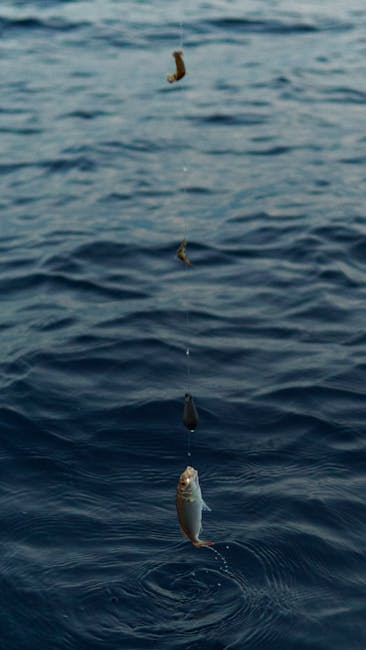
For targeting bottom-feeding species, the paternoster rig can be highly effective. This rig consists of a main line with multiple hooks spaced at intervals, allowing you to present several baits at different depths.
Fishing Techniques and Tips
Having the right gear is essential, but it’s your technique that will truly make the difference. Here are some tips to keep in mind:
Casting Techniques
Practice your casting technique to improve your distance and accuracy. A well-placed cast can be the difference between a good day of fishing and a disappointing one. Remember to follow through with your cast and aim for areas where fish are likely to congregate, such as rocky outcrops or areas with current.
Patience and Observation
Always exercise patience while fishing. Pay attention to your surroundings and look for signs of fish activity, such as jumping fish or birds diving into the water. These indicators can help you determine the best spots to cast your line.
Safety and Regulations
Finally, always prioritise safety while fishing. Wear appropriate clothing for the weather and be aware of local fishing regulations, including size and bag limits. Many local authorities provide guidelines to ensure sustainable fishing practices, so it’s important to adhere to these rules.
By following these tips and understanding the essentials of sea fishing, you can enhance your experience off the Sunderland coast. Whether you’re using natural or artificial sea fishing line bait, having the right gear and techniques will lead to more successful outings. Happy fishing!
About the Author