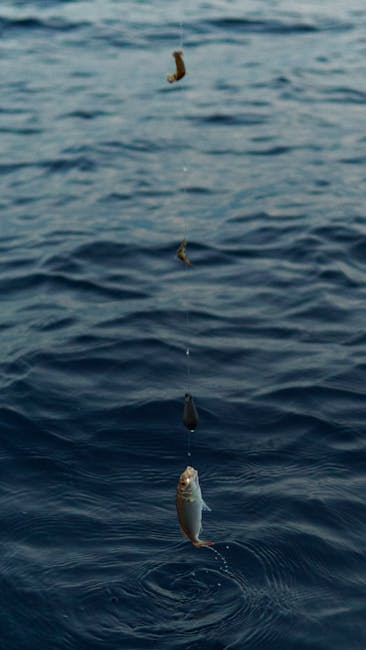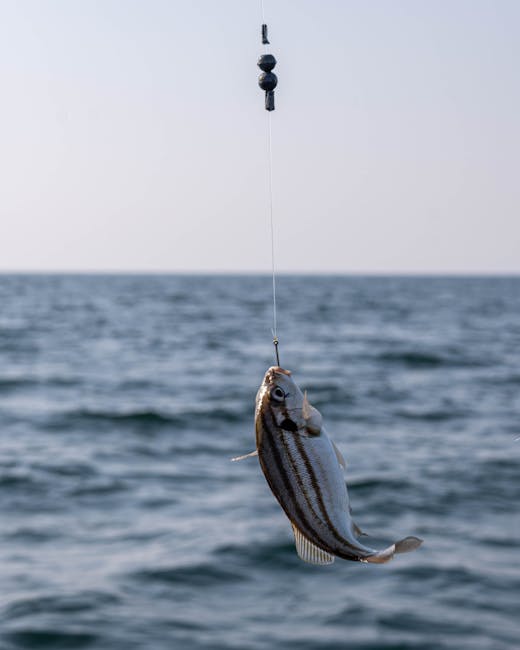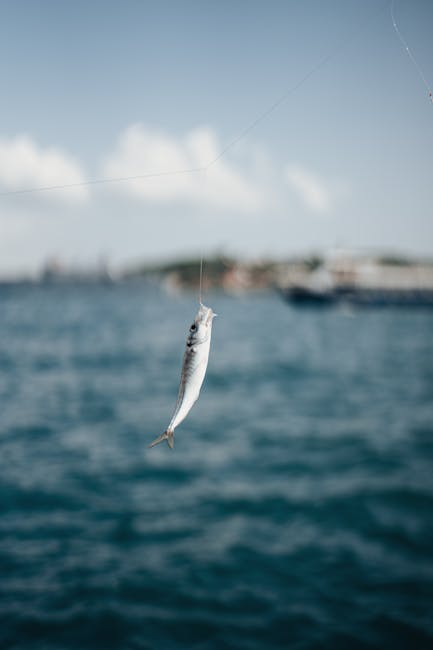
Photo by Ahmed via Pexels
Introduction to Sea Fishing
Sea fishing off the Sunderland coast is a thrilling adventure that attracts anglers from all over the UK. With its diverse marine life and stunning coastal scenery, Sunderland offers an excellent blend of fishing opportunities. Whether you are a seasoned fisherman or a novice looking to cast your first line, understanding the nuances of bait and tackle is essential for success. One of the most important aspects to consider is the type of sea fishing line and bait you use, as this can significantly affect your chances of landing a catch.
Understanding the Local Waters
Before you embark on your fishing expedition, it’s vital to familiarise yourself with the local waters. The Sunderland coastline is characterised by its rocky outcrops and sandy beaches, which create a variety of habitats for fish. Species such as cod, whiting, and mackerel are commonly found in these waters, so selecting the right bait is crucial.
The tidal patterns in the area also play a significant role in fish behaviour. Tide times can influence when fish are most active, so planning your trip around these times can enhance your fishing experience. Researching local tide charts can provide valuable insights into the best times to fish.
Choosing the Right Rod and Reel
Selecting the right rod and reel is fundamental for a successful day of sea fishing. For Sunderland’s coastal fishing, a medium to heavy spinning rod is often recommended, as it provides the strength needed to reel in larger fish. A rod length of around 10 to 12 feet is ideal, as it allows for better casting distance, especially in surf fishing situations.
Matching your reel to your rod is equally important. A spinning reel with a smooth drag system will help you manage the fight when a fish is on the line. Look for reels that can hold a decent amount of line, ideally 200-300 yards of 15-30 lb test line. This ensures you have enough line capacity for big catches.
Sea Fishing Line: What You Need to Know
When it comes to sea fishing line, there are two primary types to consider: monofilament and braided line. Monofilament line is a popular choice for beginners due to its ease of use and versatility. It offers good abrasion resistance, which is essential when fishing near rocky areas. However, braided line has become increasingly popular among experienced anglers because of its sensitivity and strength.
A general rule of thumb is to use a line with a breaking strain that exceeds the expected weight of the fish you’re targeting. For example, if you’re aiming for cod or larger species, a line with a breaking strain of 20-30 lb is usually suitable. Additionally, consider using a shock leader to provide extra protection against abrasion when reeling in fish.
The Best Bait for Sea Fishing
Choosing the right bait is crucial when it comes to sea fishing off the Sunderland coast. The local fish species respond well to various types of bait. Common options include:
1. **Mackerel**: This oily fish is not only a popular target for anglers but also makes excellent bait for larger species like cod and bass. Fresh mackerel fillets can be highly effective.
2. **Lugworm**: A favourite among sea anglers, lugworm is a great natural bait that appeals to a range of species. You can dig for them on local beaches or purchase them from bait shops.
3. **Squid**: Another versatile bait, squid can be used whole or in strips. Its strong scent can attract fish from a distance, making it an excellent choice for night fishing.
4. **Sandeel**: This small fish is often used as bait for predatory species. You can find sandeel in local tackle shops or catch them yourself with a small lure.
Understanding the feeding habits of the fish you are targeting will help you select the most effective bait. Observing what local anglers are using can also provide insight into what works best in the area.
Effective Fishing Techniques
Once you have your gear and bait ready, it’s time to consider the techniques that can enhance your fishing success. Here are some effective methods for sea fishing off the Sunderland coast:
– **Bottom Fishing**: This technique involves dropping your baited hook to the seabed and waiting for fish to bite. It’s particularly effective for species like cod and whiting.
– **Float Fishing**: Using a float allows you to present your bait at a specific depth. This method can be particularly useful when targeting species that feed near the surface.
– **Lure Fishing**: This technique involves using artificial lures that mimic the movement of prey. Lure fishing can be highly effective for species like bass and mackerel, especially during the summer months.
Experimenting with different techniques will help you discover what works best for you in the local waters.
Staying Safe and Respecting the Environment
While enjoying your fishing adventure, it’s paramount to prioritise safety and environmental responsibility. Always wear a life jacket when fishing from a boat or rocky areas, and be aware of the changing tides and weather conditions.
Respect the local marine environment by adhering to fishing regulations and practising catch and release where appropriate. This helps maintain the fish population and ensures that future generations can enjoy the same fishing opportunities.
The Joy of Fishing in Sunderland
Sea fishing off the Sunderland coast offers a unique experience that combines the thrill of the chase with the beauty of nature. By choosing the right fishing line and bait, along with employing effective techniques, you can increase your chances of a successful catch. Whether you’re reeling in a hefty cod or enjoying a peaceful day by the sea, fishing in Sunderland is sure to create lasting memories. So, gather your gear, head to the coast, and embrace the adventure that awaits you.
About the Author