Photo by Alimurat Üral via Pexels
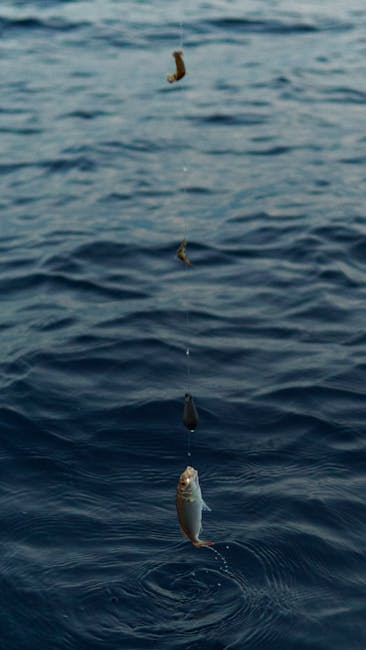
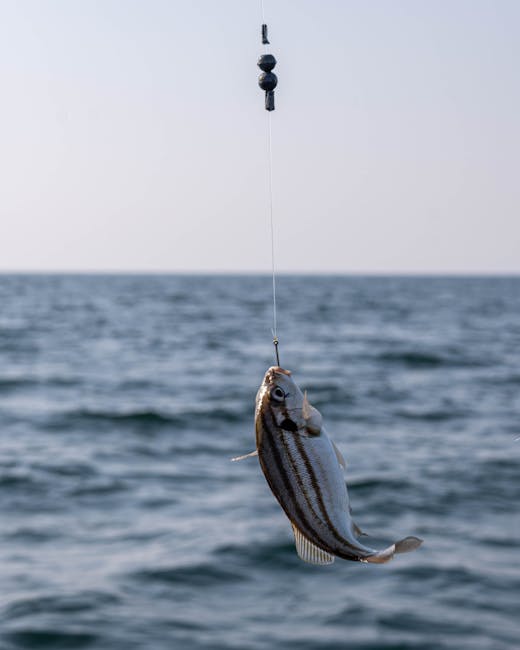
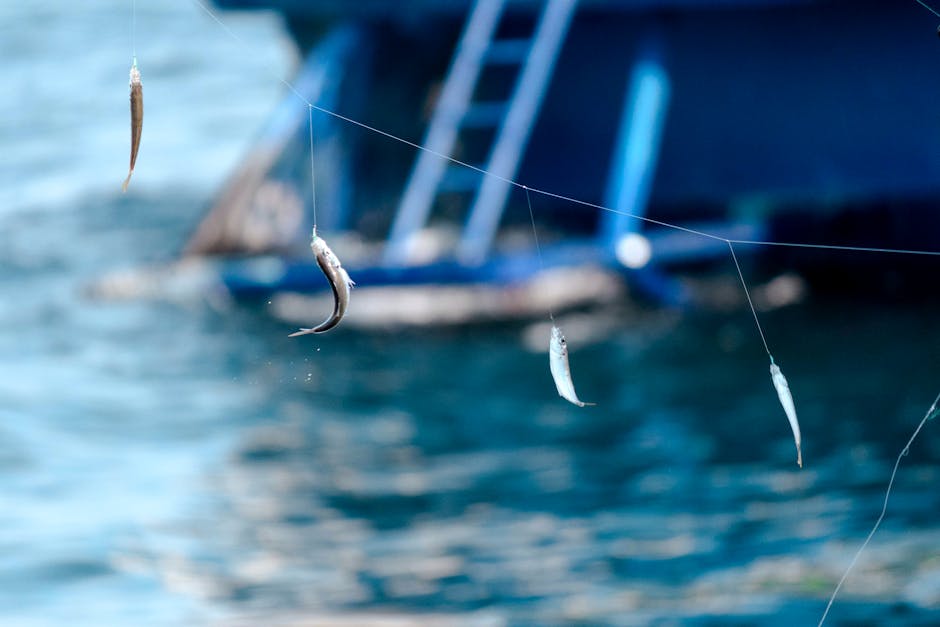
Sunderland’s coastline offers an exhilarating experience for sea fishing enthusiasts, with varied species and stunning scenery. To maximise your success on the water, understanding the best techniques and equipment is crucial. One of the most important factors to consider is your choice of sea fishing line bait, which can significantly influence your catch rate. This guide will explore effective rod tips, bait selection, and techniques specifically tailored for fishing off the Sunderland coast.
Understanding the Local Fishing Environment
The waters off Sunderland are teeming with life, from pollock and cod to mackerel and whiting. Each species has its own preferences, both in terms of bait and fishing techniques. Familiarising yourself with the local environment will enhance your fishing experience and increase your chances of landing a big catch.
The Sunderland coastline features a mix of rocky outcrops, sandy beaches, and piers, each offering unique fishing opportunities. The best time to fish typically coincides with changing tides, as this influences fish movement. Planning your fishing trips around these tidal changes can lead to more productive sessions.
Selecting the Right Sea Fishing Line Bait
When it comes to sea fishing, the type of bait you use can make all the difference. Natural baits are often the most effective, as they mimic the fish’s natural diet. Here are some popular options for sea fishing line bait when fishing off Sunderland:
1. Fresh Mackerel
Mackerel is a favourite among many anglers, not just for its availability but also for its effectiveness as bait. Fresh mackerel can be used whole or cut into strips, making it a versatile option. Its strong scent attracts predatory fish, increasing your chances of a successful catch.
2. Lugworm
Lugworm is another excellent bait choice, particularly for species like cod and whiting. These worms can be dug up from sandy beaches, making them a cost-effective option. When fishing with lugworm, ensure it is presented properly on your hook to maximise its effectiveness.
3. Squid
Squid is particularly effective in colder months when fish are looking for a substantial meal. Its tough texture allows it to stay on the hook longer, reducing the chances of it being stolen by smaller fish. When using squid, try cutting it into strips or cubes to create a more enticing presentation.
4. Peeler Crab
Peeler crab, or soft-shell crab, is highly sought after by anglers targeting larger species like bass. This bait is best used when it is freshly moulted, as this is when it is most appealing to fish. Just be sure to check local regulations regarding crab fishing to ensure compliance.
Choosing the Right Rod and Reel Setup
Equipping yourself with the right rod and reel setup is crucial for an enjoyable and successful fishing experience. Here are some tips to help you select the best gear for sea fishing off the Sunderland coast.
1. Rod Length
A longer rod, typically between 12 to 13 feet, is ideal for casting further out into the water. This length allows for better leverage when reeling in larger fish. However, if you are fishing from a pier or in a more confined space, a shorter rod may offer more control and precision.
2. Reel Type
When it comes to reels, both spinning and fixed spool options are popular among sea anglers. Spinning reels are versatile and ideal for beginners, while fixed spool reels offer better line control and are preferred by more experienced anglers. Choose a reel that balances well with your rod and can handle the weight of your expected catch.
3. Line Strength
Selecting the right line strength is essential for successful sea fishing. In general, a line with a breaking strain of 15 to 30 lbs is suitable for most species found off Sunderland. Consider using a braided line for added sensitivity and strength, especially when targeting larger fish.
Effective Fishing Techniques
Once you have your gear sorted, it’s time to focus on techniques that will enhance your fishing experience.
1. Bottom Fishing
Bottom fishing is a popular technique in the waters off Sunderland, particularly for species like cod and whiting. This involves casting your baited hook to the seabed and allowing it to sit still. A weight is typically used to keep the bait in place, making it easier for fish to find.
2. Lure Fishing
Lure fishing can be particularly exciting and rewarding. Using brightly coloured lures that mimic the movement of baitfish can entice predatory species like bass and pollock. Experimenting with different retrieval speeds and techniques can help you determine what works best on the day.
3. Drift Fishing
Drift fishing involves allowing your boat or kayak to drift with the current while you fish. This technique can cover a larger area and is effective for targeting fish that are more widely dispersed. It’s important to have a sharp eye on your bait and be ready to reel in at a moment’s notice.
Local Regulations and Conservation
Before heading out, it’s essential to familiarise yourself with local fishing regulations. These rules are in place to protect fish populations and ensure sustainable fishing practices. Always check for size and bag limits on specific species, and consider using barbless hooks to minimise harm to catch-and-release fish.
By adhering to these regulations and practising responsible fishing, you can help preserve the vibrant marine ecosystem off the Sunderland coast for future generations of anglers.
In summary, successful sea fishing off the Sunderland coast hinges on selecting the right bait, understanding the local environment, and using appropriate techniques and gear. By implementing these tips, you can enhance your fishing experience and increase your chances of landing a memorable catch.
About the Author