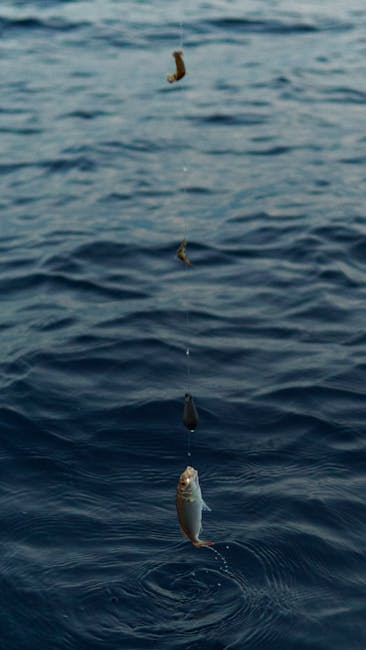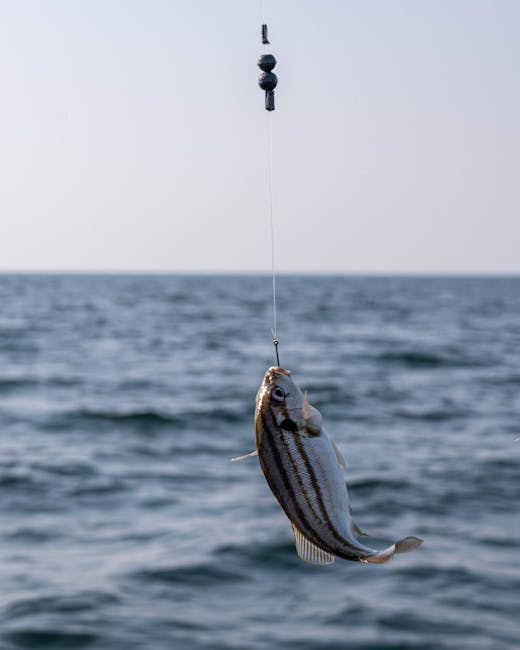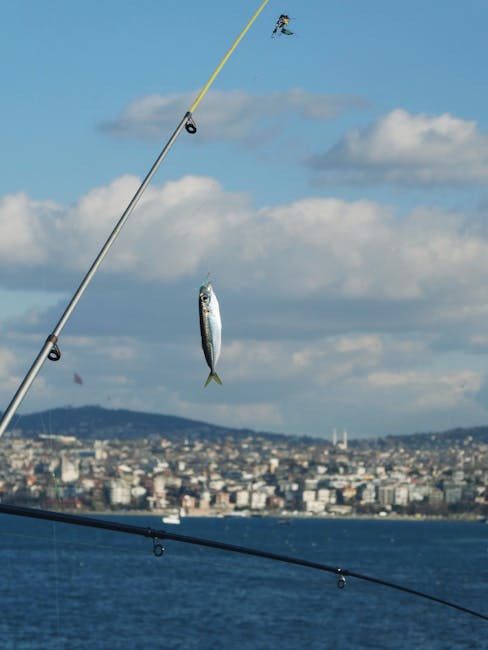
Photo by Kafeel Ahmed via Pexels
Sea fishing off the Sunderland coast offers a remarkable experience for anglers of all skill levels. With its rich marine life and stunning coastal scenery, it’s a prime location for catching various species. To maximise your chances of success, understanding the best fishing techniques and the right sea fishing line bait is essential. In this post, we’ll explore effective fishing tips, the types of rods to use, and the best bait to attract your target species.
Choosing the Right Rod for Sea Fishing
Your choice of fishing rod plays a critical role in your overall success. When fishing off the coast, the demands of saltwater fishing require a rod that can withstand tough conditions while offering sensitivity and strength.
Length and Power
For sea fishing, a rod length between 10 to 12 feet is generally recommended. This length allows for better casting distance, which is essential when targeting fish that are often found further from the shoreline. A medium to heavy power rating is ideal, as it provides the strength needed to handle larger species while still allowing for the finesse required in bait presentation.
Rod Material
When selecting a rod, consider materials such as fibreglass or graphite. Fibreglass rods are durable and can handle rough conditions, making them suitable for beginners. Graphite rods, on the other hand, are lighter and more sensitive, allowing for better feedback when a fish bites. Depending on your experience level and the fishing conditions, either option can serve you well.
Understanding Sea Fishing Line Bait
Selecting the right bait is crucial for attracting fish in any fishing situation, but especially in the diverse waters off Sunderland. Sea fishing line bait varies depending on the species you aim to catch. Here are some effective options:
Natural Baits
Natural baits are often the most effective when fishing in saltwater. Here are a few popular choices:
1. **Mackerel:** This oily fish is irresistible to predatory species like bass and cod. You can use fresh or frozen mackerel as cut bait or whole.
2. **Lugworms:** A classic choice for shore fishing, lugworms are particularly effective for species such as flatfish and whiting. They are readily available from local tackle shops.
3. **Prawns:** Fresh or frozen prawns can be used to attract a variety of fish, including pollock and pouting. Their natural scent and movement in the water can make them very appealing.
4. **Squid:** Squid is another great option, especially when targeting larger fish. It can be used whole or cut into strips, and its tough texture helps it stay on the hook longer.
Artificial Baits
While natural baits are highly effective, artificial options can also yield great results. Lures can mimic the movement of prey fish, enticing larger species to strike. Here are a few types to consider:
1. **Jigging Lures:** These are designed to be bounced along the seabed, imitating the erratic movement of struggling baitfish, which can attract predatory species.
2. **Soft Plastic Baits:** These versatile lures come in various shapes and sizes, allowing you to mimic different prey. They can be rigged on a jig head or used with a weighted hook.
3. **Spinners and Spoons:** These shiny lures create vibrations and flash in the water, attracting fish from a distance. They are particularly effective when targeting species like mackerel and bass.
Techniques for Successful Fishing
Having the right rod and bait is essential, but your fishing techniques can make a significant difference in your success rate. Here are some effective methods to consider:
Casting Techniques
When fishing from the shore, mastering your casting technique is vital. A well-placed cast can increase your chances of landing a fish. Practice a smooth, controlled motion, releasing the line at the right moment to achieve maximum distance. Aim for areas where the water is deeper or where you can see fish activity.
Retrieval Methods
Once your bait is in the water, how you retrieve it can make a difference. For natural baits, a slow and steady retrieve mimics the movement of prey. If you are using lures, try varying your speed and action. For instance, a quick retrieve followed by a pause can entice a curious fish to strike.
Understanding Tides and Weather
Fishing conditions can change dramatically with the tides and weather. Generally, the best times to fish are during the incoming tide and the first hour of the outgoing tide. Fish tend to be more active during these periods as they hunt for food. Additionally, overcast days can enhance your chances, as fish are less wary and more likely to venture close to the surface.
Safety and Conservation Practices
While enjoying your fishing experience, it’s essential to consider safety and conservation. Always wear appropriate safety gear, use sunscreen, and stay hydrated. Be mindful of local fishing regulations, including size and bag limits, to help preserve the marine environment for future generations.
Taking care to release undersized or unwanted fish properly helps maintain healthy fish populations, ensuring that the Sunderland coast remains a thriving fishing destination.
By following these tips and understanding the best practices for sea fishing off the Sunderland coast, you’ll not only increase your chances of landing a big catch but also enjoy a rewarding experience in one of the UK’s most beautiful coastal areas. Happy fishing!
We recently covered this in Understanding the Unique Aspects of Sunderlands Glassmaking Industry.
About the Author