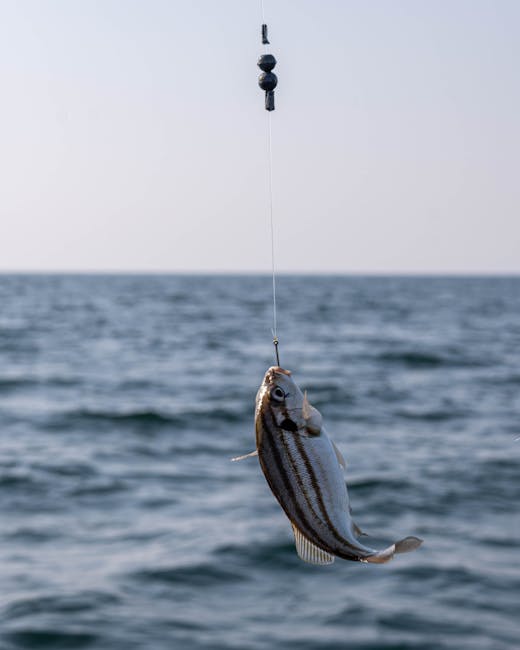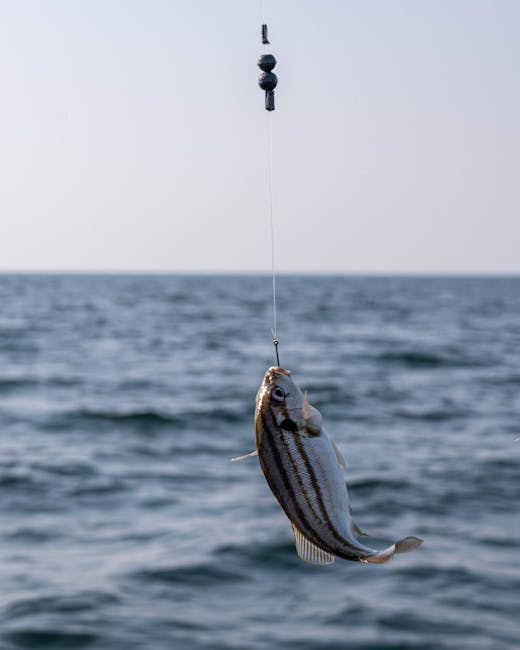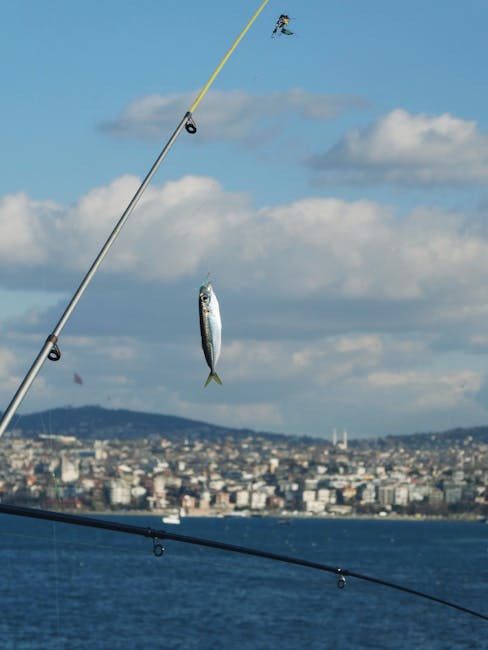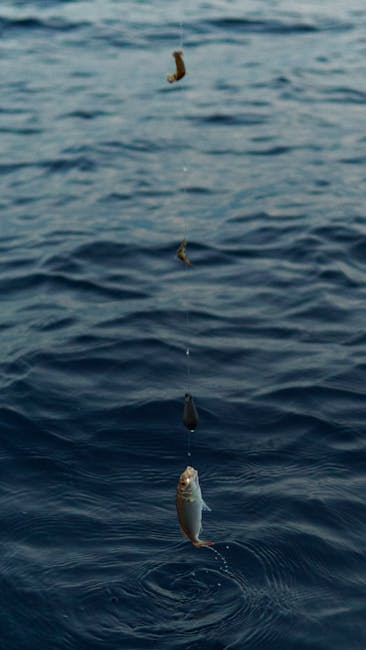
Photo by Tolga Aksoy via Pexels
Introduction to Sea Fishing in Sunderland
Sunderland, located on the scenic North East coast of England, is a fantastic destination for sea fishing enthusiasts. With its diverse marine life and picturesque coastline, anglers find themselves drawn to the waters for both sport and leisure. When it comes to successful sea fishing, one of the fundamental aspects to consider is the type of sea fishing line bait you use. Selecting the right bait can significantly enhance your chances of landing a catch, whether you’re after mackerel, cod, or flatfish. In this guide, we will explore the best rod tips and bait choices to help you make the most of your fishing experience in Sunderland.
Understanding the Local Marine Environment
Before diving into the specifics of bait and equipment, it is essential to understand the local marine environment. Sunderland’s coastal waters are rich in biodiversity, attracting various fish species throughout the year. Depending on the season, different fish will be more prevalent, and understanding this can influence your choice of bait. For instance, during the warmer months, you may find an abundance of mackerel, which are often drawn to shiny lures or natural baits like sandeel.
Choosing the Right Rod for Sea Fishing
Selecting the right rod is crucial when planning your sea fishing expedition. The choice of rod can depend on several factors, including the type of fish you aim to catch and the fishing method you prefer.
Types of Rods
1. **Beach Casting Rods**: These rods are typically longer, allowing for greater casting distance. They are ideal for surf fishing, where you need to reach the deeper waters where larger fish congregate.
2. **Boat Rods**: If you prefer to fish from a boat, a sturdy boat rod is necessary. These rods are shorter and more robust to handle the pressure of larger fish.
3. **Spinning Rods**: For those who enjoy using lures, a spinning rod can offer the sensitivity needed to detect bites while providing the versatility to switch between different types of bait.
Rod Action and Power
Understanding rod action (the flexibility of the rod) and power (the rod’s ability to handle weight) is also vital. A fast action rod will provide better sensitivity for detecting bites, while a medium to heavy power rod is suitable for larger species.
Sea Fishing Line Bait: What to Use
When it comes to bait, the choice can be overwhelming, but certain types have proven to be more effective in the waters off Sunderland.
Natural Bait Options
1. **Sandeel**: This is one of the most popular baits among local anglers. Sandeel mimics the natural prey of many fish species, making it an effective choice for targeting mackerel and cod.
2. **Lugworm**: A traditional favourite for many sea anglers, lugworm is particularly effective for flatfish. Its scent and wriggling motion in the water can attract fish looking for an easy meal.
3. **Mackerel Strip**: If you’re targeting larger species, using mackerel strips can be incredibly effective. The oily flesh releases a strong scent, attracting predatory fish.
4. **Prawns and Crabs**: These bait options can entice a variety of species and are particularly effective for catching bass.
Artificial Bait and Lures
In addition to natural baits, many anglers have found success using artificial lures. These can be particularly effective when targeting species like bass and pollock.
1. **Spinners**: These lures create movement and flash in the water, enticing fish to strike. They are particularly effective for fast-swimming species like mackerel.
2. **Jigs**: These versatile lures work well at various depths and can mimic the movement of injured fish, making them irresistible to predators.
3. **Soft Plastics**: Available in various shapes and colours, soft plastic lures can imitate a wide range of prey. They are especially useful when fishing in rocky areas or around wrecks.
Techniques for Effective Sea Fishing
Once you’ve selected your rod and bait, it’s time to consider your fishing techniques. The method you choose can greatly influence your success rate.
Surf Casting
When fishing from the beach, surf casting is a popular technique. This method involves casting your line beyond the breaking waves, where fish are often feeding. Using a heavier sinker can help you reach the right depth.
Bottom Fishing
For species that feed near the seabed, bottom fishing is ideal. This involves letting your bait sink to the bottom and waiting for fish to bite. A weight is often required to keep the bait stationary.
Drift Fishing
This technique is commonly used while fishing from a boat. By allowing the current to carry your bait, you can cover a larger area and increase your chances of encountering fish.
Local Regulations and Best Practices
Before you head out, it’s important to be aware of local fishing regulations. Adhering to size limits and closed seasons helps protect fish populations and ensures sustainable fishing practices. Always check local guidelines, and consider using barbless hooks to minimise harm to fish.
Final Thoughts on Sea Fishing in Sunderland
Sea fishing off the Sunderland coast offers a rewarding experience for both seasoned anglers and beginners alike. By understanding the local environment, selecting the right rod, and choosing effective sea fishing line bait, you can significantly enhance your chances of landing a memorable catch. Whether you’re casting from the beach or venturing out to sea, the thrill of fishing in these waters is sure to leave you with lasting memories.
For more detail, see Understanding Why Sunderland Became the World’s Largest Shipbuilding Town.
About the Author