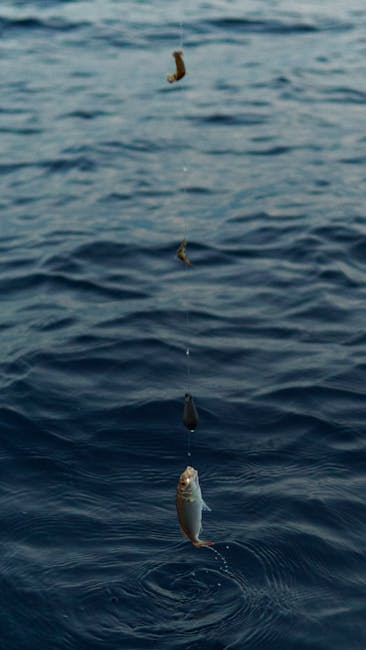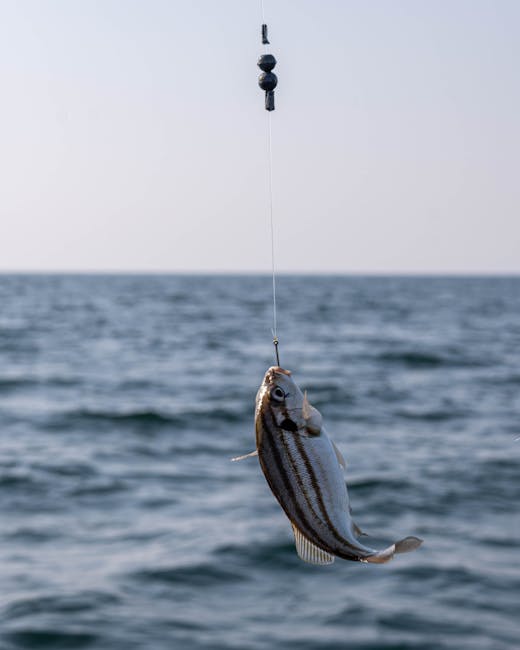
Photo by Ahmed via Pexels
Fishing enthusiasts flock to the Sunderland coast for its rich marine life and stunning scenery. Known for its diverse array of fish, ranging from cod to mackerel, this area presents both challenges and rewards for sea anglers. Understanding the best techniques and choosing the right sea fishing line bait can significantly enhance your experience. In this blog post, we will explore effective rod tips and bait selections that can help you make the most of your fishing trips along the Sunderland coastline.
The Importance of Choosing the Right Rod
When venturing into sea fishing, selecting the appropriate rod is crucial. The rod serves as the primary tool in your fishing arsenal, and its specifications can greatly influence your success rates.
Length and Action
A longer rod, typically between 12 to 15 feet, is ideal for sea fishing as it allows you to cast further and cover more water. However, the action of the rod is equally important. A fast action rod, which bends mostly at the tip, is excellent for quick hook sets, especially when targeting species like bass or pollock. Alternatively, a moderate action rod offers more flexibility and is often better suited for larger fish, providing the angler with more control during the fight.
Material Matters
Modern fishing rods are made from various materials, including fibreglass, graphite, and composite mixes. Graphite rods are lightweight and sensitive, allowing anglers to feel even the slightest nibble. Fibreglass rods, on the other hand, are more durable and forgiving, making them a good choice for beginners or those who fish in rugged conditions.
Understanding Sea Fishing Line Bait
Choosing the right sea fishing line bait can mean the difference between a successful catch and a day of disappointment. The bait you select should mimic the natural diet of the fish you are targeting.
Types of Bait
1. **Natural Baits**: These include worms, squid, and fish strips. Worms are highly effective for species like flounder and whiting, while squid can attract larger predators like cod and bass. Fish strips, especially herring or mackerel, can be used for bottom fishing and are particularly effective during the warmer months.
2. **Artificial Baits**: Lures, such as plugs and jigs, are designed to imitate the movement of injured fish. They can be particularly effective in attracting predatory species. When opting for artificial bait, consider the colour and size; bright colours may work better in murky waters, while more natural tones can be effective in clear conditions.
How to Present Your Bait
The way you present your bait can significantly affect your success. For natural baits, ensure they are securely attached to your hook and are presented in a way that mimics natural movement. For instance, if using a squid, threading it onto the hook in a way that allows it to flutter in the water can attract more fish.
For lures, varying your retrieval speed can make a difference. A slow, steady retrieve may work well for bottom-dwelling fish, while a fast, erratic action can entice predatory species. Experimenting with different techniques can help you find the most effective method for the day.
Weather and Tides: Key Factors
Understanding the impact of weather and tides can also enhance your fishing experience. Fish are often more active during certain tidal movements, particularly just before and after high tide. Check local tide tables to plan your fishing trips accordingly.
Moreover, weather conditions can dictate fish behaviour. Overcast days can lead to increased feeding activity, while bright sunshine may push fish deeper into the water. Always keep an eye on the forecast and adjust your fishing plans as necessary.
Safety and Regulations
While fishing can be a thrilling adventure, safety should always be your top priority. Ensure you are equipped with life jackets if fishing from a boat or jetty. Familiarise yourself with local regulations regarding fishing limits and protected species. The Marine Conservation Society provides valuable resources on sustainable fishing practices in the UK.
Local Knowledge and Community
Engaging with local anglers can provide invaluable insights into the best fishing spots and techniques specific to the Sunderland coast. Consider visiting local tackle shops or joining fishing forums to share experiences and gain tips. Many local anglers are more than willing to share their knowledge, helping newcomers to improve their skills and enjoy the sport.
By understanding the nuances of rod selection, bait choices, and local conditions, you can significantly enhance your sea fishing experience off the Sunderland coast. Remember, each trip is a learning opportunity, and patience is often the key to success in this rewarding pastime. Whether you are a seasoned angler or a beginner, the Sunderland coast promises a fishing experience filled with adventure and discovery.
About the Author