Photo by Tolga Aksoy via Pexels
The Sunderland coast, with its rich marine life and diverse fishing opportunities, is a favourite among anglers. Whether you’re a seasoned fisherman or a novice looking to explore the thrilling world of sea fishing, understanding the right techniques and equipment is essential. When it comes to effective sea fishing, one of the critical elements is the choice of sea fishing line bait. This blog post will guide you through the best rod tips to enhance your fishing experience along the Sunderland coast.
Understanding the Local Marine Environment
Before diving into the technical aspects of fishing, it is vital to understand the local marine ecosystem. The waters off Sunderland are home to a variety of species, including cod, mackerel, and flatfish, each requiring different approaches. Knowing the habits of these fish can greatly increase your chances of a successful catch.
The Importance of Choosing the Right Rod
The first step in preparing for a fishing trip is selecting the appropriate rod. The type of rod you choose can significantly affect your performance. Here are some considerations:
- Length: A longer rod can provide better casting distance, which is advantageous when fishing from the shore or a boat. A rod between 10 to 12 feet is generally recommended for sea fishing.
- Action: The action of a rod refers to how much it bends under pressure. For sea fishing, a medium action rod offers a good balance between sensitivity and strength, making it suitable for various species.
- Power: Choose a rod with enough power to handle the size of fish you are targeting. A medium to heavy power rod is ideal for larger species found off the Sunderland coast.
Choosing the Right Reel
Just as important as the rod is the reel. A quality reel can enhance your fishing experience by providing smooth operation and reliability. When selecting a reel, consider the following:
- Type: Spinning reels are popular for sea fishing due to their ease of use. They are ideal for beginners and allow for versatile fishing techniques.
- Gear Ratio: A higher gear ratio allows for quicker retrieval, which can be beneficial when fishing for fast-moving species like mackerel.
- Line Capacity: Ensure the reel can accommodate the line weight you plan to use, especially when targeting larger fish.
Understanding Sea Fishing Line Bait
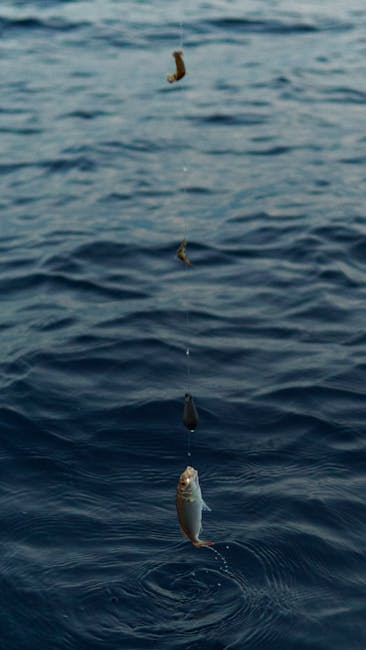
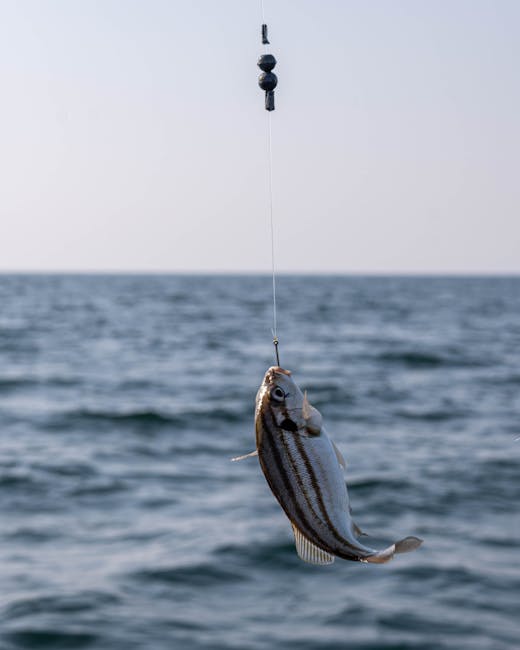
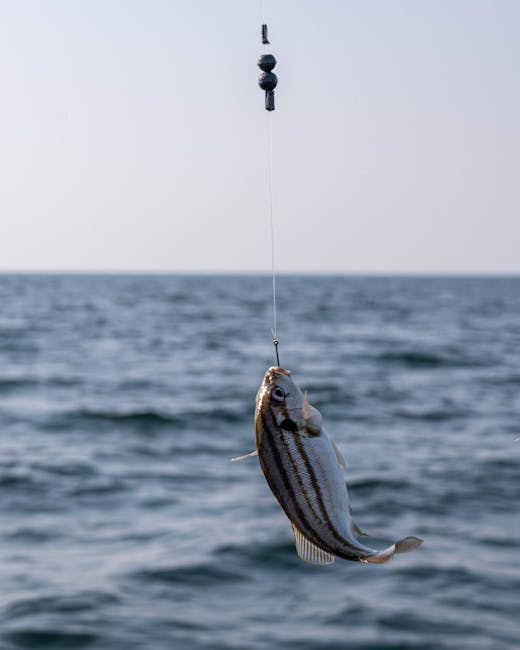
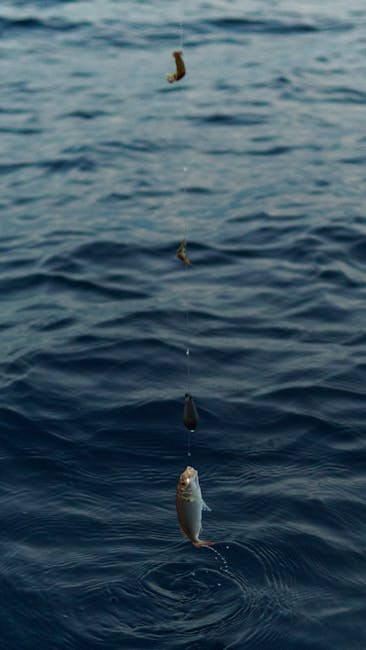
The type of bait you use can be the deciding factor between a successful fishing trip and going home empty-handed. The choice of sea fishing line bait should be informed by the species you are targeting. Here are some common bait options:
- Natural Baits: These include worms, shellfish, and fish strips. Natural baits are often more attractive to fish and can yield better results.
- Artificial Baits: Lures and jigs can mimic the movement of prey and are highly effective, especially for species like mackerel and pollock.
- Prepared Baits: Many anglers opt for commercially prepared baits that are designed to attract specific species. These can be particularly useful for beginners.
Techniques for Effective Casting
Once you have your rod, reel, and bait ready, mastering your casting technique is crucial. Here are some tips to improve your casting:
- Stance: Stand with your feet shoulder-width apart and maintain a relaxed posture. Your non-dominant foot should be slightly forward to provide balance.
- Grip: Hold the rod firmly but not too tightly. Your grip should be comfortable to allow for smooth movement during the cast.
- Back Cast: As you prepare to cast, bring the rod back over your shoulder. The movement should be fluid, and you should aim for a smooth transfer of energy to the forward cast.
- Follow Through: After releasing the line, allow the rod to follow through naturally. This will help ensure a more accurate cast and reduce the chance of tangling.
Understanding Tides and Weather Conditions
The tides and weather can significantly impact your fishing success. It is essential to plan your trips around tidal movements, as fish tend to be more active during certain phases of the tide. Additionally, monitoring weather conditions such as wind speed and direction can help you choose the best fishing spots along the Sunderland coast.
Safety and Regulations
Always prioritise safety while fishing. Wear appropriate gear, including a life jacket if you’re on a boat, and be aware of local regulations regarding fishing methods and protected species. Familiarise yourself with the relevant fishing seasons and size limits to ensure sustainable practices.
Final Thoughts
Sea fishing off the Sunderland coast can be a rewarding experience with the right preparation and knowledge. By understanding the local marine environment, selecting the right rod and reel, choosing effective sea fishing line bait, mastering casting techniques, and being aware of tides and regulations, you can enhance your chances of a successful fishing trip. Whether you’re fishing for leisure or competition, the thrill of reeling in a big catch is one of the joys of the sport.
For more information on fishing regulations and local species, you can refer to the Marine Management Organisation.
About the Author