Photo by Kafeel Ahmed via Pexels
The Sunderland coastline is renowned for its rich marine life, making it a popular destination for sea fishing enthusiasts. Whether you’re a seasoned angler or just starting out, understanding the best practices for sea fishing, particularly regarding line and bait, can significantly enhance your experience. This article delves into effective rod tips specifically tailored for sea fishing off the Sunderland coast, with a focus on selecting the right sea fishing line bait to improve your catch rate.
Understanding the Coastal Environment
Before diving into the specifics of tackle and bait, it’s vital to appreciate the unique conditions presented by the Sunderland coastline. The waters here are influenced by tidal movements, seasonal changes, and various underwater structures, all of which affect fish behaviour. Knowledge of these aspects can help you choose appropriate gear and bait for the best results.
Selecting the Right Fishing Rod
Your fishing rod is your primary tool for sea fishing, and selecting the right one is crucial. Consider factors such as length, action, and power:
- Length: For shore fishing along the Sunderland coast, a rod between 10 to 14 feet is ideal. This length allows better casting distance while still providing the control needed to manage larger fish.
- Action: A medium to fast action rod offers versatility, enabling you to feel the bites while also having the strength to handle larger specimens.
- Power: Choose a rod rated for medium to heavy power, as this will give you the backbone necessary when reeling in stronger fish like cod or pollock.
Choosing the Right Fishing Line
The fishing line you choose is just as important as your rod. Different types of lines have unique properties that can affect your fishing success:
- Monofilament: This line is a popular choice for beginners due to its ease of use and flexibility. It has good knot strength and stretches, which can help absorb the shock of a fish’s sudden movements.
- Braid: Braided line offers high sensitivity and low stretch, making it ideal for detecting bites in choppy waters. It has a smaller diameter for the same strength, allowing for longer casts.
- Fluorocarbon: This line is nearly invisible underwater, making it an excellent choice for wary species. It also sinks faster than monofilament, which can help your bait reach the desired depths more quickly.
The Importance of Sea Fishing Line Bait
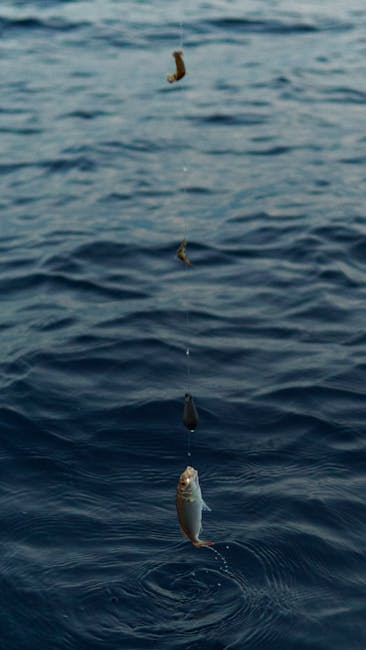
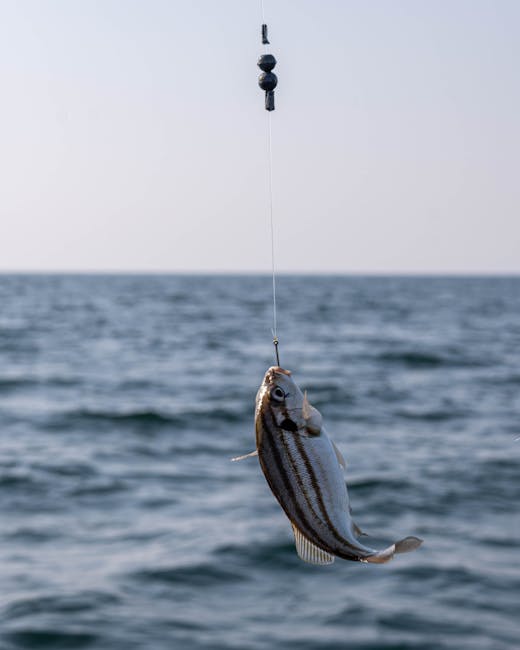
One of the most critical elements of successful sea fishing is the bait you choose. The right sea fishing line bait can attract various species prevalent in the waters off Sunderland. Here are some effective options:
- Fresh Bait: Using fresh fish such as mackerel, herring, or sand eels can be particularly effective. These bait fish are naturally abundant in local waters and are irresistible to predatory species.
- Shellfish: Cockles and mussels can also be excellent bait, especially for species like cod and flatfish. They are hardy and can withstand the rigours of casting and being submerged.
- Artificial Lures: While not traditional bait, artificial lures such as jigs and spoons can mimic the movement of prey and are often effective in enticing fish. They can be particularly useful in clearer waters where fish might be more cautious.
Techniques for Bait Presentation
How you present your bait can be as important as the bait itself. Here are some techniques to consider:
- Bottom Fishing: For species like cod, use a rig that allows your bait to rest on the seabed. This involves using a weight that keeps your bait stationary, which is appealing to bottom feeders.
- Float Fishing: This technique allows your bait to suspend at a certain depth, making it suitable for targeting fish that are mid-water. Adjust the depth based on the tide and fish activity.
- Drifting: When fishing from a boat, drifting allows you to cover more ground. Use a combination of weighted rigs and floats to present your bait at varying depths.
Timing Your Fishing Trip
Choosing the right time to fish can significantly influence your success. Early mornings and late evenings are often the best times to catch species like bass and mackerel as they feed closer to the surface. Additionally, fishing during the tides can be advantageous—many anglers find that the period an hour before and after high tide can yield fruitful results.
Local Regulations and Best Practices
Before heading out, it’s important to be aware of local fishing regulations. The Sunderland coast is subject to certain restrictions to protect fish populations and habitats. Always check for any licensing requirements, size limits, and seasonal restrictions to ensure sustainable fishing practices.
Engaging with local fishing communities or organisations can also provide valuable insights into the best practices and latest developments in sea fishing. They often share information about the most effective techniques, bait, and even locations to enhance your fishing experience.
Wrapping Up Your Fishing Experience
Sea fishing off the Sunderland coast can be a rewarding experience, particularly when armed with the right knowledge about rods, lines, and bait. By selecting optimal sea fishing line bait and employing effective techniques, you can improve your chances of landing that prized catch. Remember to stay informed about local regulations and conditions, and most importantly, enjoy the time spent by the water.
About the Author