Photo by Tolga Aksoy via Pexels
Sunderland’s coastline offers a plethora of opportunities for sea fishing enthusiasts. With its rich marine life and picturesque views, it’s no wonder anglers flock here in search of the perfect catch. Whether you’re a seasoned fisherman or just starting, understanding the best techniques, including the right choices for sea fishing line and bait, can dramatically enhance your experience.
Choosing the Right Fishing Line
A successful sea fishing expedition begins with selecting an appropriate fishing line. The type of line you choose can significantly influence your catch rate, especially in the varied conditions of the North Sea.
Monofilament vs. Braided Line
Monofilament lines are popular due to their elasticity and ease of handling. They have a degree of stretch which can be beneficial when fighting fish, as it helps absorb shocks. However, they can be prone to tangles and may not perform as well in deep waters.
On the other hand, braided lines offer superior strength and sensitivity, making them ideal for sea fishing where larger species are often targeted. Their thinner diameter allows for greater casting distance, which is particularly useful when fishing from the shore or a boat.
Breaking Strain and Length
When selecting a line, consider the breaking strain. For most sea fishing off Sunderland, a line with a breaking strain between 15-30lb is advisable, depending on the species you are targeting. Additionally, ensure that the length of your line is appropriate for your fishing setup; typically, a longer line is better for deeper waters.
Optimal Bait Selection
The choice of bait can make or break your fishing trip. Different species respond to different types of bait, so understanding which sea fishing line bait to use is essential.
Natural Bait Options
Natural baits such as lugworms, ragworms, and squid are particularly effective for attracting a variety of species like cod, whiting, and flatfish. These baits not only mimic the natural diet of fish but also produce scents that can lure them in from a distance.
Lugworms, for instance, are especially popular during the colder months when many fish are seeking a hearty meal. They can be easily dug up along the coastline and are a favourite among local anglers. Ragworms are another great option, known for their wriggling movement that entices nearby fish.
Artificial Baits
For those who prefer to use artificial baits, soft plastics and lures can be highly effective. These can be particularly useful for targeting predatory fish. The movement and colour of artificial baits can simulate distressed prey, making them irresistible to fish like pollack and mackerel.
When using artificial baits, it’s essential to match the size and colour to the conditions and the species you are targeting. Bright colours may work well in murky waters, while more natural tones can be effective in clearer conditions.
Effective Rigging Techniques
How you rig your line and bait can significantly impact your success. The right rig can help present your bait effectively and increase your chances of a bite.
Basic Rigs for Sea Fishing
One of the most common rigs used for sea fishing off Sunderland is the running ledger rig. This rig allows the fish to take the bait without feeling the weight of the sinker, making it particularly effective for species like cod and whiting.
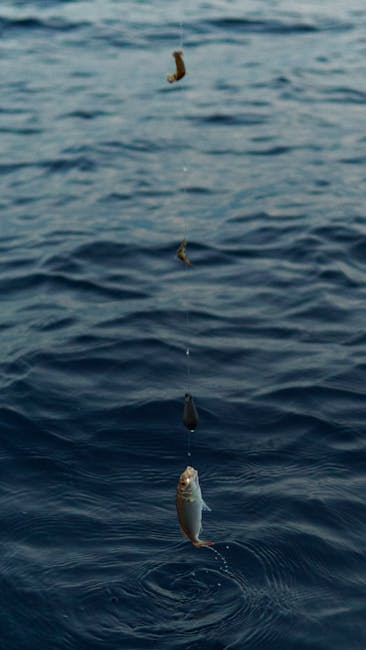
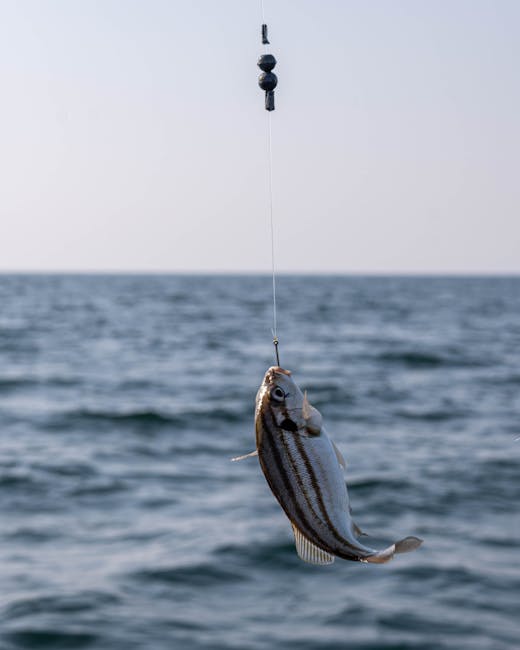
Another popular option is the two-hook flapper rig, which is great for targeting a variety of species simultaneously. By using two hooks set at different heights, you increase the chance of attracting fish feeding at various levels in the water column.
Consider the Current and Tide
It’s essential to consider the tidal conditions when setting up your rig. Strong currents may require heavier weights, while calmer conditions allow for lighter setups. Additionally, fishing during the rise or fall of the tide can produce better results, as fish tend to be more active during these times.
Timing Your Fishing Trip
Timing is crucial for successful sea fishing. Early mornings and late evenings are often the best times to fish, as many species are more active during these hours. Additionally, planning your trip around tidal patterns can enhance your likelihood of success.
Fish tend to feed more aggressively during flooding or ebbing tides, making these periods ideal for fishing. It can be beneficial to consult tide charts and local fishing reports to optimise your fishing schedule.
Safety and Regulations
While fishing can be a thrilling adventure, safety should always be a priority. Ensure you are equipped with the necessary safety gear, especially when fishing from a boat or rocky areas. Life jackets, first aid kits, and appropriate clothing for changing weather conditions are essential.
Moreover, be aware of local fishing regulations. Certain areas may have restrictions on specific species or sizes, and it’s crucial to adhere to these rules to ensure sustainable fishing practices. The Marine Management Organisation provides up-to-date information on regulations and conservation efforts in the region.
In summary, sea fishing off the Sunderland coast can be a rewarding experience with the right preparation, knowledge, and techniques. By selecting the appropriate sea fishing line bait, understanding rigging and timing, and prioritising safety, anglers can maximise their enjoyment and success on the water. Whether you’re casting from the shore or a boat, the Sunderland coast promises a memorable fishing adventure.
About the Author