Photo by Ahmed via Pexels
Sea fishing off the Sunderland coast offers enthusiasts a wealth of opportunities to catch a variety of fish, from mackerel to cod. One of the key elements to a successful fishing experience is understanding the importance of sea fishing line and bait. Selecting the right gear and techniques can significantly increase your chances of landing that perfect catch. In this guide, we will explore essential tips to enhance your sea fishing adventures along the stunning Sunderland shoreline.
Understanding Sea Fishing Line
The type of fishing line you choose can impact your overall fishing effectiveness. When it comes to sea fishing, there are several factors to consider.
1. Types of Fishing Line
There are primarily three types of fishing line: monofilament, fluorocarbon, and braided. Each has its own advantages:
- Monofilament: This is a versatile line that is easy to handle and knot, making it a popular choice for beginners. It has good stretch, which can be beneficial when fighting a fish.
- Fluorocarbon: Known for its invisibility underwater, fluorocarbon is ideal for clear waters. It also sinks faster than monofilament, which can be advantageous in certain fishing situations.
- Braided: This line offers high strength and thin diameter, allowing you to feel bites more effectively. However, it may require careful handling to avoid tangles.
2. Line Strength and Diameter
Choosing the right line strength is crucial. A line that is too thin may break under the weight of a large fish, while a line that is too thick can deter fish from biting. For sea fishing off Sunderland, a line strength of 15 to 30 lb test is typically recommended, depending on the species you’re targeting.
Selecting the Right Bait
Your choice of bait plays a significant role in attracting fish. Sea fishing line bait varies with the species you aim to catch, and using the right bait can make all the difference.
1. Live Bait vs. Artificial Bait
Live bait, such as ragworms, lugworms, or sand eels, is often preferred for its effectiveness in tempting fish. However, artificial lures can also be successful, especially in certain conditions. The key is to experiment and see what works best for you on the day.
2. Seasonal Considerations
Different species are prevalent at various times of the year. For instance, mackerel fishing is best in late summer, while cod are more active in the colder months. Check local reports or consult fellow anglers for insights on what bait works best during your fishing trips.
Techniques for Effective Bait Presentation
Once you have your fishing line and bait sorted, the next step is to ensure that your bait is presented in a way that will attract fish.
1. Rigging Your Bait
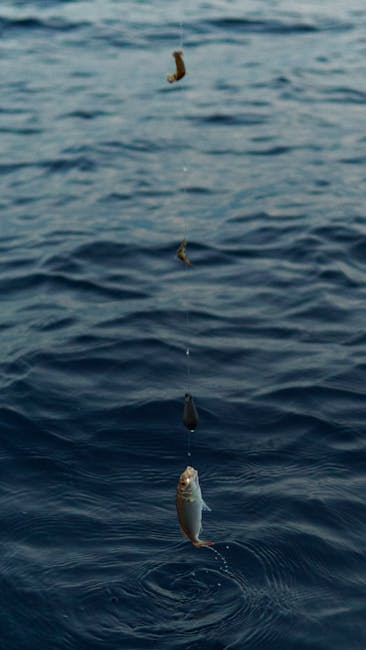
Using the correct rig can enhance your bait’s effectiveness. For bottom fishing, a simple two-hook flapper rig is popular. This involves two hooks attached to a length of line, allowing both to present bait effectively on the seabed.
2. Casting Techniques
Learning how to cast properly is essential. A smooth, controlled cast will ensure your bait lands in the optimal area. Practise your technique on land to build confidence before hitting the water.
Choosing the Right Fishing Spot
Finding the right location can dramatically improve your sea fishing experience. Sunderland’s coastline offers various spots that cater to different types of fishing.
1. Popular Fishing Areas
Popular spots include the Roker Pier and the beaches near Seaburn. These areas often have a mix of rocky and sandy bottoms, providing diverse habitats for fish. Additionally, local knowledge can guide you to lesser-known spots that may be less crowded but equally productive.
2. Tides and Weather Conditions
Pay attention to tides and weather patterns, as these can affect fish behaviour. Generally, fishing is best two hours before and after high tide. Overcast days are also favourable, as fish tend to be more active.
Safety and Environmental Considerations
While enjoying your sea fishing experience, it’s essential to adhere to safety guidelines and respect the environment. Always wear appropriate safety gear, particularly if you are fishing from a boat or rocky areas. Moreover, be mindful of local regulations regarding catch limits and protected species to help sustain the marine ecosystem.
Final Thoughts
Sea fishing off the Sunderland coast is not only a rewarding pastime but also an opportunity to connect with nature. By understanding the importance of your fishing line and bait, and by implementing the tips outlined in this guide, you can enhance your fishing experience. Whether you are a seasoned angler or a novice, the thrill of reeling in your catch awaits you along this beautiful stretch of coastline.
About the Author