Photo by Aleksandr Poklad via Pexels
Sunderland’s stunning coastline offers an excellent opportunity for avid sea fishing enthusiasts. With a variety of fish species abundant in the waters, knowing how to select the right gear, including the best sea fishing line bait, can significantly enhance your chances of landing that sought-after catch. In this guide, we will explore some essential rod tips and techniques to help you make the most of your fishing experience off the Sunderland coast.
Understanding the Local Fish Species
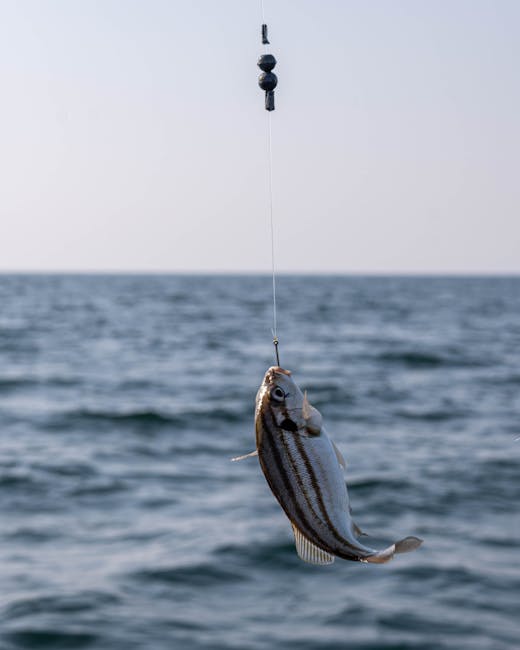
Before heading out, it’s vital to know which species you can expect to encounter. Sunderland’s coastal waters are home to various fish, including cod, whiting, mackerel, and flatfish. Each species may require different bait and techniques, so understanding their habits will allow you to tailor your approach accordingly.
Selecting the Right Rod and Reel
Choosing the right rod and reel is crucial for effective sea fishing. A medium to heavy rod is typically recommended for offshore fishing due to the strength required to handle larger species. Look for a rod that is around 10 to 12 feet long, as this length offers good casting distance while maintaining sensitivity for bites.
When it comes to reels, a spinning reel is often preferred for its versatility. Ensure that the reel has a solid drag system to withstand the fight when you hook a fish. A quality reel with a smooth retrieve will make your fishing experience much more enjoyable.
Choosing the Best Sea Fishing Line Bait
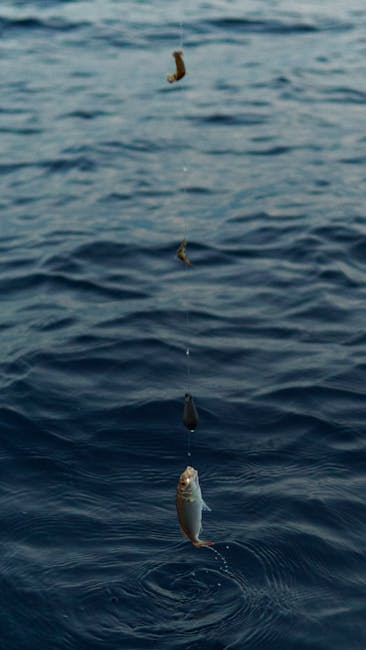
The type of bait you use is one of the most significant factors in successful fishing. Natural baits such as ragworm, lugworm, and squid are commonly used along the Sunderland coast and can attract various species.
When fishing for cod, fresh mackerel or sprats can be highly effective. For whiting, using smaller baits like ragworm or peeler crab can yield good results. Always ensure your bait is fresh, as this greatly increases its appeal to fish.
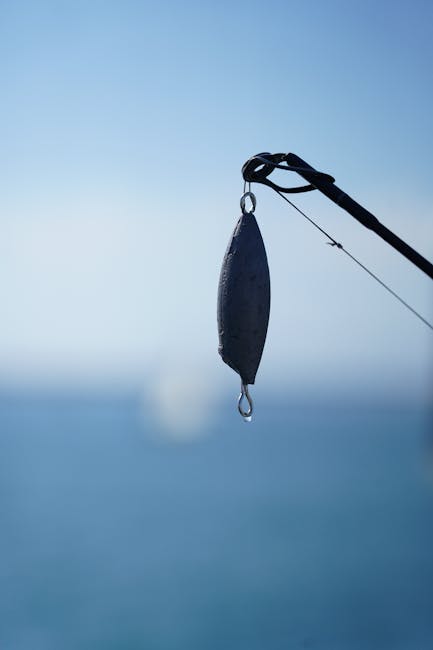
If you’re looking to incorporate artificial lures, consider using soft plastics or metal jigs. These can mimic the movement of baitfish and can provoke strikes from predatory species.
Effective Casting Techniques
Once you have your rod, reel, and bait sorted, mastering your casting technique is essential. A proper cast not only helps you reach deeper waters but also places your bait where the fish are more likely to be found.
Start with a sidearm cast, which allows for more control and distance. Ensure your line is free of tangles, and hold the rod at a 45-degree angle before releasing. Timing is crucial; release the line just as the rod reaches its highest point in the back swing. Practising this technique will improve your distance and accuracy over time.
Understanding Tides and Weather Conditions
Tide patterns and weather conditions play a significant role in sea fishing. Fish are more active during specific tidal movements, particularly during the rising and falling tides. Research local tide times and plan your fishing trips accordingly.
Additionally, pay attention to weather conditions. Overcast days can often yield better results, as fish are more likely to venture closer to the surface when the sunlight is not as strong. Wind direction can also affect your fishing; a gentle breeze can help create ripples on the water, which can be beneficial for attracting fish.
Staying Patient and Observant
Patience is a virtue in sea fishing. It may take time to get a bite, so it’s essential to remain calm and observant. Watch for signs of fish activity, such as surface disturbances or diving birds, which can indicate schools of fish below.
Engage in regular checks of your bait to ensure it remains appealing. If you’re not getting bites after a considerable time, consider changing your bait or trying a different location along the coast.
Respecting the Environment
As responsible anglers, it’s vital to respect the marine environment. Follow local regulations regarding fishing seasons and size limits to ensure sustainable fishing practices. Always clean up after your fishing trips and dispose of any waste properly.
If you catch fish that you do not intend to keep, handle them gently and return them to the water as quickly as possible to increase their chances of survival.
Final Thoughts on Sea Fishing Off Sunderland Coast
Fishing off the Sunderland coast can be a rewarding experience for both novice and seasoned anglers. By selecting the right gear, understanding local fish species, and using effective techniques, you can enhance your chances of a successful outing. Remember to keep learning and adapting your strategies, as sea fishing often involves trial and error.
Whether you are casting from the shore or venturing out on a boat, the thrill of the catch is always worth the effort. So grab your rod, select your sea fishing line bait, and prepare for an exciting day on the water!
About the Author