Photo by Alimurat Üral via Pexels
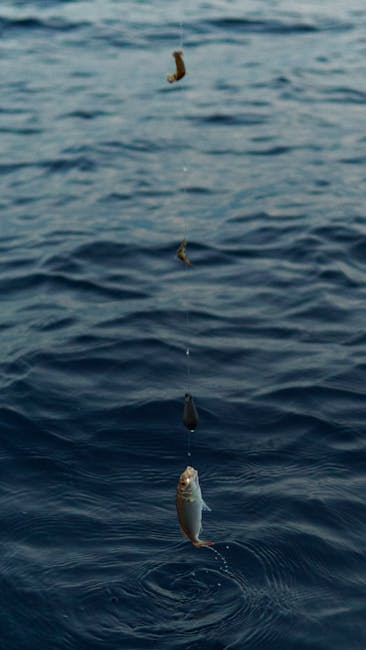
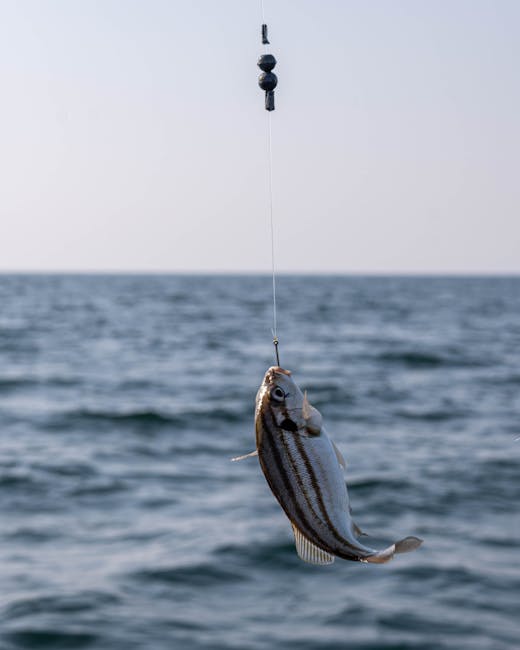
Sunderland’s coastline offers a rich tapestry of marine life, making it a prime location for sea fishing enthusiasts. Whether you are an experienced angler or a beginner, understanding the right techniques and equipment is essential for a successful fishing trip. One of the most critical aspects of sea fishing is the choice of line and bait, as these can significantly influence your catch. In this blog post, we will explore the best rod tips and effective sea fishing line bait options you can use to enhance your fishing experience off the Sunderland coast.
Choosing the Right Rod for Sea Fishing
The choice of rod is paramount for successful sea fishing. With the varied conditions along the Sunderland coast, anglers can benefit from tailored rod selection based on their fishing style and target species.
Length and Power
When selecting a fishing rod, consider the length and power that best suit your needs. A rod between 10 to 12 feet is ideal for shore fishing, providing the necessary leverage to cast your line further into the water. For rocky areas or when fishing from a boat, a shorter rod may offer better control. The rod’s power, measured in terms of its ability to handle weight, should correspond to the species you are targeting. A medium to heavy action rod is typically preferred for larger species such as cod or bass.
Material Matters
Fishing rods are commonly made from either fibreglass or graphite. Fibreglass rods are generally more durable and flexible, making them suitable for beginners or those fishing in rough conditions. Graphite rods are lighter and more sensitive, allowing for better feedback when a fish bites. As a more experienced angler, you may prefer a graphite rod for its responsiveness and precision.
Understanding Sea Fishing Line
The fishing line is a fundamental component of your setup. Selecting the appropriate line type and strength can make all the difference in your fishing success.
Types of Fishing Line
There are three primary types of fishing line: monofilament, braided, and fluorocarbon.
– **Monofilament Line**: This is the most commonly used line for sea fishing due to its versatility and ease of use. It has good stretch, which can absorb shocks from fish, reducing the risk of breakage.
– **Braided Line**: Known for its strength and thin diameter, braided line is excellent for deep-sea fishing where larger fish are targeted. It has little to no stretch, offering increased sensitivity and control.
– **Fluorocarbon Line**: This line is virtually invisible underwater, making it an effective choice when targeting skittish species. While it is more expensive, its low visibility can lead to better catch rates.
Line Strength
The line’s breaking strength is another critical factor. For sea fishing off the Sunderland coast, a line test of 15 to 30 pounds is generally sufficient for most species. However, if you are targeting larger fish, consider using a stronger line. Always ensure your line is properly spooled and free from tangles to avoid losing your catch.
Choosing the Right Bait for Sea Fishing
Selecting the right bait can be the decisive factor in attracting fish. Understanding the local species and their feeding habits will help you choose the best sea fishing line bait.
Natural Baits
Natural baits are often the most effective choice for sea fishing. Common options include:
– **Mackerel**: This oily fish is a great bait for larger species like cod and bass. You can use it whole or cut it into chunks.
– **Lugworm**: A popular choice for shore fishing, lugworms are highly effective for catching flatfish and other species.
– **Squid**: Easily accessible and highly attractive to various fish, squid can be used whole or cut into strips.
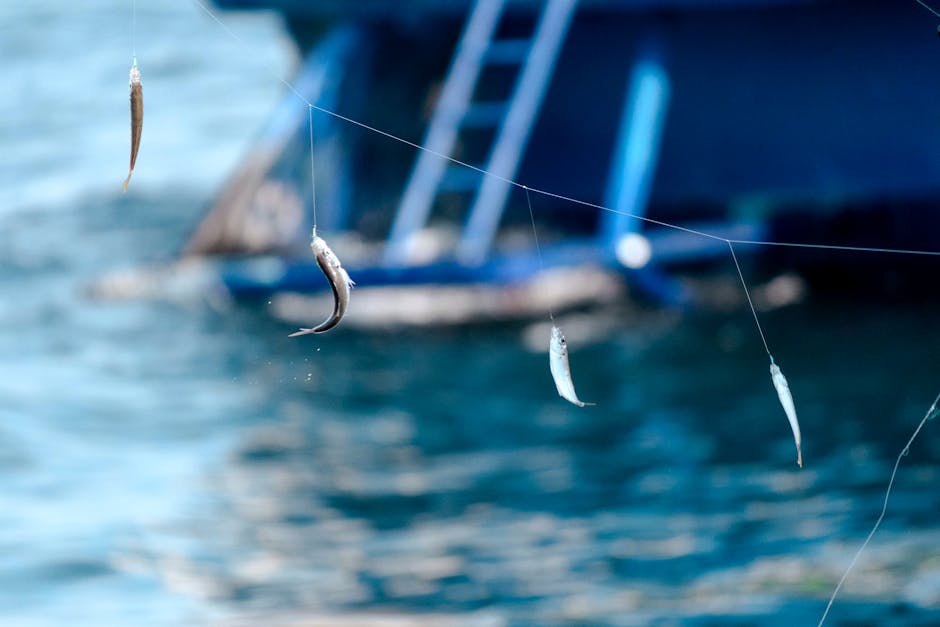
– **Sandeels**: These small fish are a favourite among predatory species. They can be fished live or used as dead bait.
Artificial Baits
Artificial lures can also be effective, particularly when targeting aggressive species. Lures mimic the movement of prey and can entice fish to bite. Popular choices include:
– **Jigs**: These are versatile and can be used at various depths. They are particularly effective for species like pollock and cod.
– **Soft Plastics**: These can imitate a variety of baitfish and are often used for bass fishing. Their realistic movement in the water can attract fish.
Techniques for Successful Sea Fishing
Once you have your rod, line, and bait ready, implementing the right techniques can enhance your fishing experience.
Casting Techniques
Practising your casting technique is essential, especially when fishing from the shore. Aim for a smooth, fluid motion, and focus on accuracy rather than distance. A good cast places your bait in the zone where fish are likely to be feeding.
Retrieval Methods
The retrieval method can also influence your success. Experiment with different speeds and patterns to see what attracts fish. A slow, steady retrieve often works well, while a jerky motion can simulate a struggling prey.
Local Regulations and Best Practices
Before heading out, it’s essential to familiarise yourself with local fishing regulations. Some areas may have restrictions on specific species, catch limits, or fishing seasons. Always practice sustainable fishing methods by adhering to these regulations and ensuring that you respect the marine environment.
In summary, sea fishing off the Sunderland coast can be a rewarding experience with the right rod, line, and bait techniques. By choosing suitable equipment and understanding local species, you can maximise your chances of a successful catch. Whether you are casting from the shore or venturing further out, the thrill of sea fishing awaits you.
About the Author