Photo by Dilara via Pexels
Sea fishing off the Sunderland coast is a thrilling experience that attracts both novice anglers and seasoned professionals. The rich waters of the North East provide a diverse range of fish species, making it an ideal spot for a day out on the sea. However, to maximise your chances of a successful catch, understanding the best practices regarding sea fishing line bait and rod techniques is essential. In this post, we will explore effective rod tips and the best bait to use for a productive day of fishing.
Choosing the Right Rod and Reel
When embarking on a sea fishing adventure, selecting the right rod and reel is crucial. The strength and sensitivity of your fishing gear play a significant role in successfully landing fish. Generally, a medium to heavy-action rod is recommended for sea fishing, as it provides the necessary backbone to handle larger species such as cod, whiting, and bass.
A good quality reel with a strong drag system is equally important. Look for reels that can handle saltwater conditions; they should have corrosion-resistant materials to withstand the harsh environment. A reel with a line capacity of at least 200 yards is advisable, as you may need to cast far to reach feeding fish.
Understanding Sea Fishing Line Bait
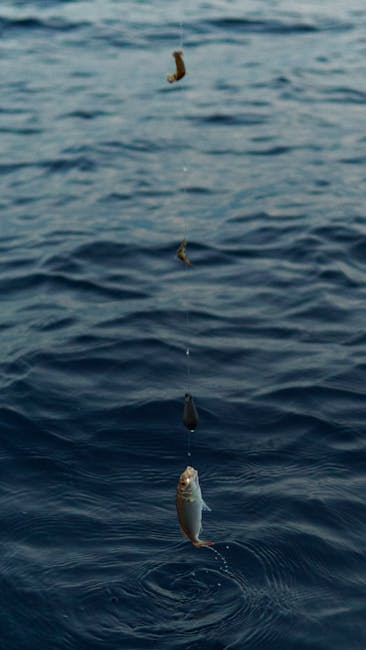
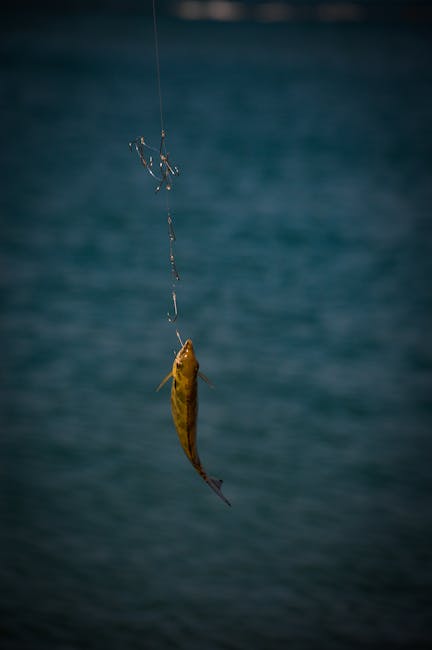
The choice of bait can make or break your fishing experience. Sea fishing line bait should be chosen based on the target species and the specific conditions of the day. Live bait, such as ragworms or lugworms, is often highly effective, particularly for species like flatfish and cod. Alternatively, using dead bait, such as mackerel or herring, can attract larger predatory fish.
For those looking to use artificial lures, soft plastics and metal jigs can also be effective. These can mimic the movement of fish and are particularly useful when targeting species like pollock or mackerel. Always keep in mind that local regulations may dictate what bait can be used, so it’s advisable to check ahead of time.
Optimal Fishing Techniques
Once you have your rod, reel, and bait ready, understanding the best techniques for sea fishing off Sunderland is essential. One popular method is shore fishing, where anglers cast from the beach or a pier. When fishing from the shore, it’s important to consider the tide. Many anglers find that fishing two hours before high tide and two hours after can yield the best results.
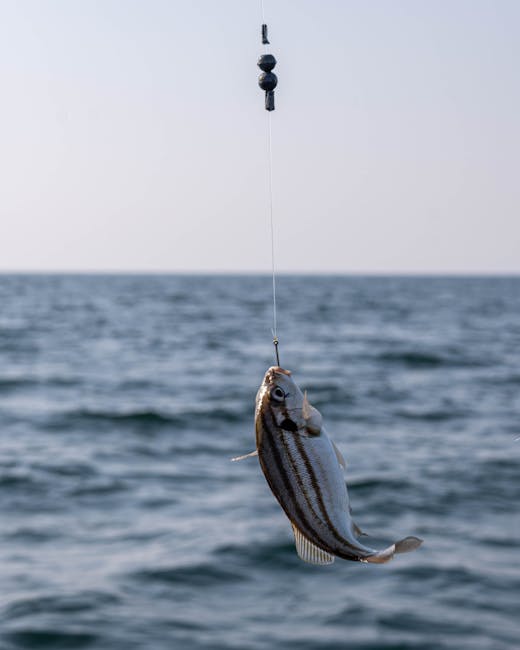
Alternatively, boat fishing offers a different experience entirely. If you have access to a boat, you can reach deeper waters where fish tend to be more abundant. When boat fishing, consider using a heavier sinker to ensure your bait reaches the desired depth. Drift fishing is also a popular technique in these waters, as it allows your bait to move naturally with the current, attracting more fish.
Timing and Weather Conditions
The timing of your fishing trip can significantly influence your success. Many experienced anglers suggest that early mornings or late evenings are prime times for fishing, as fish tend to be more active during these hours. Additionally, overcast days can also provide excellent fishing opportunities, as fish are generally less cautious when the sunlight is dim.
Weather conditions play a vital role in sea fishing. Windy days can create rough waters, making it challenging to fish effectively. On the other hand, calm days are more suitable for fishing from a boat or the shore. Always check the local weather forecast before heading out, and be prepared to adjust your plans accordingly.
Local Knowledge and Regulations
Fishing off the Sunderland coast offers unique opportunities, but it is essential to be aware of local regulations and guidelines. Different areas may have specific rules regarding fishing seasons, size limits, and catch quotas. It’s advisable to consult the local fisheries authority for up-to-date information on regulations.
Additionally, engaging with local fishing communities can provide invaluable insights into the best spots and techniques. Local tackle shops often have knowledgeable staff who can recommend the best bait and gear based on recent catches. Networking with fellow anglers can enhance your experience and improve your fishing skills.
Safety Considerations
As with any outdoor activity, safety should always be a priority. If you plan to fish from a boat, ensure that you have the necessary safety equipment, including life jackets and emergency flares. Additionally, be aware of the tides and currents, as they can change rapidly and pose risks to your safety.
When fishing from the shore, keep an eye on the weather and sea conditions. If conditions worsen, it may be wise to pack up and head back to safety. Always let someone know your plans and expected return time, especially if you’re fishing alone.
By following these tips and understanding the nuances of sea fishing line bait, you can enhance your experience off the Sunderland coast. With the right preparation and knowledge, you are well on your way to a successful fishing trip. Happy fishing!
About the Author