Photo by Dilara via Pexels
Sea fishing off the Sunderland coast is a thrilling experience that offers a remarkable opportunity to catch a variety of fish. As you prepare for your fishing adventure, understanding the right techniques and equipment, particularly when it comes to sea fishing line bait, is essential for a successful day on the water. In this guide, we will explore some of the best practices and tips to enhance your sea fishing experience along this picturesque coastline.
Understanding the Sunderland Coastline
Sunderland’s coastline is renowned for its rich biodiversity and stunning scenery. From the bustling harbour to the serene beaches and rocky outcrops, each fishing spot presents unique opportunities and challenges. Knowing the local environment helps anglers choose the right gear and bait to attract their target species.
Choosing the Right Rod and Reel
The first step in preparing for sea fishing is selecting the appropriate rod and reel. The type of fishing you plan to do will largely dictate your choices. For instance, if you’re targeting larger species such as cod or pollock, a heavier rod with a strong backbone is recommended. Conversely, for smaller fish like mackerel, a lighter rod will suffice.
When selecting a reel, consider a robust spinning or overhead reel that can handle the rough conditions often encountered at sea. Ensure that your reel has a smooth drag system, as this is crucial when battling larger fish.
Understanding Sea Fishing Line Bait
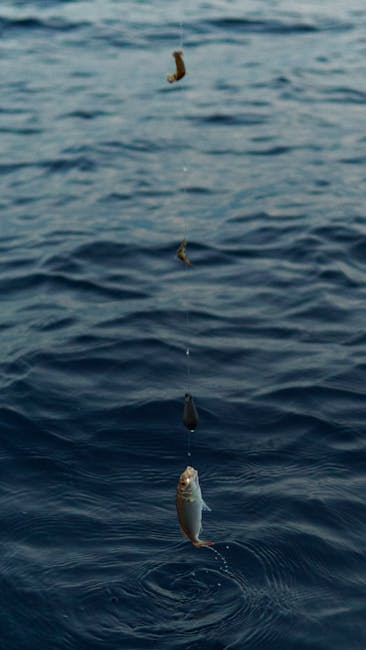
One of the most critical aspects of sea fishing is the bait you choose. Sea fishing line bait plays a vital role in attracting fish. Common options include live bait such as ragworms and lugworms, as well as cut bait like mackerel or sandeels. Each type of bait has its unique advantages depending on the species you are targeting.
For example, using live bait, particularly during the warmer months, can significantly increase your chances of catching predatory fish. Alternatively, artificial lures can also be effective, especially when mimicking the movement of local prey. Experimenting with different baits can help you determine what works best for your fishing location.
Setting Up Your Rig
Setting up your rig correctly is crucial for effective fishing. A simple running ledger rig is ideal for most sea fishing conditions. This rig allows for the bait to move naturally with the current, making it more appealing to fish.
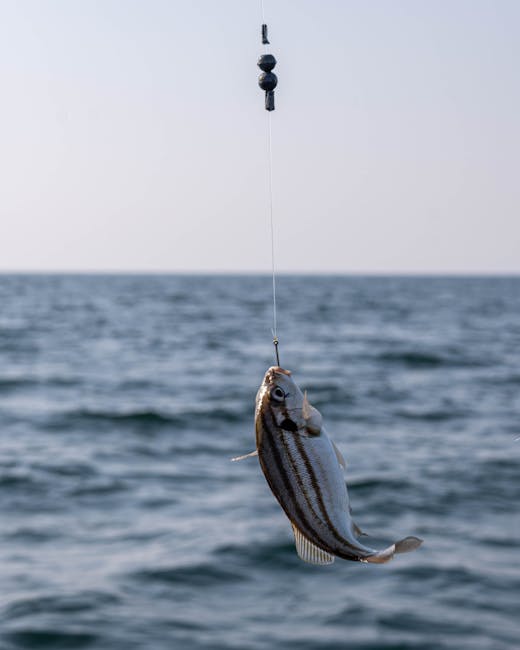
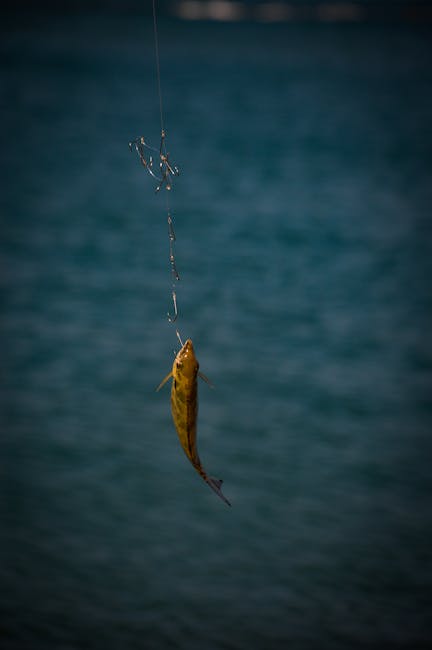
To set up this rig, thread your line through a weight, followed by a bead to protect your knot, then attach a swivel. From the swivel, tie a length of leader line, which will hold your hook and bait. The size of the hook should correspond to the bait being used; larger baits require larger hooks.
Perfecting Your Casting Technique
Once your rig is set up, the next step is mastering your casting technique. A long, accurate cast will help you reach deeper waters where larger fish often reside. Practice a smooth motion, ensuring not to rush the cast, as control is key. Aim for a spot where you believe fish are likely to congregate, such as near rocks or around structures.
Keep in mind that tides and currents can affect where fish are located, so being aware of these conditions can enhance your strategy. During the ebbing tide, fish are often found closer to shore, while the flooding tide can push them into deeper waters.
Timing Your Fishing Trip
Timing can significantly influence your success in sea fishing. Early morning and late evening are often considered the best times to fish, as many species feed during these periods. Additionally, fishing during specific tidal phases can yield better results. The first hour of the incoming tide is particularly productive, as fish move in with the tide in search of food.
Safety and Environmental Considerations
When fishing off the Sunderland coast, always prioritise safety. Wear appropriate clothing and gear, as conditions can change rapidly at sea. Additionally, be mindful of local regulations regarding fishing seasons and size limits to ensure sustainable practices that protect local fish populations.
Respect the environment by taking all rubbish with you and avoiding disturbances to local wildlife. Engaging in responsible fishing not only helps preserve the ecosystem but also ensures that future generations can enjoy the sport.
Engaging with the Local Fishing Community
Connecting with other anglers can enrich your fishing experience. Sunderland boasts a vibrant fishing community, with plenty of local shops and clubs offering advice, equipment, and even guided trips. Engaging with experienced fishermen can provide invaluable insights about the best spots, techniques, and bait for the region.
Additionally, participating in local fishing events or competitions can enhance your skills while fostering a sense of camaraderie among fishing enthusiasts.
Embrace the Experience
Ultimately, sea fishing off the Sunderland coast is about more than just catching fish; it’s about enjoying the experience of nature and the thrill of the chase. By understanding the importance of sea fishing line bait, selecting the right equipment, and honing your skills, you can maximise your chances of a successful fishing trip. So pack your gear, head to the coast, and immerse yourself in the joys of sea fishing!
About the Author