Photo by Kafeel Ahmed via Pexels
For anglers keen on experiencing the thrill of sea fishing, the Sunderland coast offers a rich tapestry of opportunities. With its diverse marine life and varying depths, it attracts both novice and seasoned fishers alike. One of the keys to a successful outing is understanding how to use the right sea fishing line bait effectively. This guide will delve into essential tips and techniques that can significantly enhance your fishing experience along this scenic stretch of coastline.
Understanding the Local Ecosystem
Before casting your line, it’s important to appreciate the local ecosystem. The waters off Sunderland are home to various fish species, including cod, whiting, and mackerel. Each species has its own preferred bait, which makes it essential to tailor your approach accordingly. Familiarising yourself with the seasonal behaviour of these fish will give you an advantage in selecting the right bait and fishing techniques.
Selecting the Right Fishing Rod
The choice of fishing rod can greatly influence your success at sea. For fishing off the Sunderland coast, a rod that is sturdy yet flexible is ideal. Consider a medium to heavy spinning rod, typically between 10 to 12 feet in length. This length allows for longer casts, which is particularly beneficial when fishing from the shore or pier.
Choosing the Best Sea Fishing Line
Your fishing line is another critical component of your setup. A strong, abrasion-resistant line will stand up to the challenges posed by rocky seabeds and the powerful runs of larger fish. A line test of 15 to 30 lb is recommended for most sea fishing situations. Braided lines offer excellent sensitivity and strength, making them a popular choice amongst experienced anglers.
Essential Bait Types for Sea Fishing
When it comes to bait, the options are vast. Natural baits such as lugworm, ragworm, and squid are commonly used and tend to attract a variety of species. Alternatively, artificial baits can also be effective, especially in certain conditions. Using a combination of both can sometimes yield the best results. Understanding which sea fishing line bait to use at specific times can make a significant difference in your catch rate.
Effective Bait Presentation Techniques
Once you have selected your bait, the next step is to present it effectively. The way you rig your bait can determine whether or not fish will bite. Here are some effective techniques:
1. Using a Running Ledger Rig
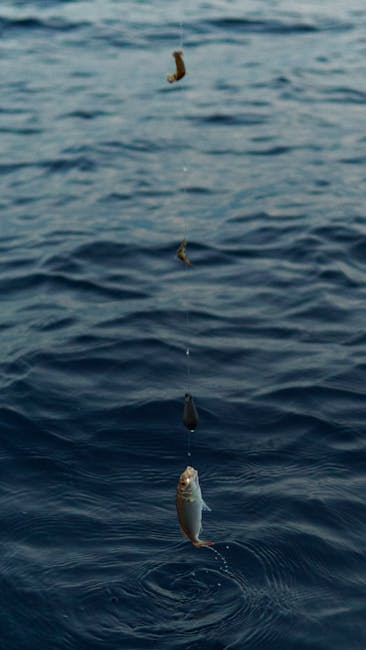
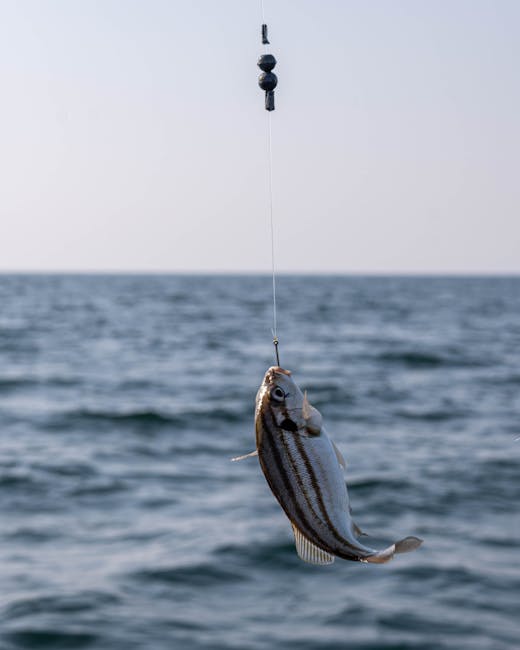
This rig is particularly effective for surf fishing. It allows the fish to take the bait without feeling resistance, which is crucial for successful hook-ups. Simply thread a bead onto your line, followed by a weight, and then tie on a swivel. Attach your hook and bait to the end of the rig. This setup helps to keep the bait near the bottom, where many fish are actively feeding.
2. Employing a Pulley Rig
The pulley rig is another popular choice, especially for targeting larger fish. This rig allows for both distance and control. By using two hooks at different heights, you can increase your chances of catching fish that are feeding at various levels in the water column. This rig can be particularly effective when fishing with larger baits like mackerel or whole squid.
3. Keep it Simple with a Basic Hook and Line
Sometimes, simplicity is key. A basic hook and line setup can be very effective, particularly for beginners. Simply attach your bait to the hook, cast it out, and wait for the bite. This straightforward method can help you understand the basics of sea fishing without the complications of more elaborate rigs.
Timing Your Fishing Trips
Timing can be just as important as technique. Many anglers find that early mornings or late evenings are the most productive times for fishing. Additionally, fishing during a rising tide can also increase your chances of a successful catch. Pay attention to local tide tables and plan your trips accordingly.
Safety and Environmental Considerations
While enjoying your fishing adventures, it is crucial to prioritise safety and environmental stewardship. Always wear appropriate gear, such as life jackets if fishing from a boat, and be mindful of the weather conditions. Respect local wildlife and marine habitats by following regulations and guidelines set by fishing authorities. Additionally, remember to practice catch and release when targeting species that are endangered or protected.
Connecting with the Local Fishing Community
Engaging with local anglers can provide valuable insights into effective fishing techniques and bait preferences. Sunderland has a welcoming fishing community, and many local shops and clubs offer resources and advice for both beginners and experienced fishers. Participating in local fishing events can also enhance your skills and expand your social network.
In summary, sea fishing off the Sunderland coast can be a rewarding experience with the right preparation and knowledge. By understanding the local ecosystem, selecting appropriate gear, and mastering bait presentation techniques, you can significantly improve your chances of a successful outing. Remember to stay safe and enjoy the beauty of the coastline while making the most of your fishing adventures.
About the Author