Photo by Tolga Aksoy via Pexels
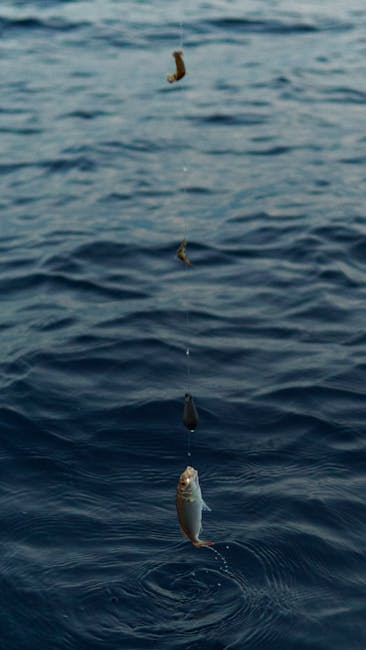
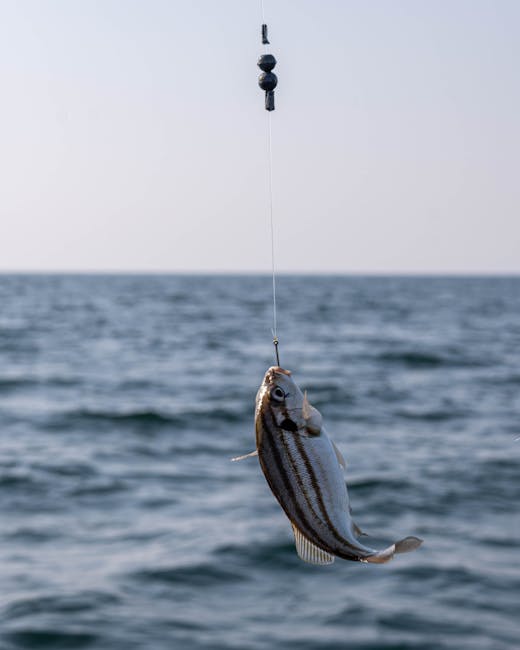
Sunderland, with its rich maritime heritage and diverse marine life, is a prime location for sea fishing enthusiasts. The North East coast offers anglers not only stunning views but also a variety of fish species to target. Whether you are a seasoned pro or a novice looking to dip your toes into the world of sea fishing, understanding the best techniques, especially when it comes to selecting the right sea fishing line bait, can significantly enhance your experience.
The Thrill of Sea Fishing in Sunderland
Fishing off the Sunderland coast provides opportunities to catch various species, including cod, whiting, and flatfish. The availability of these fish can change with the seasons, making it crucial for anglers to adapt their tactics accordingly. Choosing the right bait and fishing line can be the difference between a fruitful day on the water and coming home empty-handed.
Selecting the Right Sea Fishing Line Bait
When it comes to sea fishing, the bait you choose plays a vital role in attracting fish. It is essential to understand the types of bait that work best for the species you are targeting.
Natural Baits
Natural baits, such as lugworm, ragworm, and crab, are often the go-to choice for many anglers. These baits are particularly effective in the local waters and are known to attract a range of species. For example, lugworm is highly regarded for targeting flatfish, while ragworm is excellent for catching species like cod and whiting.
Artificial Baits
Artificial lures and baits can also be a game-changer. They come in various shapes, sizes, and colours, mimicking the movements of prey fish. Soft plastics, jigs, and spoons are popular choices. Many anglers find success using these lures, especially when targeting predatory species such as mackerel or pollock.
Understanding Tackle and Rod Selection
Choosing the right rod and tackle is paramount for a successful fishing trip. The type of rod you select will depend on the fishing method you plan to use, such as shore fishing, boat fishing, or pier fishing.
Choosing the Right Rod
For shore fishing, a longer rod, typically between 10 to 13 feet, provides better casting distance, allowing you to reach deeper waters. Conversely, shorter rods may be more manageable for beginners.
Reel Selection
Pairing your rod with the right reel is equally important. Spinning reels are commonly used for sea fishing due to their versatility and ease of use. Ensure that your reel has a good drag system to handle the potential weight of larger fish.
Line Types and Strength
The type of fishing line you use can greatly impact your success. Monofilament, braided, and fluorocarbon lines all have their advantages.
Monofilament Line
Monofilament lines are popular among beginners due to their ease of handling and good knot strength. They provide some stretch, which can be beneficial when fighting a fish.
Braided Line
Braided lines are known for their strength and sensitivity, making them ideal for targeting larger species. They have minimal stretch, allowing for better hook sets. However, they can be more challenging to handle for novice anglers.
Fluorocarbon Line
Fluorocarbon lines are virtually invisible underwater, making them an excellent choice for clear waters. They are also more resistant to abrasion, which is beneficial when fishing around rocky structures.
Fishing Techniques for Success
Once you have your bait, rod, and line selected, it’s time to discuss fishing techniques. Understanding how to present your bait can significantly improve your catch rates.
Bottom Fishing
Bottom fishing is a common technique in sea fishing, especially for species like cod or flatfish. By using a heavier weight, you can ensure that your bait reaches the seabed where these fish often reside.
Float Fishing
Float fishing allows you to present your bait at various depths. This technique can be particularly effective in areas with varying underwater structures. Adjust your float to find the right depth where fish are actively feeding.
Drifting
Drifting is another effective method, especially when boat fishing. By allowing your bait to move naturally with the current, you can mimic the behaviour of prey, making it more appealing to predatory fish.
Local Regulations and Best Practices
Before heading out, it’s essential to be aware of local fishing regulations. The UK has specific rules regarding sizes, seasons, and protected species. Always check the latest guidelines to ensure sustainable fishing practices.
Preparing for Your Sea Fishing Adventure
Successful sea fishing requires preparation. Here are a few tips to ensure you are ready for your outing:
– **Check the Weather:** Always be mindful of weather conditions before heading out. Wind and tide patterns can affect fishing success.
– **Bring the Right Gear:** Ensure you have all necessary equipment, including spare tackle, a first aid kit, and refreshments.
– **Know Your Spot:** Research local fishing spots. Engaging with local fishing communities can provide invaluable insights.
By following these tips and adapting your techniques, you can enhance your sea fishing experience off the Sunderland coast. The right sea fishing line bait, coupled with the knowledge of local waters and regulations, will set you on the path to a successful fishing adventure. Happy fishing!
We recently covered this in Essential Rod Tips for Sea Fishing off the Sunderland Coast.
About the Author