Photo by Kafeel Ahmed via Pexels
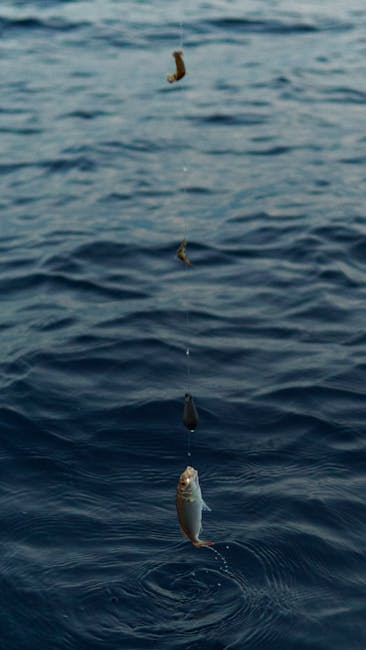
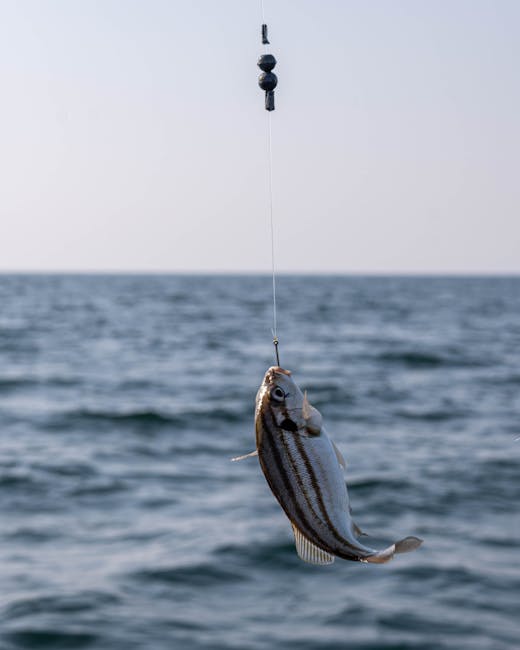
Fishing enthusiasts flock to the Sunderland coast for its rich marine life and scenic views. With the right gear and knowledge, you can optimise your chances of a successful catch. This guide focuses on essential tips for choosing the best rod and bait, with particular emphasis on sea fishing line bait options that can attract a variety of fish species.
Understanding the Local Marine Environment
The Sunderland coastline is a diverse habitat, home to an array of fish including cod, whiting, flatfish, and mackerel. Understanding the local marine environment is crucial for selecting the right equipment and bait. Factors such as tidal patterns, weather conditions, and the time of year can significantly affect fish behaviour and feeding habits.
During the summer months, for instance, you may find mackerel more abundant, while winter often brings larger species like cod closer to shore. Observing these patterns will help you determine the best times to fish and the most effective bait to use.
Choosing the Right Rod and Reel Combination
Your choice of rod plays a vital role in your fishing success. When fishing off the Sunderland coast, consider the following factors:
Rod Length and Action
For sea fishing, a longer rod—between 10 to 13 feet—is generally recommended. This length allows for better casting distance, which is particularly beneficial when targeting species that may be further from the shore. The action of your rod, whether it be fast, medium, or slow, should complement the type of fishing you plan to do. A medium action rod offers versatility, making it suitable for various species.
Reel Selection
Your reel should match the rod in terms of strength and size. A fixed spool reel is often preferred for sea fishing, as it allows for smooth line retrieval and is effective for both bait and lure fishing. Look for a reel with a high line capacity, especially if you’re targeting larger species that can make long runs.
Understanding Sea Fishing Line Bait
When it comes to bait, the choice can greatly influence your success rate. Sea fishing line bait is crucial for attracting the right species. Here are some popular options:
Natural Baits
Natural baits such as ragworm, lugworm, and sand eels are often favoured for their effectiveness in attracting local fish. These baits mimic the natural diet of fish, making them a reliable choice. When using natural baits, it’s essential to keep them fresh and properly stored to maintain their appeal.
Artificial Baits
In addition to natural options, artificial baits like lures can also yield excellent results. Lures such as soft plastics or metal jigs can be particularly effective for species like mackerel. The key is to choose lures that reflect the natural movement of prey in the water. Experimenting with different colours and sizes can help you find what works best on the day.
Bait Presentation Techniques
How you present your bait can be just as important as the bait itself. Here are some techniques to enhance your fishing experience:
Bottom Fishing
For species that feed near the seabed, bottom fishing is a common technique. Use a simple rig with a weight to keep your bait at the desired depth. Ensure your bait is securely attached to avoid losing it to nibbling fish.
Float Fishing
Float fishing is another effective method, particularly for catching species like whiting. By using a float rig, you can keep your bait suspended above the seabed, allowing it to attract fish without getting snagged on the bottom.
Timing and Location
Knowing when and where to fish can significantly impact your success. Early mornings and late evenings are often the best times to cast your line, as fish are generally more active during these periods. Additionally, certain locations along the Sunderland coast may be more fruitful than others, particularly areas with rocky outcrops or reefs where fish are likely to gather.
Essential Gear and Accessories
Alongside your rod and reel, certain accessories can enhance your fishing experience:
Landing Net
A landing net is essential for safely bringing your catch ashore. Choose a net with a wide opening to easily accommodate various fish sizes.
Fishing Tackle Box
A well-organised tackle box will help keep your hooks, weights, and other accessories in order. Ensure you have a variety of hooks and weights to adapt to changing conditions.
Safety Gear
Always prioritise safety by wearing appropriate clothing and having necessary safety equipment, such as a life jacket if fishing from a boat or pier. Being prepared for changes in weather is also crucial.
Fishing off the Sunderland coast can be a rewarding experience if you approach it with the right knowledge and equipment. By understanding the local marine environment, selecting the appropriate rod and bait, and employing effective techniques, you can increase your chances of landing a great catch. Remember, patience is key, and every fishing trip offers an opportunity to learn something new.
About the Author