Photo by Kafeel Ahmed via Pexels
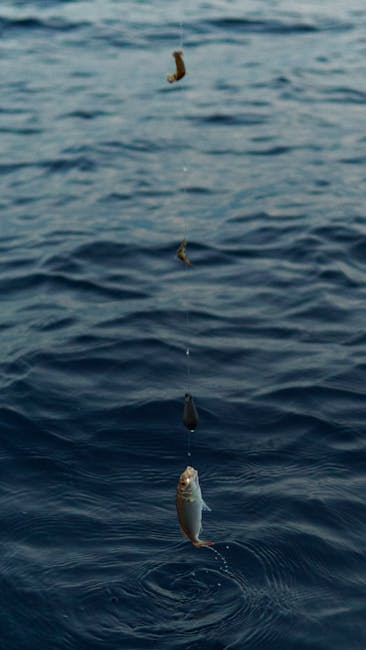
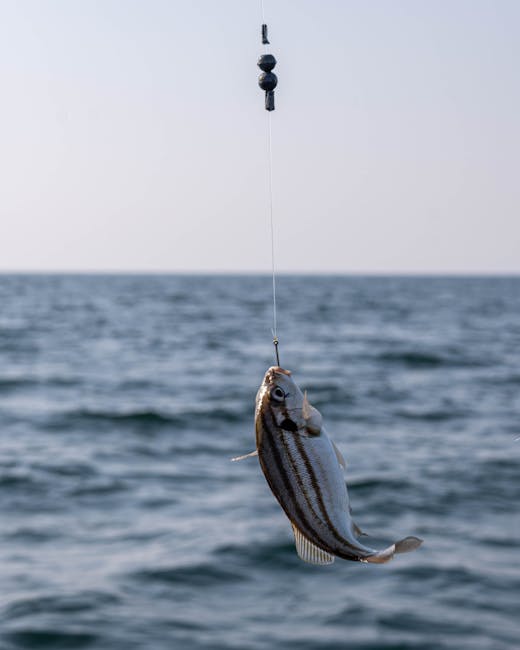
Sunderland, with its rugged coastline and rich marine life, is a prime location for sea fishing enthusiasts. Whether you’re a seasoned angler or a novice looking to cast your first line, understanding the best practices for sea fishing can significantly enhance your experience. One crucial aspect to consider is the type of sea fishing line bait you choose. In this article, we’ll explore effective bait options and provide tips to improve your chances of a successful catch.
Understanding the Sunderland Coastline
The Sunderland coastline offers a diverse range of environments, from rocky outcrops to sandy beaches. These areas host various fish species, including cod, whiting, mackerel, and flatfish. The key to successful fishing lies in adapting your bait to the specific conditions and the types of fish you are aiming to catch.
Choosing the Right Sea Fishing Line Bait
Selecting the best bait is fundamental to your fishing success. Different fish species are attracted to different types of bait, and understanding these preferences can make all the difference.
Natural Bait
Natural baits are often the most effective choice for sea fishing. They include:
– **Worms**: Lugworms and ragworms are particularly effective for attracting flatfish and cod. Their natural scent and movement in the water can draw in fish from a distance.
– **Shellfish**: Cockles, mussels, and crabs are excellent for catching larger species. They can be used whole or cut into smaller pieces to entice fish.
– **Fish Baits**: Strips of mackerel or herring can be very effective for targeting predatory fish like cod. The oily nature of these fish makes them irresistible to many species.
Natural baits not only mimic the fish’s natural diet but also produce scents that can lure fish to your line.
Artificial Bait
While natural bait is often favoured, artificial baits can also be beneficial, especially in certain conditions. Lures, such as soft plastics or metal jigs, can be used to create movement that mimics the actions of prey. These can be particularly effective when fishing for species like mackerel, which are often attracted to shiny, fast-moving objects.
When selecting artificial bait, consider the water clarity and light conditions. Brighter lures work well in murky waters, while more natural colours can be effective in clear conditions.
Matching Your Bait with Fishing Tackle
The effectiveness of your bait is also influenced by the fishing tackle you use. Ensuring that your rod, reel, and line are compatible with the type of bait can improve your chances of success.
Choosing the Right Rod and Reel
For sea fishing off the Sunderland coast, a medium to heavy action rod is recommended. This will provide the strength needed to handle larger species. Pair your rod with a reliable reel that has a suitable line capacity and drag system. A good quality reel will help you manage the fight when you hook a fish.
Line Selection
When it comes to fishing line, choose a strong, abrasion-resistant option, especially if you are fishing near rocky areas. A braided line can offer increased sensitivity and strength, but a monofilament line may be more forgiving and easier to handle for beginners.
Make sure to match your line strength to the size of the fish you are targeting. For example, a 15-20 lb line is suitable for general sea fishing, while heavier lines may be needed for larger species.
Timing and Location
Understanding when and where to fish is just as important as the bait you choose. The Sunderland coast can produce different results depending on the tides and time of day.
Best Times to Fish
Early mornings and late evenings are often the best times for fishing, as many species are more active during these periods. Additionally, fishing during the tide changes can increase your chances of a good catch, as fish tend to be more mobile and feed actively.
Finding the Right Spot
Explore various locations along the coast, including piers, rock formations, and sandy beaches. Each area can offer different species and fishing experiences. Local fishing reports can be a valuable resource for identifying the best spots and current conditions.
Preparing Your Bait
How you prepare your bait can influence your fishing success. For natural baits, freshness is key. Always ensure your bait is as fresh as possible to maximise its effectiveness. If using shellfish, ensure they are alive and vigorous.
For artificial baits, experiment with different retrieval techniques. A slow and steady retrieve may work well for some species, while others may require a fast, erratic action to provoke a strike.
Final Thoughts
Sea fishing off the Sunderland coast can be a rewarding experience, especially when you equip yourself with the right knowledge about sea fishing line bait and tackle. With the right bait, appropriate tackle, and an understanding of local conditions, you can significantly improve your chances of reeling in a memorable catch. Remember to respect local regulations and the marine environment as you enjoy your fishing adventures.
For more detailed insights into fishing regulations and species information, consider visiting the official UK fishing website, which offers valuable resources for anglers of all experience levels.
About the Author