Photo by Dilara via Pexels
Sunderland’s coastline is a treasure trove for sea fishing enthusiasts. With its diverse marine life and varied fishing spots, it offers a unique experience that attracts both novice and seasoned anglers. To make the most of your time on the water, it’s essential to understand the best practices for selecting your gear and bait. One crucial element to consider is your choice of sea fishing line bait, which can significantly impact your catch rate.
Understanding the Local Marine Life
Before you embark on your fishing adventure, it’s vital to familiarise yourself with the types of fish you are likely to encounter along the Sunderland coast. The waters are home to species such as cod, whiting, mackerel, and flatfish. Each type has its own feeding habits and preferences when it comes to bait, making it important to tailor your approach accordingly.
Choosing the Right Fishing Rod
When it comes to sea fishing, your rod is your primary tool. For those fishing off Sunderland, a medium to heavy spinning or beach casting rod is typically recommended.
– **Length**: A rod between 10 to 13 feet offers the leverage needed to cast over waves and reach deeper waters.
– **Power**: Look for a rod rated for 12-30lb line weight, which will provide the strength necessary to handle larger species.
– **Action**: A fast action rod allows for quicker hook sets, which is crucial when fishing for species like mackerel that can be quick to bite.
Selecting the Right Sea Fishing Line
The fishing line you choose can make a significant difference in your overall experience and success rate. There are two main types of lines to consider: monofilament and braided lines.
– **Monofilament Line**: This is a popular choice for beginners due to its ease of use and versatility. It has good stretch, which can help absorb shocks when fighting a fish. For sea fishing off Sunderland, a 15-20lb test is generally suitable.
– **Braided Line**: For those looking for a stronger and thinner option, braided line is the way to go. It offers increased sensitivity and casting distance but lacks stretch, making it more challenging for beginners.
When selecting your line, consider the depth and structure of the fishing area. If you’re fishing near rocks or reefs, a tougher line will be necessary to avoid breakage.
Optimal Sea Fishing Line Bait
Your choice of bait can be the deciding factor in whether you return with a haul or an empty cooler. Here are some popular bait options that work well off the Sunderland coast:
– **Lugworm**: One of the most effective natural baits, lugworms are perfect for attracting flatfish and cod. They can be collected from local beaches or purchased from tackle shops.
– **Ragworm**: Another excellent choice, ragworms are highly attractive to various species and can be fished on a simple rig.
– **Mackerel Strips**: For those targeting predatory fish like bass, using fresh mackerel strips as bait can yield impressive results.
– **Shellfish**: Cockles and mussels can also be effective, especially for species such as whiting and flatfish.
When preparing your bait, ensure it is presented well on the hook. A well-presented bait will mimic natural movement in the water, making it more appealing to fish.
Rigging for Success
The rig you use can also affect your catch rate. For sea fishing off Sunderland, consider these common rig types:
– **Running Ledger Rig**: Ideal for bottom fishing, this rig allows your bait to move freely along the seabed, making it more enticing to fish.
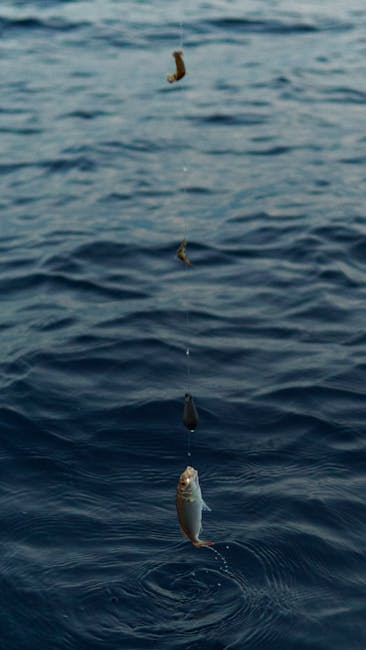
– **Paternoster Rig**: This rig features multiple hooks at different heights, allowing you to fish at varying depths. It’s particularly effective when targeting species like mackerel.
– **Fish Finder Rig**: This is a versatile option that works well in various conditions. It allows the fish to take the bait without feeling resistance until it’s hooked.
Timing Your Fishing Trip
Timing can be just as critical as your choice of bait and rigs. Tide patterns significantly affect fish behaviour, with many anglers finding success during rising tides. Early mornings and late evenings are typically the best times to fish, as many species are more active during these hours.
Additionally, pay attention to weather conditions. Overcast days can often lead to better fishing, as fish tend to be more active and less wary.
Respecting the Environment
As a responsible angler, it’s essential to respect the marine environment. Follow local regulations regarding catch limits and sizes, and always practice catch and release when necessary. Keeping the waters clean and reducing your ecological footprint ensures that future generations can also enjoy the beauty of sea fishing off Sunderland.
By understanding the nuances of sea fishing line bait, selecting the right gear, and respecting the local ecology, you can enhance your fishing experience along Sunderland’s stunning coastline. Whether you’re a novice or an experienced angler, there’s always something new to learn and explore in this beautiful part of the UK.
About the Author