Photo by Kafeel Ahmed via Pexels
Sea fishing off the Sunderland coast offers anglers a diverse range of experiences, from tranquil sessions on the shore to thrilling battles with larger species out at sea. To maximise your success, understanding the right equipment and bait is critical. This guide focuses on essential tips for choosing the best rod and the types of sea fishing line bait that can enhance your catch rate.
Choosing the Right Rod for Sea Fishing
When it comes to sea fishing, selecting the right rod is fundamental to your overall success. The rod you choose will depend on several factors, including the type of fish you’re targeting, the fishing method you prefer, and the conditions you’ll be fishing in.
Length and Power
The length of your rod plays a significant role in your fishing experience. For shore fishing, a rod between 10 to 13 feet is ideal as it allows for better casting distance and control. If you’re fishing from a boat, shorter rods (around 6 to 9 feet) provide more manoeuvrability. Additionally, consider the rod’s power; heavier rods are better suited for larger fish, while lighter rods can be effective for smaller species.
Action of the Rod
Rod action refers to how much of the rod bends when pressure is applied. Fast action rods bend primarily at the tip, providing quick response and sensitivity, making them excellent for feeling bites. Conversely, slow action rods bend more throughout their length, offering more power for fighting big fish. For sea fishing, a medium to fast action rod is often recommended, as it strikes a balance between sensitivity and strength.
Understanding Sea Fishing Line Bait
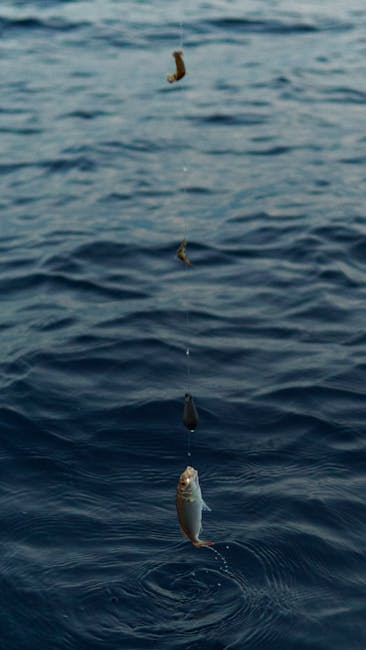
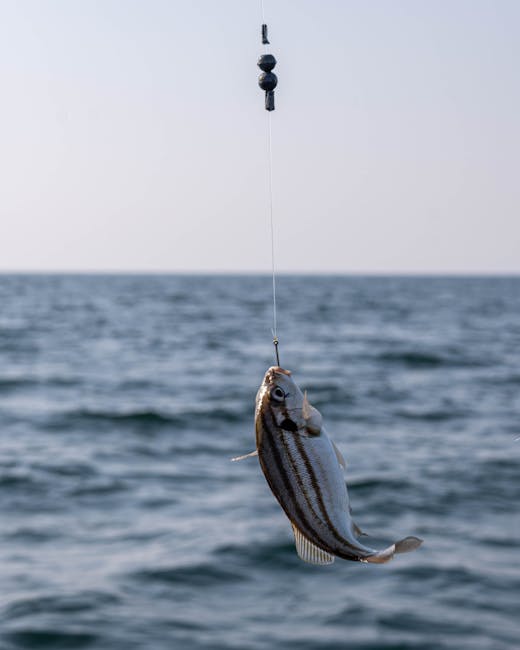
The type of bait you use can make or break your fishing trip. Sea fishing line bait needs to be both appealing and suitable for the species you aim to catch. Natural baits, such as fresh fish, shellfish, and worms, are generally preferred, but artificial baits can also be effective in certain situations.
Natural Baits
Natural baits are often the go-to choice for seasoned anglers. Some popular options include:
- Mackerel: This oily fish is a favourite among predators like cod and bass.
- Ragworms: Commonly used for shore fishing, ragworms are excellent for attracting a variety of fish.
- Squid: Known for its durability on the hook, squid is highly effective for species like coalfish and whiting.
When using natural baits, it is essential to keep them fresh. The scent and appearance of your bait can significantly influence your catch rate. Always store your bait properly to maintain its effectiveness.
Artificial Baits
Artificial baits, such as lures and jigs, can be highly effective for certain species, particularly when fish are actively feeding. Lures mimic the movement of prey, enticing predatory fish to bite. Common types of artificial baits include:
- Spinners: These create vibrations and flash, drawing fish in from a distance.
- Soft Plastics: Versatile and available in various colours and designs, these can mimic many types of baitfish.
- Jigs: Effective for bottom fishing, jigs can be tipped with natural bait for added attraction.
Techniques for Effective Sea Fishing
Once you have the right equipment and bait, employing effective fishing techniques is crucial. Here are some strategies to consider:
Bottom Fishing
This technique is particularly popular for species that feed close to the seabed. Use a weight to keep your bait at the bottom and wait for a bite. This method works well with natural baits like lugworms or mackerel fillets.
Float Fishing
Float fishing allows for more versatility and movement, enabling you to cover a larger area. By suspending your bait beneath a float, you can target species that are feeding at various depths. This is effective for catching fish like mackerel during the summer months.
Drift Fishing
For those fishing from a boat, drift fishing can be an exciting way to catch a variety of species. This method involves moving with the current while presenting your bait naturally. Use heavier weights to maintain contact with the seabed, and adjust your drift speed to find where the fish are biting.
Local Fishing Regulations and Best Practices
Before heading out, it’s imperative to be aware of local fishing regulations. Sunderland’s coastal waters are subject to specific rules regarding catch limits, sizes, and protected species. Always check with local authorities or the Environment Agency for the latest regulations.
Additionally, practising responsible fishing techniques ensures that future generations can enjoy the sport. This includes returning undersized fish to the water, using barbless hooks to reduce injury, and properly disposing of any litter.
Final Thoughts on Sea Fishing off Sunderland
Sea fishing off the Sunderland coast can be a rewarding experience with the right approach. By selecting the appropriate rod, utilising effective sea fishing line bait, and employing various techniques, you can increase your chances of a successful haul. Whether you’re a seasoned angler or a novice, the waters off Sunderland offer a fantastic backdrop for a day of fishing.
About the Author