Photo by Aleksandr Poklad via Pexels
Sunderland, with its rich maritime heritage and picturesque coastline, is a prime location for sea fishing enthusiasts. Whether you’re a seasoned angler or a novice looking to cast your first line, understanding the best practices for sea fishing—particularly regarding bait and rod selection—can enhance your experience. In this guide, we’ll explore essential tips for sea fishing off the Sunderland coast, focusing on effective sea fishing line bait and the right equipment to help you reel in a catch.
Understanding the Local Marine Life
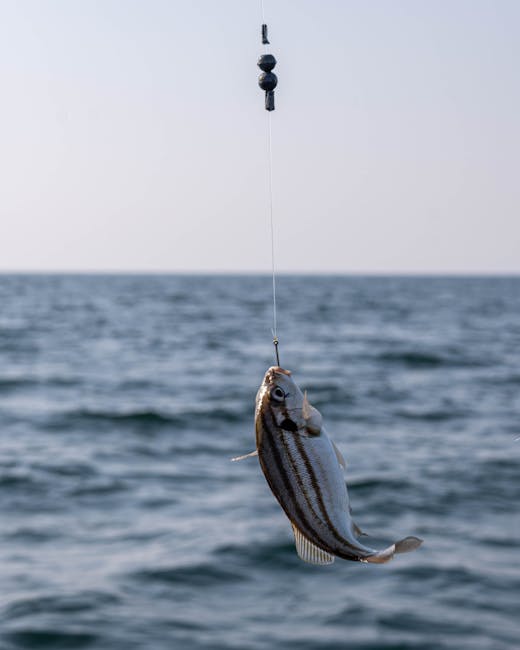
Before heading out to sea, it’s crucial to familiarise yourself with the types of fish that inhabit the waters off Sunderland. Species such as cod, whiting, mackerel, and flatfish are commonly found in these waters. Each species has specific feeding habits, which can influence your choice of bait and fishing technique.
Mackerel, for example, are often caught using shiny lures or live bait, while cod and whiting may be more attracted to natural baits like lugworm or sand eel. Knowing the local marine life will help you select the appropriate sea fishing line bait to enhance your chances of success.
Selecting the Right Rod for Sea Fishing
When it comes to rod selection, several factors come into play. The type of rod you choose will depend on the kind of sea fishing you plan to do, whether from a boat or the shore.
Beach Casting Rods
For shore fishing, beach casting rods are a popular choice. These rods are typically longer, allowing for greater casting distance. A rod between 12 to 15 feet is ideal for reaching beyond the breaking waves. Look for a medium to heavy action rod that can handle larger fish and rougher conditions.
Boat Fishing Rods
For those venturing out on a boat, shorter rods, usually around 6 to 9 feet, are preferable. These rods provide better control and are designed to handle different types of fishing, including bottom fishing for species like cod. Opt for a boat rod with a good test curve to withstand the potential weight of large fish.
The Importance of Line Selection
The fishing line you choose is just as vital as the rod. A strong, durable line is essential for sea fishing, where the potential for snagging and strong currents exists.
Monofilament vs. Braided Lines
Monofilament lines are versatile and easy to handle, making them suitable for beginners. They offer good knot strength and stretch, which can be beneficial when fighting a fish. However, braided lines, while more expensive, provide superior strength and sensitivity. They have a smaller diameter, allowing for longer casts and better performance in deep water.
Choosing the Right Sea Fishing Line Bait
Bait selection can significantly impact your fishing success. The type of bait you use should match the fish species you are targeting. Here are some popular options suitable for the Sunderland coast:
Natural Baits
1. **Lugworm**: Highly effective for species like cod and whiting, lugworm is a traditional bait that is often found on sandy seabeds.
2. **Sand Eel**: This bait is particularly effective for mackerel and can be used live or as a strip.
3. **Squid**: Ideal for larger species, squid can be cut into strips or used whole. Its strong scent attracts fish from a distance.
Artificial Baits
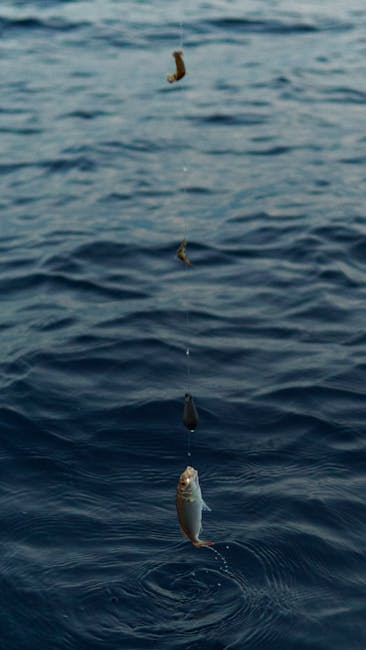
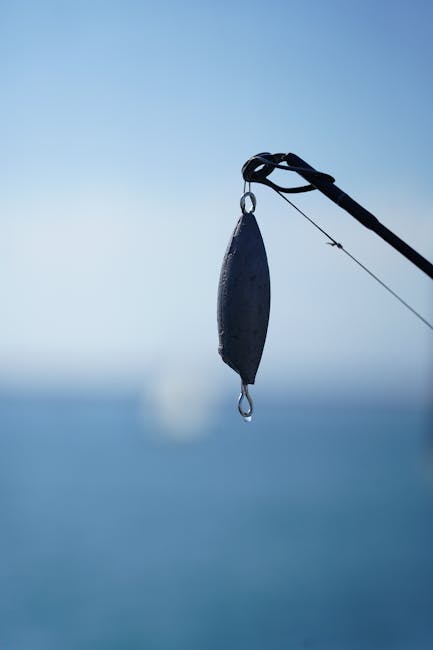
Using lures can be a productive alternative, especially in areas with high fish activity. Metal lures, such as spoons and jigs, mimic the movement of small baitfish and can be very effective for targeting mackerel.
Techniques for Effective Fishing
Once you have your rod, line, and bait sorted, the next step is mastering the techniques that will increase your chances of a successful catch.
Casting Techniques
For beach fishing, practice your casting to achieve maximum distance. A well-executed overhead cast will allow your bait to reach deeper waters where larger fish may be lurking.
For boat fishing, consider using a drop shot technique, which involves letting your bait sink to the bottom and then reeling it slowly to mimic the movement of prey.
Timing Your Fishing Trip
The best times for sea fishing often coincide with tidal movements. Fishing during the incoming tide can be particularly fruitful, as fish are more likely to be feeding. Additionally, dawn and dusk are prime times to catch species like mackerel and cod.
Safety and Regulations
While enjoying your fishing adventure, always remember to follow local regulations regarding fishing limits and protected species. Ensure you have the necessary permits, and practice sustainable fishing by returning undersized or unwanted fish to the water.
In conclusion, sea fishing off the Sunderland coast can be a rewarding experience with the right preparation and knowledge. By selecting the appropriate rod, line, and bait, you can maximise your chances of a successful outing. Embrace the beauty of the coast and enjoy the thrill of the catch while respecting the marine environment and local regulations. Happy fishing!
About the Author