Photo by 성두 홍 via Pexels
For fishing enthusiasts, the Sunderland coast offers a treasure trove of opportunities. One of the key elements for a successful outing is understanding how to select the right sea fishing line bait and rod tips. With a diverse range of species available, from cod to mackerel, knowing your equipment and bait can significantly enhance your experience. This guide will delve into essential tips for selecting the best rods and bait to help you maximise your catch along this beautiful coastline.
Understanding the Basics of Sea Fishing
Sea fishing off the Sunderland coast can be both exhilarating and challenging. The North Sea is home to a variety of fish species, making it essential to tailor your fishing approach. Whether you’re a seasoned angler or a beginner, grasping the basics of rod selection, line types, and bait options will set you on the path to success.
Choosing the Right Rod for Sea Fishing
The type of rod you choose is critical for your fishing success. Here are some factors to consider:
Length and Action
When selecting a rod, length and action are paramount. Generally, sea fishing rods range from 10 to 15 feet in length. A longer rod allows for greater casting distance, which is especially beneficial when fishing from the shore. However, shorter rods can offer better control when handling larger fish. The action of the rod—whether fast, medium, or slow—will affect how it bends under pressure and how much sensitivity you have when a fish bites.
Material
Fishing rods are typically made from fibreglass or graphite. Fibreglass rods are more durable and resistant to damage, making them a great choice for beginners. Graphite rods, on the other hand, are lighter and provide better sensitivity. Ultimately, the choice between the two will depend on your personal preference and fishing style.
Choosing the Right Fishing Line
Another vital consideration is the fishing line itself. The choice of line can depend on various factors, including the type of fish you are targeting and your fishing method.
Monofilament vs. Braided Lines
Monofilament lines are often recommended for beginners due to their ease of use and versatility. They offer good knot strength and stretch, which can be beneficial for absorbing shocks when a fish strikes. However, braided lines have become increasingly popular among experienced anglers. They are thinner, have no stretch, and provide excellent sensitivity, allowing you to feel even the slightest nibble.
Sea Fishing Line Bait: What to Use
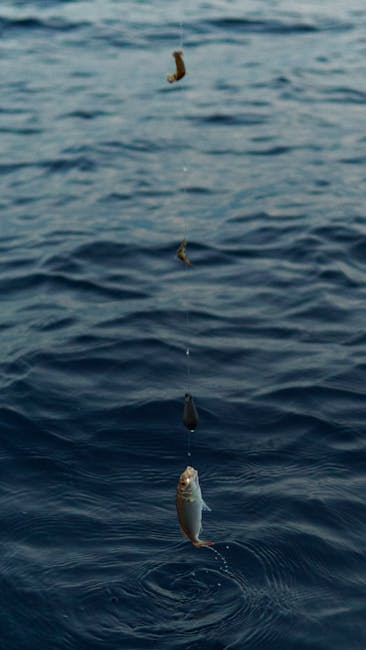
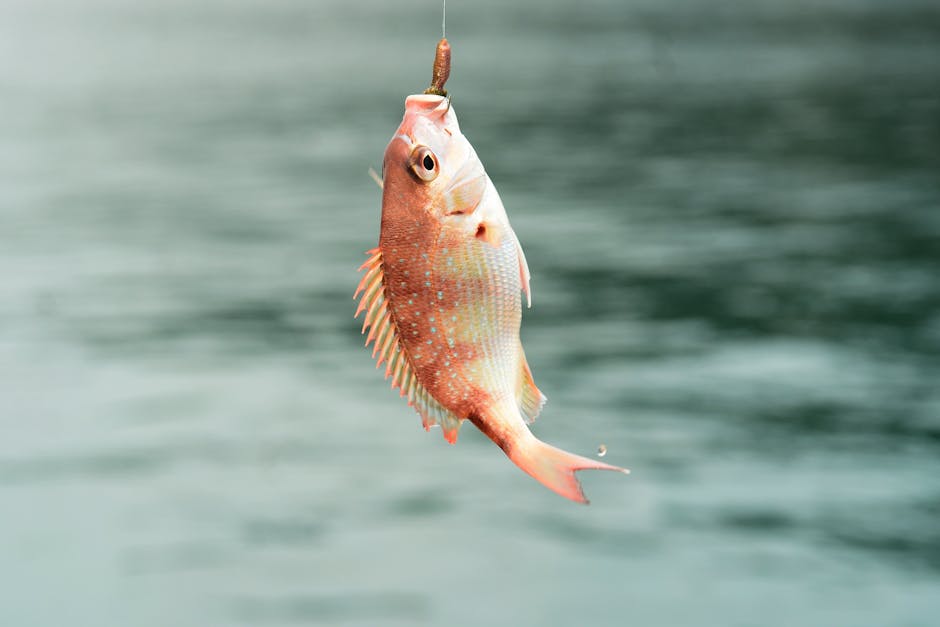
When it comes to bait, the right choice can make all the difference. Sea fishing line bait options can vary widely, but here are some of the most effective types:
Natural Baits
Natural baits are incredibly popular among anglers, as they tend to attract fish effectively. Common natural baits include:
- Mackerel: A favourite among many species, especially cod and pollock. Fresh or frozen mackerel can be cut into strips or used whole.
- Sandeel: Particularly effective for targeting larger fish like bass. They can be used live or dead.
- Shellfish: Crabs and mussels can be excellent bait options, especially for species like flatfish.
Artificial Baits
Artificial baits, such as lures, are also widely used. They can mimic the movement of live bait and often come in various shapes and sizes. Some popular types include:
- Soft Plastics: These can be rigged to resemble various prey and are effective for many species.
- Jigs: Versatile and effective, jigs can be used at various depths and can attract predatory fish.
Techniques for Effective Fishing
In addition to selecting the right equipment and bait, employing effective fishing techniques is crucial. Here are a few tips to enhance your fishing experience:
Know the Tides
Understanding the tidal patterns can significantly impact your success. Fish are often more active during certain tidal conditions, particularly around high tide and the first hour of the ebb tide. Plan your fishing trips accordingly to align with these patterns.
Use the Right Rig
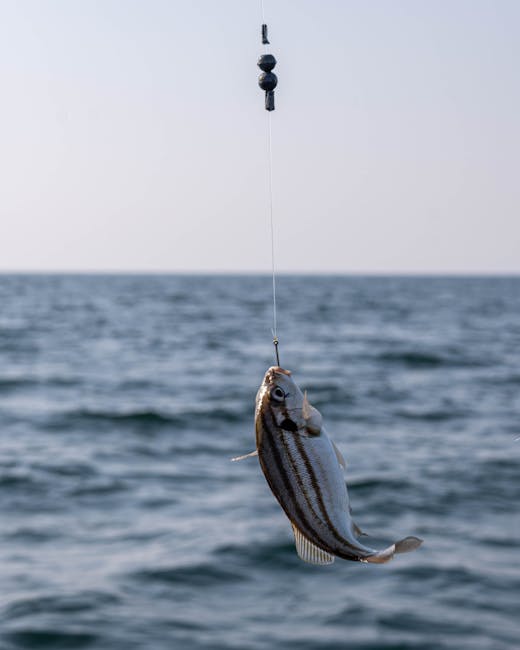
Choosing the right fishing rig can also make a difference. A simple bottom rig can be effective for many species, while a float rig may be more suitable for targeting species that feed closer to the surface. Experiment with different rigs to see what works best for your chosen location and target species.
Environmental Considerations
As anglers, it’s essential to be mindful of the environment. Always adhere to local fishing regulations, including size limits and seasonal restrictions. Practising catch and release can help preserve fish populations for future generations to enjoy.
Resources for Anglers
For more detailed information on sea fishing regulations and best practices, anglers can refer to the official website of the Environment Agency. This resource provides comprehensive guidance on sustainable fishing practices and local fishing spots.
In summary, sea fishing off the Sunderland coast can be a rewarding experience, especially when equipped with the right rod and bait. By understanding your equipment, choosing the appropriate sea fishing line bait, and employing effective fishing techniques, you can enhance your chances of a successful catch. Happy fishing!
About the Author