Photo by Kafeel Ahmed via Pexels
Sunderland’s coastal waters offer a unique and rewarding experience for sea fishing enthusiasts. The rich marine life and diverse fishing spots make it a prime location for both seasoned anglers and novices alike. One essential aspect of successful sea fishing is choosing the right bait and line; understanding how to select the best sea fishing line bait can significantly enhance your catch rate. This article will delve into various aspects of sea fishing off Sunderland’s coast, focusing on effective rod tips and bait choices to maximise your fishing adventures.
Understanding the Sunderland Coastline
Before diving into the specifics of fishing techniques, it’s crucial to understand the geography and environment of Sunderland’s coastline. The waters here vary from rocky cliffs to sandy beaches, each supporting different species of fish. The tidal patterns also play a vital role in fish behaviour, impacting when and where to fish.
The best times for fishing in these waters are often during the rising tides. During these periods, fish tend to move closer to shore, making it an ideal time to cast your line. Familiarising yourself with local tidal charts can provide insights into the best fishing times.
Choosing the Right Rod for Sea Fishing
When selecting a rod for sea fishing, several factors come into play. The length, material, and action of the rod all contribute to your overall fishing experience.
– **Rod Length:** Typically, longer rods (around 12-13 feet) are preferred for surf casting, as they allow for greater distance. However, shorter rods (8-10 feet) can be more manageable and effective for pier fishing.
– **Material:** Graphite rods offer sensitivity and lightness, while fibreglass rods are more durable and can handle rough conditions. For the Sunderland coast, a medium to heavy action rod is generally advisable, as it can handle the larger species found in these waters.
– **Casting Action:** Fast action rods provide quick response and sensitivity, making them ideal for discerning bites. Slow action rods, on the other hand, bend along the entire length and are better for larger fish.
Understanding Sea Fishing Line Bait
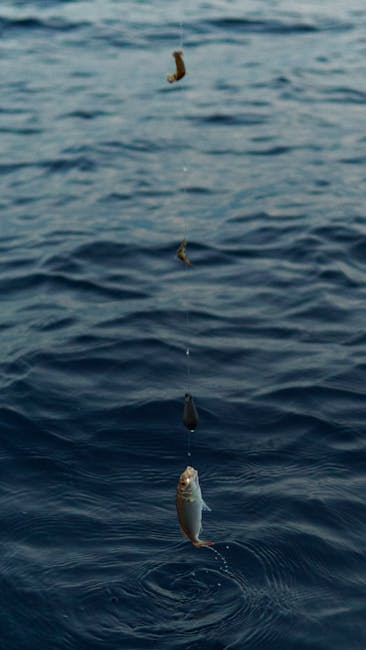
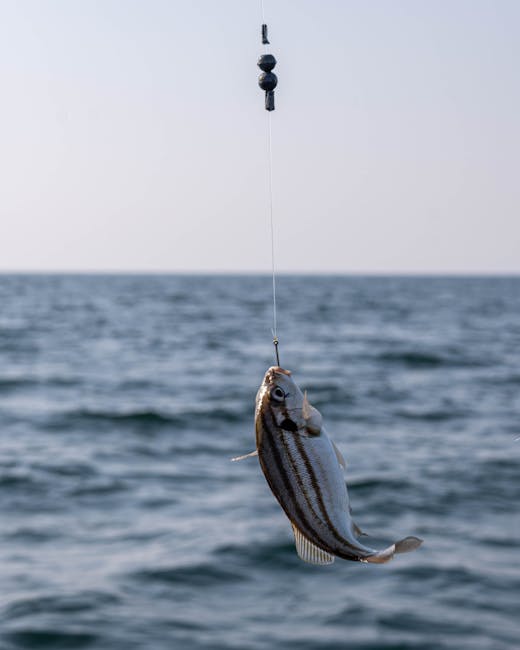
The bait you choose can make or break your fishing experience. Sea fishing line bait varies depending on the species you are targeting. Common choices include:
– **Live Bait:** Fresh bait such as ragworms, lugworms, and peeler crabs can be incredibly effective for attracting a variety of fish. Live bait tends to move naturally in the water, making it more appealing to predatory fish.
– **Artificial Bait:** Lures and jigs can be a great alternative, especially for species like mackerel and pollock. These can mimic the movement of prey and often provoke a predatory response.
– **Dead Bait:** For species like cod and whiting, using dead bait such as mackerel or herring can be highly effective. It’s essential to ensure that dead bait is fresh, as this will increase its attractiveness to fish.
Choosing the right sea fishing line bait not only involves selecting the species but also considering the time of year and local conditions. Experienced anglers often keep a selection of baits at hand to adapt to changing fishing conditions.
Techniques for Effective Casting
Casting technique is paramount when sea fishing. A well-executed cast can significantly increase your chances of catching fish. Here are some tips to improve your casting:
– **Proper Grip:** Hold your rod firmly but not too tight. A relaxed grip allows for better control and accuracy during your cast.
– **Body Position:** Position your feet shoulder-width apart for balance. Your body should face the direction you want to cast, with your non-dominant hand guiding the rod.
– **Smooth Motion:** Use a smooth, fluid motion when casting. Start with the rod behind you and swing it forward, releasing the line at the optimal point to achieve maximum distance.
Practising your casting technique on land can help you build muscle memory before you hit the water.
Finding the Right Spot
Locating the ideal fishing spot along the Sunderland coastline is essential. Here are some popular areas to consider:
– **Roker Pier:** A well-known spot for both novices and experienced anglers, Roker Pier provides access to various fish species. The structure attracts fish, and casting from here can yield great catches.
– **Seaburn Beach:** This sandy beach is perfect for surf casting, especially during high tide. Expect to find flatfish and the occasional mackerel.
– **Whitburn Steel:** This rocky area is known for its diverse marine life. It’s an excellent location for catching larger species like cod and pollock.
Using local resources, such as fishing forums and social media groups, can help you discover new hot spots and techniques shared by fellow anglers.
Safety and Conservation Practices
While enjoying sea fishing, it is essential to prioritise safety and conservation. Always wear appropriate clothing, including a life jacket if fishing from a boat or pier. Familiarise yourself with local fishing regulations, including catch limits and protected species, to ensure sustainable fishing practices.
Respecting the marine environment is crucial. If you catch fish that are undersized or not within the legal limits, release them back into the water gently. Keeping the coastline clean by disposing of waste responsibly is also vital for preserving the natural habitat.
By understanding the local conditions, selecting the right rod and bait, and employing effective fishing techniques, you can enhance your sea fishing experience off the Sunderland coast. Enjoy the thrill of the catch, and remember to respect the waters that provide such a rich bounty.
About the Author