Photo by Remont Vmyatin via Pexels
Whether you’re a seasoned angler or a novice looking to make the most of your time on the water, sea fishing off the coast of Sunderland provides an exhilarating experience. With a rich marine ecosystem and a variety of fish species, it’s essential to have the right tools and techniques at your disposal. In this guide, we’ll explore the best rod tips for sea fishing, while also touching on shed framing basics to help you store your equipment effectively.
Understanding the Local Marine Environment
Sunderland’s coastal waters are teeming with life, making it a prime location for sea fishing. The area is known for its diverse fish population, including cod, whiting, and mackerel. Understanding the local marine environment can significantly enhance your fishing success. Factors such as tides, weather conditions, and the time of year all play a crucial role in determining fish behaviour.
Choosing the Right Fishing Rod
When it comes to sea fishing, selecting the appropriate rod is paramount. The type of rod you choose will depend on several factors, including the species you’re targeting and the fishing method you plan to employ.
Rod Length and Action
For sea fishing, a rod length between 10 to 12 feet is generally recommended. A longer rod allows for greater casting distance, which is particularly useful when fishing from the shore. In terms of action, medium to heavy rods are ideal for handling larger fish that frequent Sunderland’s waters. A fast action rod can provide better sensitivity, allowing you to detect bites more easily.
Rod Material
Fishing rods are typically made from either fibreglass or graphite. Fibreglass rods are more durable and can withstand the rigours of sea fishing, while graphite rods are lighter and offer greater sensitivity. Consider your fishing style and preferences when making your choice.
Reels and Line Selection
Pairing your rod with the right reel and line is crucial for a successful outing. A spinning reel is often recommended for beginners due to its ease of use and versatility.
Choosing the Right Reel
Look for a reel that has a good drag system and can handle the weight of the fish you’re targeting. A size 4000 to 6000 reel is typically suitable for most sea fishing scenarios off Sunderland. Ensure that the reel is corrosion-resistant, given the saline environment.
Line Strength and Type
For sea fishing, a braided line with a strength of 20 to 30 lb test is advisable. Braided lines provide excellent visibility in the water and minimal stretch, which is important when trying to reel in larger fish. Additionally, consider using a fluorocarbon leader to enhance your chances of success, as it is less visible underwater.
Fishing Techniques for Success
Understanding various fishing techniques can greatly improve your catch rate. Each method has its own advantages, depending on the conditions and the fish you’re targeting.
Bottom Fishing
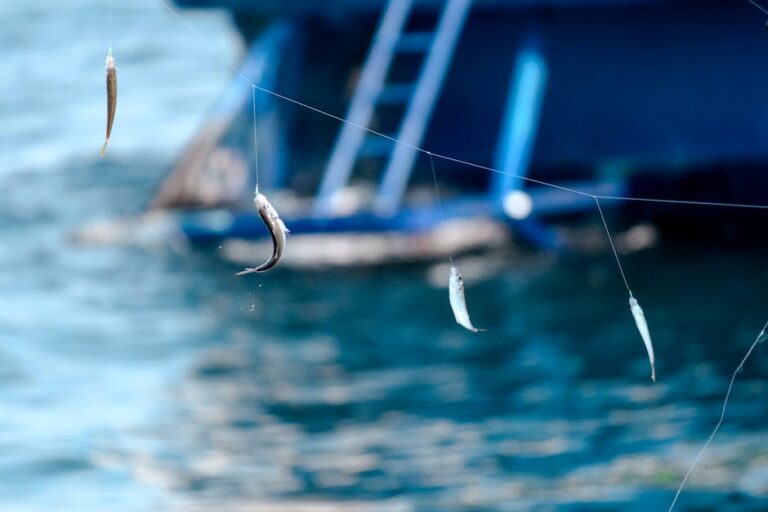
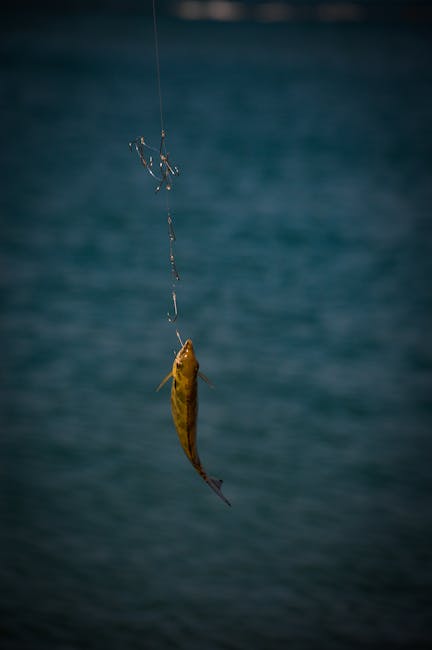
This technique is perfect for targeting bottom-dwelling fish such as cod and whiting. Use a weight to keep your bait on the seabed, and consider using a multi-hook rig to increase your chances of catching multiple fish at once.
Surf Fishing
Surf fishing is popular along the Sunderland coast, especially during the summer months. Cast your line beyond the breaking waves where fish often congregate. A heavier sinker will help keep your bait in place against the surf.
Float Fishing
Float fishing allows you to present your bait at a specific depth, making it an effective method for targeting species that feed in the water column. Use a buoyant float to help detect bites easily.
Storing Your Equipment: Shed Framing Basics
After a successful day of fishing, proper storage of your gear is essential. Understanding shed framing basics can help you create an efficient space for your fishing equipment. When building or organising a shed, consider the following:
Space and Layout
Ensure you have enough space to store rods, reels, tackle boxes, and other equipment. A well-planned layout can help you easily access your gear when preparing for your next fishing trip.
Weather Protection
Consider insulation and weatherproof materials for your shed to protect your equipment from moisture and temperature fluctuations. Keeping your gear dry will prolong its lifespan and maintain its functionality.
Essential Accessories for Sea Fishing
In addition to your rod and reel, having the right accessories can significantly enhance your fishing experience. Essential items include:
Fishing Tackle
Make sure to have a variety of hooks, weights, and lures that are suitable for the types of fish you plan to catch. It’s wise to have a tackle box organised by category for easy access.
Safety Gear
Always prioritise safety when fishing. A life jacket, a first aid kit, and a sturdy pair of fishing gloves can help ensure a safe and enjoyable experience.
Fishing Licence and Regulations
Before heading out, ensure you have the necessary fishing licence and are familiar with local regulations. Adhering to size and bag limits helps preserve the marine ecosystem for future generations.
By understanding the best practices for sea fishing off the Sunderland coast and implementing practical storage solutions, you can enhance both your fishing success and the longevity of your equipment. With the right rod tips and techniques, you’re well on your way to enjoying the rich fishing opportunities that Sunderland has to offer.
About the Author