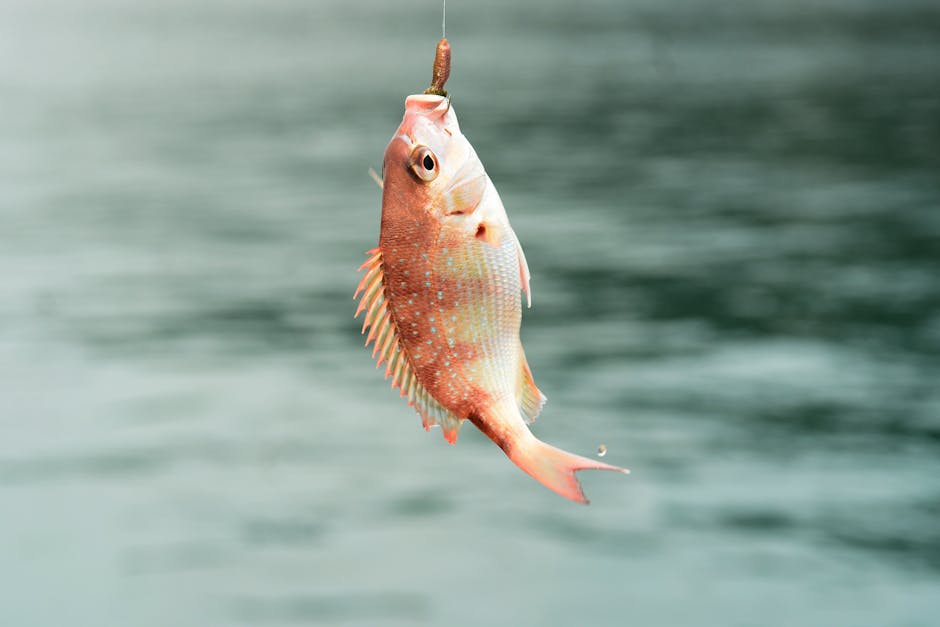
Photo by 성두 홍 via Pexels
Sea Fishing off Sunderland Coast: Best Rod Tips for Baiting
Fishing enthusiasts flock to the stunning coastline of Sunderland for its rich marine life and varied fishing opportunities. One of the most crucial aspects of successful sea fishing is understanding the best line bait for the species you’re targeting. Whether you’re a novice or an experienced angler, having the right tips and techniques can significantly enhance your fishing experience.
The Importance of Choosing the Right Bait
When it comes to sea fishing, the bait you select is vital. Different species are attracted to different types of bait, and using the right one can make all the difference. For instance, if you’re aiming to catch cod, using fresh lugworm or crab can be extremely effective. On the other hand, mackerel may be better tempted by shiny lures, which mimic the movements of small fish.
Understanding the behaviour and feeding habits of the fish in Sunderland’s waters allows you to tailor your bait choices effectively. Local knowledge and experience play significant roles in determining what works best at different times of the year.
Understanding Sea Fishing Lines
Your fishing line is just as important as your bait. In sea fishing, you typically have two options: monofilament or braided line. Monofilament lines are easier to manage and are more forgiving when it comes to knots. However, braided lines offer increased sensitivity and strength, making them ideal for larger fish. Choosing the right line can also influence how your bait behaves in the water, affecting how fish respond.
Best Rod Tips for Sunderland Fishing
Here are some essential rod tips to help you maximise your sea fishing efforts off the Sunderland coast:
Selecting the Right Rod
Choosing the appropriate rod is crucial. A medium to heavy action rod is generally recommended for sea fishing, as it provides the power needed to handle larger fish and the durability to withstand harsh marine conditions. Look for rods that are at least 10 to 12 feet long, which offer better casting distance and control.
Matching Reel and Line
Your fishing reel should complement your rod and line choice. Spinning reels are popular among sea anglers due to their versatility and ease of use. Ensure that your reel is spooled with a line suitable for your fishing style and target species. A line with a breaking strain of around 15 to 20 pounds is often appropriate for most sea fishing scenarios.
Setting the Drag Properly
One of the most overlooked aspects of sea fishing is the drag setting on your reel. A properly set drag allows the fish to pull line while still maintaining tension, reducing the risk of snapping your line. Test your drag before you head out; it should be firm but not too tight, allowing for some give when a fish bites.
Effective Baiting Techniques
Once you have your equipment sorted, it’s time to focus on baiting techniques. Here are some effective methods to enhance your catch rate:
Threading Bait on Hooks
When using natural baits like lugworm or squid, ensure you thread them securely onto the hook. This not only helps keep the bait on during casting but also ensures it presents naturally in the water. For larger baits, like whole fish, consider using a baiting needle to help secure the bait firmly.
Using PVA Bags for Loose Feed
PVA (polyvinyl alcohol) bags are an excellent tool for sea fishing. These bags dissolve in water and release loose feed, attracting fish to your bait. Fill a PVA bag with small pellets or chopped-up bait, attach it to your line, and cast it out. This technique can significantly increase your chances of attracting fish to your chosen hook bait.
Seasonal Considerations
Fishing conditions can vary dramatically throughout the year. Understanding seasonal shifts is key to successful sea fishing. For instance, during the warmer months, species like mackerel and bass are more prevalent, while autumn and winter often see an influx of cod. Keeping an eye on local fishing reports can help you stay informed about what’s biting at any given time.
Local Regulations and Conservation
Before you head out to fish off Sunderland, it’s essential to be aware of local fishing regulations. These rules help protect marine ecosystems and ensure sustainable fishing practices. Familiarise yourself with size limits, catch quotas, and any seasonal restrictions that may apply to particular species. The North East Fishing Alliance provides valuable information on local regulations and conservation efforts.
Final Thoughts on Sea Fishing off Sunderland
Sea fishing off the Sunderland coast presents a fantastic opportunity for anglers of all skill levels. By understanding the importance of selecting the right sea fishing line bait, choosing the appropriate equipment, and employing effective techniques, you can significantly enhance your fishing experience. Remember to respect local regulations and the environment, ensuring that future generations can enjoy the incredible fishing opportunities this region has to offer.
About the Author