Photo by Lisa from Pexels via Pexels
When it comes to sea fishing, few places rival the beauty and diversity of the Sunderland coast. Anglers flock to this area not only for its stunning landscapes but also for the variety of fish that can be caught. If you’re new to sea fishing or looking to enhance your skills, understanding the best rod tips can significantly improve your chances of a successful outing. Interestingly, if you’re also considering a small shed design on a budget to store your fishing gear, this guide will touch upon how efficient storage can complement your fishing adventures.
Choosing the Right Rod for Sea Fishing
The first step in improving your fishing experience is selecting the right rod. Sea fishing requires a different approach compared to freshwater fishing, primarily due to the strength and size of the fish found in coastal waters. A good all-rounder for beginners is a 12 to 15-foot beach rod, which provides the necessary length for casting further out into the surf.
When choosing a rod, consider the following:
- Material: Fibreglass rods are durable and forgiving, making them ideal for beginners, while carbon rods are lighter and more sensitive, suitable for those who have a bit more experience.
- Action: A medium to fast action rod allows for better control and responsiveness, essential for battling larger fish.
- Test Curve: This refers to the amount of weight that can be applied to the rod before it bends. A test curve of 2-3lb is usually suitable for general sea fishing.
Best Fishing Techniques
Having the right rod is only part of the equation. Employing effective fishing techniques is crucial for success. Here are a few methods that work particularly well along the Sunderland coast:
1. Beach Casting
Beach casting is one of the most popular methods for sea fishing along the Sunderland coastline. It involves casting your baited line into the surf, targeting species like bass, cod, and whiting. To maximise your casting distance, practice your technique by using a pendulum cast, ensuring your weight is properly balanced and your rod is loaded effectively.
2. Ledgering
Ledgering is another effective technique where you place a weight on the bottom and allow your bait to sit in the water, enticing fish as they swim by. This method is particularly effective for targeting flatfish and larger species. Use a strong mainline and a suitable hook to ensure you can withstand the pulls of bigger fish.
3. Float Fishing
This technique can be incredibly rewarding and is often overlooked in sea fishing. Using a float allows you to keep your bait suspended in the water, making it visible to fish swimming near the surface. It’s particularly effective for catching mackerel and smaller species, especially during the summer months when they are more active.
Essential Gear and Tackle
In addition to your rod, having the right gear is essential for a successful fishing trip. Here’s a list of must-have items:
- Reel: A fixed spool reel is generally preferred for sea fishing due to its ease of use and ability to handle various line weights.
- Line: Use a strong braided line for its low stretch and sensitivity, allowing you to feel even the slightest nibble.
- Hooks: A variety of hooks in different sizes will prepare you for various species. Circle hooks can help reduce the chance of gut hooking fish.
- Bait: Fresh bait like ragworm, lugworm, or even squid can be very effective. Make sure to check local regulations regarding bait use.
Storage Solutions for Your Fishing Gear
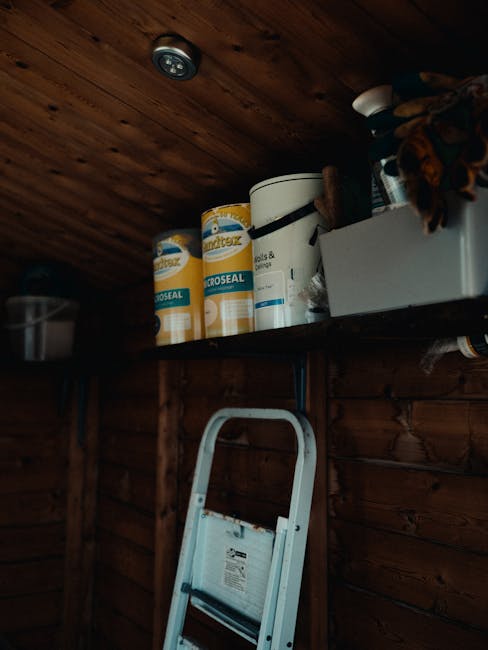
After an enjoyable day on the water, having a proper storage solution for your gear is essential. Consider designing a small shed on a budget to keep your rods, reels, and tackle organised and protected from the elements. A simple wooden shed can be constructed with minimal expense and can serve as a convenient space for all your fishing equipment. Incorporate shelving for smaller items and hooks for your rods to maximise the available space.
Timing and Location
Knowing when and where to fish can drastically improve your success rate. The Sunderland coast offers numerous spots, each with its own peak times. Generally, fishing during the early morning or late afternoon yields the best results, as fish are more active during these cooler parts of the day.
Additionally, areas like Roker Pier and South Shields are known for their productive fishing grounds, especially during the summer months. Look for tide changes, as many species feed more aggressively during these times. Research local tide charts to plan your outings effectively.
Safety Tips for Sea Fishing
Lastly, safety should always be a top priority when sea fishing. Always wear a life jacket if you’re fishing from a boat or a pier, and let someone know your plans before heading out. Keep an eye on the weather, as conditions can change quickly along the coast. Additionally, be aware of local wildlife and respect the environment by following fishing regulations.
By choosing the right rod and employing effective techniques, you can enhance your sea fishing experience off the Sunderland coast. Whether you’re a seasoned angler or just starting, these tips will help you make the most of your time on the water. And remember, a well-organised storage solution, such as a budget-friendly small shed, can keep your gear in great condition, ready for your next fishing adventure.
About the Author