
Photo by Hala Obed via Pexels
Sunderland, a vibrant coastal city in the northeast of England, offers some fantastic opportunities for sea fishing enthusiasts. With a rich marine life and diverse fishing spots, it attracts both seasoned anglers and newcomers alike. In this guide, we’ll explore the best rod tips for fishing off the Sunderland coast, ensuring you have a successful and enjoyable experience. Plus, if you’re looking for the cheapest way to roof a shed, we’ll touch upon that as well, as proper shelter can enhance your fishing trips.
Understanding the Local Fishing Environment
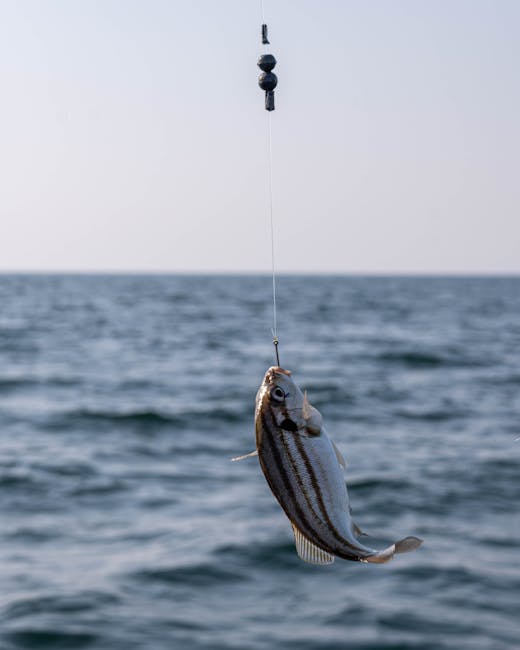
Before diving into rod tips, it’s essential to understand the local environment. The Sunderland coast is characterised by its rocky shores, sandy beaches, and estuaries, each providing unique habitats for various fish species. Common catches include cod, whiting, flatfish, and even the occasional mackerel during the summer months.
The tidal patterns also play a significant role in successful fishing. Understanding the tides will help you determine the best times to fish, as some spots are more productive during specific tidal phases. Generally, the best fishing tends to occur around high tide and the hour before and after.
Selecting the Right Rod
Choosing the right rod is crucial for a successful fishing trip. Here are some key considerations:
Rod Length
For sea fishing off Sunderland, a rod length of 10 to 12 feet is often recommended. This length provides the necessary leverage when casting and reeling in larger fish. A longer rod can also help in navigating the rocky areas along the coast, allowing you to cast further into deeper waters.
Rod Action
The action of a rod refers to how much it bends when pressure is applied. A medium to heavy action rod is ideal for sea fishing, as it can handle the weight of larger fish and provide the strength needed to fight against strong currents. Look for a rod that offers a good balance between flexibility and strength.
Material Considerations
Rod materials range from fibreglass to graphite. Fibreglass rods are generally more affordable and durable, making them a great choice for beginners. Graphite rods, on the other hand, are lighter and offer better sensitivity, which is beneficial for detecting bites. Depending on your budget and level of experience, choose a rod that suits your needs.
Choosing the Right Reel
Your fishing reel is just as important as your rod. Here’s what to consider when selecting a reel for sea fishing:
Reel Type
For sea fishing, spinning reels are often the most user-friendly and versatile option. They allow for easy casting and retrieval, making them perfect for beginners. Baitcasting reels can also be used, but they require a bit more skill to operate effectively.
Reel Size
Choose a reel that matches your rod size. A medium-sized spinning reel in the 4000 to 6000 range is generally suitable for sea fishing off Sunderland. This size provides ample line capacity and the drag power needed to handle larger fish species.
Essential Fishing Tackle
Alongside your rod and reel, having the right tackle is essential. Here are some key components:
Fishing Line
Choose a strong, abrasion-resistant line, as sea fishing can involve rough conditions. A monofilament line with a test strength of 15-30 lb is usually sufficient for most species encountered off the Sunderland coast.
Hooks and Weights
Depending on what you’re targeting, select hooks that are appropriate for the species. For larger fish like cod, a 2/0 to 5/0 hook size is recommended. Additionally, using weights will help your bait sink to the desired depth, especially in areas with strong currents.
Bait Selection
Choosing the right bait can make a significant difference in your catch rate. Here are some popular options for sea fishing off Sunderland:
Natural Baits
Using fresh bait such as lugworm, ragworm, or mackerel can be particularly effective. These baits are readily available at local tackle shops and are known to attract various fish species in the area.
Artificial Baits
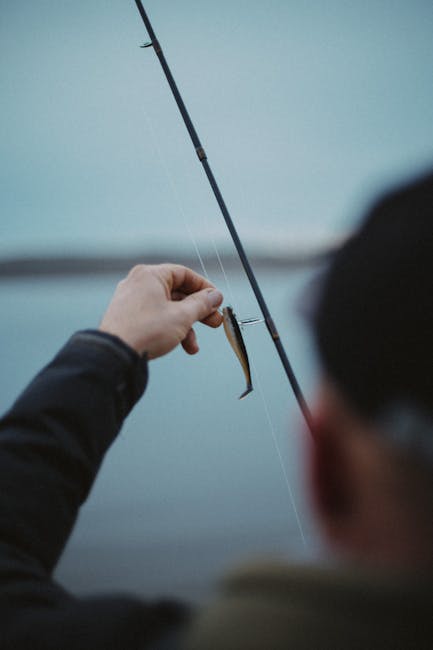
If you prefer using lures, consider soft plastics or metal jigs. These can be effective for species like mackerel and pollock, especially during the summer months when they are more active.
Fishing Techniques for Success
While having the right gear is essential, employing effective fishing techniques will increase your chances of success:
Casting Techniques
Practice your casting technique to ensure accurate and long-distance casts. Aim for areas where fish are likely to be feeding, such as near rocks, piers, or underwater structures.
Retrieval Methods
Experiment with different retrieval methods, such as slow and steady or fast and erratic. Varied speeds can attract different species, so be adaptable based on what you observe.
Preparing for Your Fishing Trip
When planning a fishing trip, preparation is key. Ensure you have the appropriate fishing license and check local regulations regarding size limits and catch quotas. Additionally, having a sturdy shed or storage area for your equipment can protect it from the elements, and if you’re looking for the cheapest way to roof a shed, consider using materials like corrugated metal or felt roofing, which provide reliable protection at a low cost.
Being well-prepared will enhance your overall fishing experience, allowing you to focus on the thrill of the catch.
With these tips in mind, you’re well on your way to an enjoyable day of sea fishing off the Sunderland coast. Happy fishing!
About the Author

2 thoughts on “Sea Fishing off Sunderland Coast: Best Rod Tips”