Photo by Hala Obed via Pexels
The Sunderland coast, with its rich maritime heritage and diverse marine life, presents an enticing destination for sea fishing enthusiasts. Whether you’re a seasoned angler or a novice looking to cast your first line, understanding the best rod tips can significantly enhance your fishing experience. As you prepare for your fishing adventure, it’s also wise to consider any necessary outdoor structures you might want to set up for your equipment or relaxation, such as a garden shed. However, if you’re thinking of building a shed in your garden, remember that it’s essential to check the planning permission for garden shed regulations in the UK. Let’s dive into the specifics of selecting the right rod and techniques for fishing off Sunderland’s picturesque coast.
Understanding the Local Waters
Before you cast your line, it’s crucial to have a good understanding of the local waters. The Sunderland coast is known for its mixed fishing opportunities, ranging from rocky shorelines to sandy beaches. The area is home to various species, including cod, whiting, and flatfish, so your choice of rod will depend largely on what you’re hoping to catch.
The tidal patterns in this region also play a significant role in fishing success. Understanding when to fish—typically during rising tides or the early hours of the morning—can make a considerable difference. Additionally, keeping an eye on the weather conditions will help you decide when to head out, as strong winds and rough seas can hinder your fishing experience.
Choosing the Right Fishing Rod
When it comes to sea fishing off the Sunderland coast, selecting the right rod is paramount. Here are some important factors to consider:
Rod Length
The length of your fishing rod can influence both casting distance and control. For shore fishing in Sunderland, a rod length between 10 to 12 feet is often ideal. This length provides a good balance between casting distance and the ability to handle larger fish. If you’re fishing from a boat, shorter rods, typically around 6 to 8 feet, can be more manageable in close quarters.
Rod Action
Rod action refers to how much of the rod bends when pressure is applied. Fast action rods bend at the tip, while slow action rods bend throughout the length. For sea fishing, a medium to fast action rod is usually preferred as it offers the sensitivity needed for detecting bites while also providing the backbone necessary for reeling in larger fish.
Rod Material
Most fishing rods are made from either fibreglass or graphite. Fibreglass rods are typically more durable and less expensive, making them a good choice for beginners. Graphite rods, while often pricier, are lighter and more sensitive, which can improve your overall fishing experience, especially when trying to detect subtle bites.
Essential Fishing Gear
In addition to choosing the right rod, having the appropriate gear is crucial for a successful fishing trip. Here are some essentials to consider:
Reels
Select a reel that complements your rod. Spinning reels are a popular choice for shore fishing, as they are user-friendly and versatile. Ensure that the reel is rated for saltwater use to avoid corrosion.
Line Selection
Your fishing line should be strong enough to handle the local fish species. A braided line is often recommended for sea fishing as it offers high sensitivity and strength. Choose a line with a test strength of at least 15 to 30 pounds, depending on the size of the fish you are targeting.
Bait and Lures
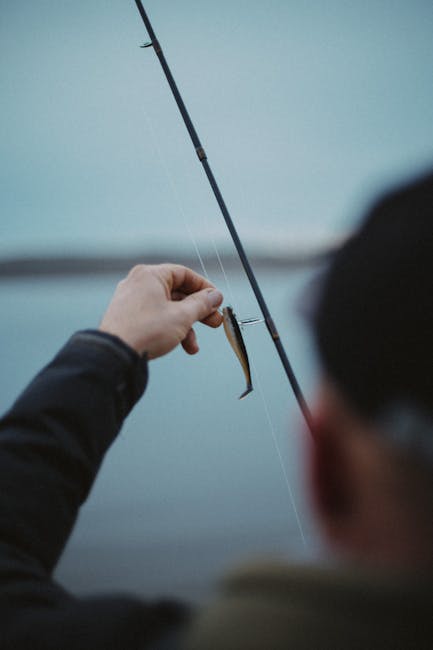
When it comes to bait, live bait such as lugworms or ragworms can be very effective, particularly for species like cod and whiting. Alternatively, artificial lures mimicking local prey can also yield great results. Always ensure to have a selection of both on hand to adapt your strategy based on the conditions.
Fishing Techniques for Success
Once you have your gear sorted, mastering some fundamental fishing techniques can enhance your chances of success:
Bottom Fishing
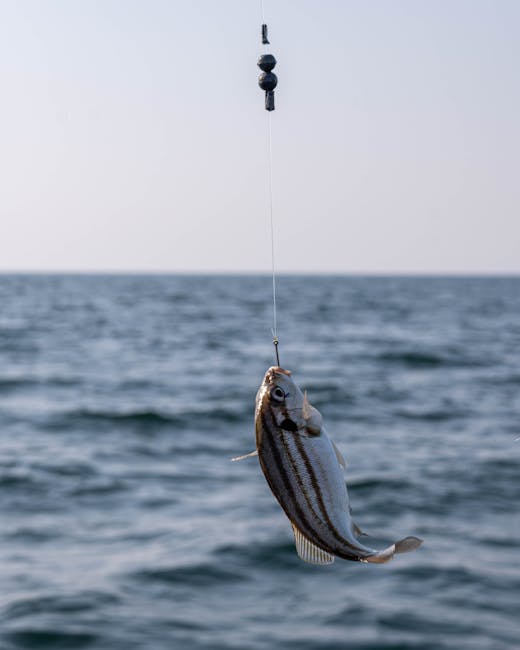
This technique involves casting your bait to the seabed and waiting for fish to bite. It’s particularly effective in deeper waters off Sunderland where species like cod tend to dwell. Use a weight to keep your bait anchored on the bottom and be patient while waiting for a catch.
Float Fishing
Float fishing is another effective method, especially in shallower waters. By using a float, you can keep your bait suspended at a specific depth, making it attractive to species that feed mid-water. This technique is great for targeting mackerel and other pelagic species.
Retrieval Techniques
Vary your retrieval speed to find what works best for the day. Sometimes a slow, steady retrieve can entice a fish, while at other times, a quick, erratic movement can trigger a predatory instinct. Experimenting with these techniques can lead to a more fruitful fishing day.
Planning for Your Fishing Trip
Before embarking on your fishing trip, ensure that you are well-prepared. It’s wise to check local fishing regulations and obtain any necessary permits or licenses. Understanding the rules will not only keep you compliant but also protect the marine environment.
Additionally, if you’re considering a more permanent setup for your fishing gear, you may want to build a garden shed. However, remember to check the planning permission for garden shed requirements in the UK to avoid any complications.
Ultimately, sea fishing off the Sunderland coast is an enjoyable and rewarding experience. With the right rod, gear, and techniques, you can maximise your chances of a successful catch while soaking in the stunning coastal scenery. Happy fishing!
About the Author