
Photo by www.kaboompics.com via Pexels
Sea Fishing off Sunderland Coast: Best Rod Tips
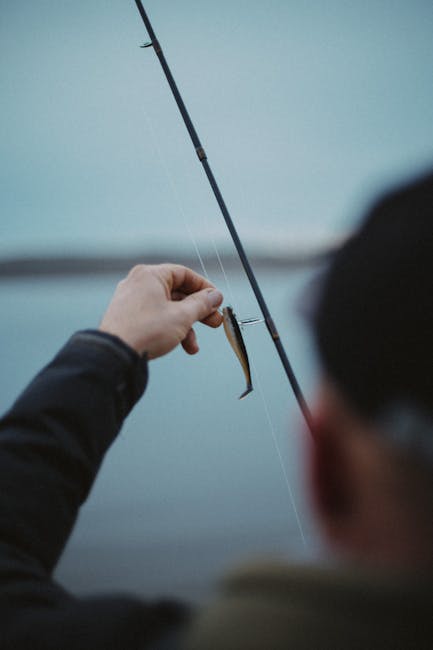
Fishing along the stunning Sunderland coast offers a unique blend of excitement and tranquillity, making it a popular pastime for both seasoned anglers and novices alike. Whether you’re casting your line from the shore or venturing out on a boat, having the right rod and understanding how to use it effectively can significantly enhance your fishing experience. In this guide, we’ll explore some essential tips for selecting the best rod and techniques to maximise your catch. Additionally, for those interested in DIY projects, we’ll touch upon budget garden shed plans to store your fishing gear efficiently.
Choosing the Right Rod for Sea Fishing
When it comes to sea fishing off Sunderland, the type of rod you choose is crucial. Here are some important factors to consider:
Length and Material
The length of your fishing rod typically depends on the type of fishing you plan to do. For shore fishing, a rod between 10 to 12 feet is often ideal as it allows for longer casts. Conversely, if you’re going on a boat, a shorter rod, around 7 to 9 feet, may offer better control. As for materials, graphite rods are lightweight and sensitive, making them great for feeling bites, while fibreglass rods are more durable and can handle rougher conditions.
Rod Action
Rod action refers to how much the rod bends when pressure is applied. Fast action rods bend near the tip, providing quick response times, which is excellent for catching fast-moving fish. Medium action rods offer a balance of flexibility and strength, while slow action rods bend throughout their length, making them ideal for larger fish that require more play. Depending on your target species—be it cod, mackerel, or flatfish—you’ll want to select a rod that complements your fishing style.
Understanding Rod Ratings and Power
Every fishing rod comes with a power rating, which indicates how much weight it can handle. Usually classified as ultralight, light, medium, medium-heavy, and heavy, the rating will guide you in selecting a rod for specific types of fish. For instance, targeting large cod might require a medium-heavy or heavy rod, while smaller species can be effectively caught with a light rod.
Choosing the Right Reel
The reel is just as important as the rod. Spinning reels are the most popular choice for sea fishing due to their versatility and ease of use. When selecting a reel, consider the gear ratio, which affects how quickly you can retrieve your line. A higher gear ratio is ideal for fast retrieves, while a lower ratio can provide more torque for reeling in larger fish.
Line Selection
Your choice of fishing line can also impact your success rate. Braided lines are known for their strength and thin diameter, making them excellent for casting long distances. Monofilament lines, on the other hand, offer good stretch and are often more forgiving when it comes to hook sets. A good rule of thumb is to use a line rated for at least 10-20% more than the weight of the fish you’re targeting.
Essential Techniques for Successful Fishing
Now that you have your rod and reel sorted, it’s time to focus on techniques that can help you reel in your catch.
Casting Techniques
Proper casting is key to successful fishing. If you’re fishing from the shore, practice overhead casts and sidearm casts to reach the best spots. When fishing from a boat, you can use a dropping technique, allowing your bait to descend to the desired depth before reeling in. Remember to keep your movements smooth and controlled to avoid tangles or spooking fish.
Understanding the Tides
Understanding local tides can significantly affect your fishing success. Many anglers find that fishing during high tide or just before low tide can yield the best results, as fish tend to be more active during these periods. Be sure to check local tide charts to plan your fishing trips accordingly.
Using Bait and Lures
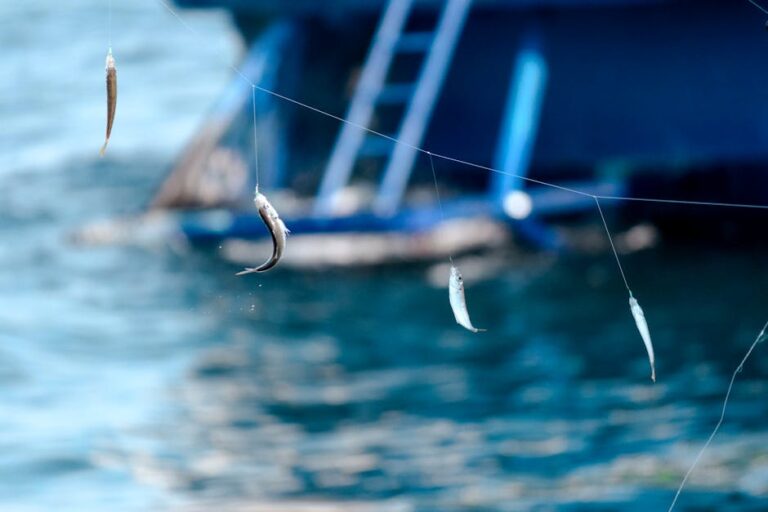
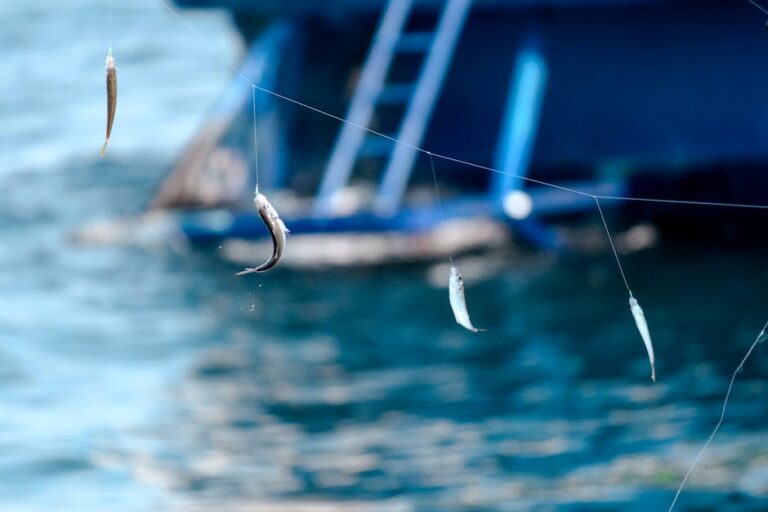
Choosing the right bait is essential for attracting fish. For species like mackerel, natural baits such as squid or small fish work well. If you’re opting for lures, consider using jigs or spoons that mimic the movements of prey. Experiment with different types to see what works best for the species you’re targeting.
Storage Solutions for Your Fishing Gear
As you gather your fishing equipment, it’s essential to have a good storage solution. This is where budget garden shed plans can come in handy. A simple garden shed can serve as an excellent space to store your rods, reels, tackle boxes, and other fishing gear. Building your own shed not only saves costs but also allows you to customise the space according to your needs.
Final Thoughts
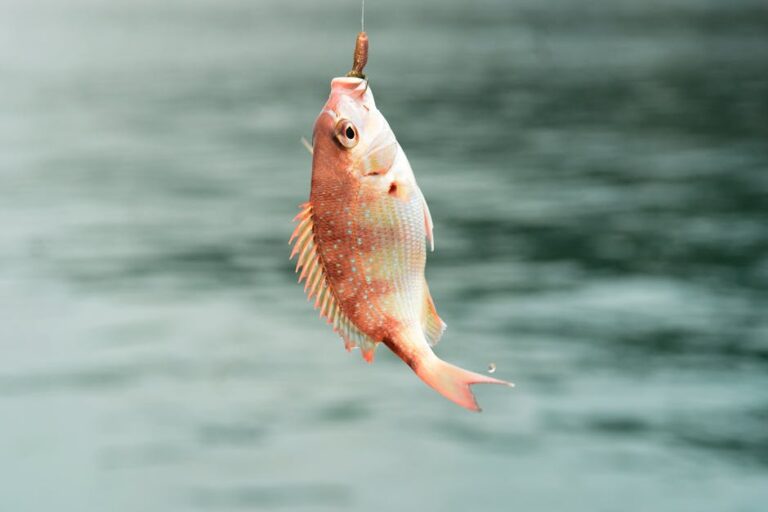
Fishing off the Sunderland coast can be a rewarding experience, especially with the right equipment and techniques. By selecting the appropriate rod and reel, understanding fishing techniques, and having a reliable storage solution for your gear, you’ll be well on your way to enjoying successful fishing trips. So grab your gear, head to the coast, and immerse yourself in the beauty of the sea while reeling in your next big catch!
About the Author

3 thoughts on “Sea Fishing off Sunderland Coast: Best Rod Tips”