Photo by Tom Kulitze via Pexels
Sea fishing off the Sunderland coast offers a thrilling experience for both seasoned anglers and beginners alike. With a rich marine life and picturesque surroundings, this area is a prime location for catching a variety of fish. One of the most critical aspects of successful sea fishing is selecting the right sea fishing line bait and understanding how to use it effectively. In this post, we will delve into the best tips for choosing your line and bait to enhance your fishing adventures along the Sunderland coast.
Understanding the Local Ecosystem
The Sunderland coastline boasts a diverse range of species, including cod, whiting, and mackerel, which are often sought after by anglers. Understanding the local ecosystem is essential for selecting the appropriate bait and line. The best fishing spots can vary depending on the season and time of day, so it’s wise to do some research or consult local fishing reports before heading out.
Choosing the Right Fishing Line
The choice of fishing line can significantly impact your success rate. When it comes to sea fishing off the Sunderland coast, consider the following factors:
- Line Type: Monofilament, fluorocarbon, and braided lines each have their advantages. Monofilament is great for beginners due to its flexibility and ease of handling, while braided lines offer superior strength and sensitivity, making them ideal for experienced anglers targeting larger fish.
- Breaking Strain: The breaking strain of your line should match the species you are targeting. For example, if you’re fishing for cod, a line with a breaking strain of 15-30 lbs is advisable, while lighter lines can be used for smaller species.
- Length and Spool Capacity: Ensure that your reel has enough spool capacity to hold your chosen line. A longer line can help you reach deeper waters where larger fish tend to dwell.
Effective Sea Fishing Baits
Choosing the right bait is crucial for attracting fish. Various types of bait can be used effectively along the Sunderland coast:
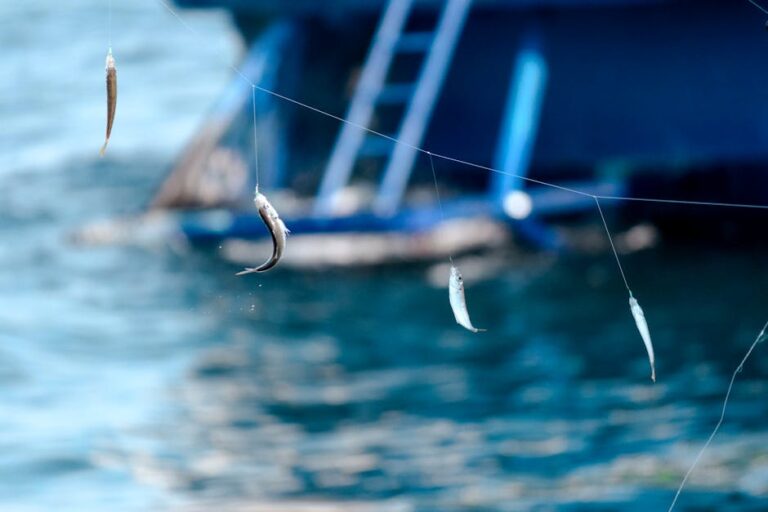
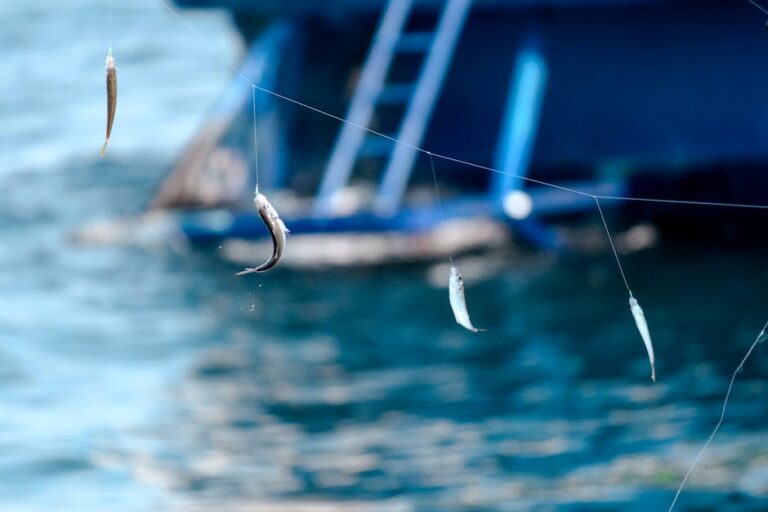
- Fresh Bait: Live bait such as ragworms, lugworms, and sand eels are popular choices. Freshness is key, as fish are more likely to be drawn to lively, active bait.
- Dead Bait: Mackerel and herring are excellent dead baits for larger predatory species like cod. Ensure that your dead bait is properly stored and handled to maintain its appeal.
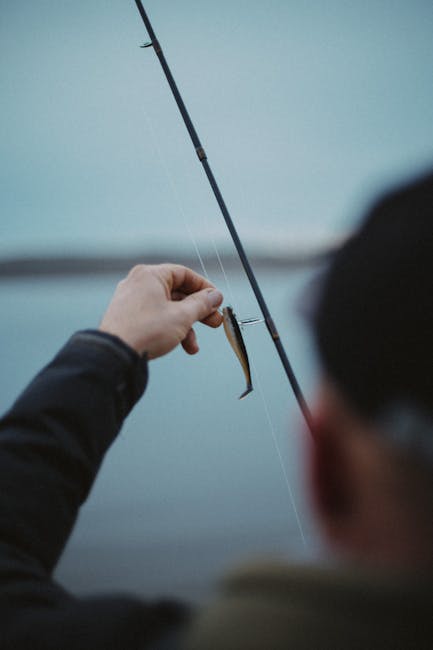
- Artificial Lures: For those who prefer a more modern approach, using artificial lures can be effective. Jigs and spoons can mimic the movement of fish, enticing predatory species. Consider the colour and size of the lure based on the current fishing conditions.
Tips for Bait Presentation
The way you present your bait can make a significant difference in your success. Here are some tips to ensure your bait is as appealing as possible:
- Hooking Technique: Properly hook your bait to ensure it stays on during casting and retrieval. For worms, threading the hook through the body can keep it secure, while fish bait should be hooked through the nose for a natural presentation.
- Depth Control: Adjusting the depth at which your bait is presented can help target specific species. Use a float or sinker to help position your bait at the desired depth.
- Movement: The movement of your bait can attract fish. When using lures, varying your retrieval speed can simulate the erratic movements of an injured fish, making it more tempting for predators.
Time and Location: The Key to Success
Timing and location play a significant role in successful sea fishing. The Sunderland coast has several hotspots where fish are more likely to be found. Early mornings and late evenings are often the best times to fish, as many species are more active during these hours. Additionally, consider fishing during tides, as many fish are drawn to areas where water movement occurs, such as estuaries and rocky outcrops.
Essential Sea Fishing Gear
Having the right gear can make your fishing experience more enjoyable and fruitful. Here are some essentials to consider:
- Rod and Reel: Choose a sturdy rod and reel combination suitable for sea fishing. A medium to heavy action rod is ideal for larger fish, while a lighter rod can be used for smaller species.
- Terminal Tackle: Ensure you have a selection of hooks, weights, and swivels. The proper tackle can help reduce line tangles and improve your chances of landing a catch.
- Safety Equipment: Safety should never be overlooked. Always wear a life jacket if fishing from a boat, and carry a first-aid kit and emergency supplies.
Fishing Etiquette and Conservation
As you enjoy your fishing experience, it is essential to follow local regulations and practice responsible fishing. Be aware of size and bag limits, and consider catch-and-release practices to help maintain fish populations. Respecting the environment and fellow anglers will ensure that everyone can enjoy the Sunderland coast for years to come.
With these tips on sea fishing line bait and effective techniques, you’re better prepared to enhance your fishing adventures off the Sunderland coast. Whether you’re aiming for a record catch or simply enjoying a day by the sea, implementing these strategies will surely increase your chances of success. Happy fishing!
About the Author