Photo by Tom Kulitze via Pexels
Introduction to Sea Fishing in Sunderland
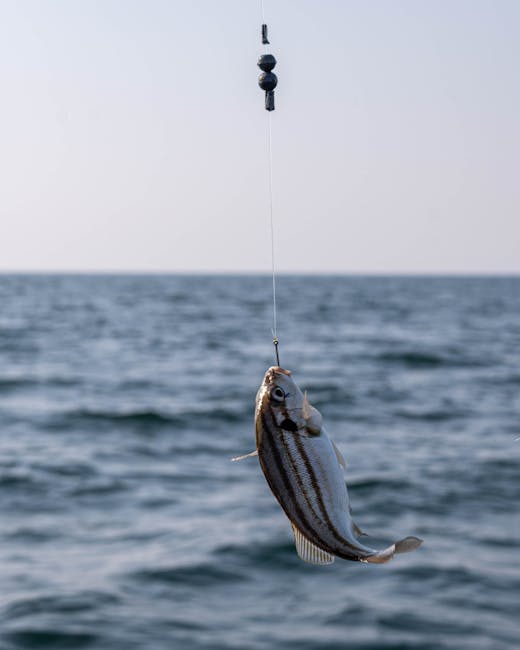
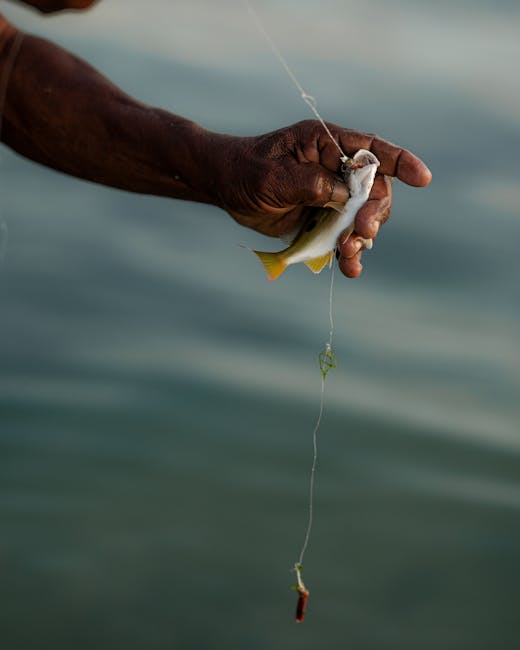
The Sunderland coast offers a rich and diverse sea fishing experience, attracting anglers from all over the UK. With its stunning views and bountiful waters, this location provides ample opportunities for both seasoned fishermen and beginners. A critical component of successful sea fishing is selecting the right gear, particularly your rod and line, as well as understanding the significance of your bait. In this blog post, we will explore essential rod tips and the best practices for using sea fishing line bait to enhance your catch.
The Right Rod for Sea Fishing
When heading out to fish in Sunderland, choosing the appropriate rod is paramount. The rod’s length, action, and power all play a role in your fishing success.
Rod Length
For sea fishing, rods typically range from 10 to 15 feet. A longer rod can provide greater casting distance, which is particularly useful when targeting species that reside further offshore. However, for pier or shore fishing, a shorter rod may offer more control and ease of use, especially in windy conditions.
Rod Action and Power
The action of the rod refers to how much of the rod bends when pressure is applied. Fast action rods bend at the tip, allowing for quick hook sets, which is beneficial for species like mackerel or bass. Conversely, a medium or slow action rod bends further down, providing more flexibility and shock absorption, ideal for larger species such as cod.
The power of the rod indicates how much weight it can handle. For sea fishing, a medium to heavy power rod is generally recommended to handle the larger fish common to the Sunderland coast.
Selecting the Right Fishing Line
Once you have your rod, the next step is to choose the correct fishing line. The type of line can significantly affect your performance and success rate.
Monofilament vs. Braided Line
Monofilament lines are popular for beginners due to their ease of use and affordability. They offer good stretch, which can be beneficial when reeling in fish. However, braided lines are becoming increasingly favoured among experienced anglers, as they provide greater sensitivity and strength while being thinner in diameter. This can make a substantial difference when casting further distances or when fishing in deeper waters.
When selecting your fishing line, consider the weight capacity and the conditions you will be fishing in. A line strength of 15 to 30lb test is generally appropriate for sea fishing in this area.
Understanding Sea Fishing Line Bait
Selecting the right bait is crucial to attracting fish. Sea fishing line bait can vary significantly depending on the species you aim to catch.
Live Bait Options
Live bait, such as ragworms or lugworms, are highly effective for catching a variety of species, including flatfish and cod. Using a fish finder rig can help present the bait effectively in the water, making it more appealing to fish.
Dead Bait Techniques
For targeting larger species such as sharks or larger cod, dead bait like mackerel or herring can be highly effective. These baits should be rigged properly to ensure they are presented naturally in the water.
Artificial Lures
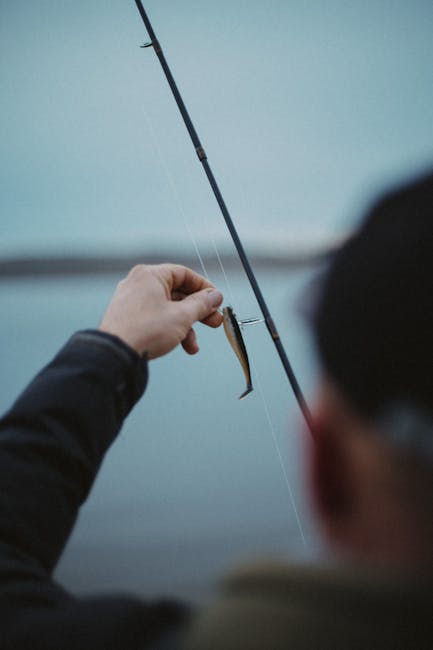
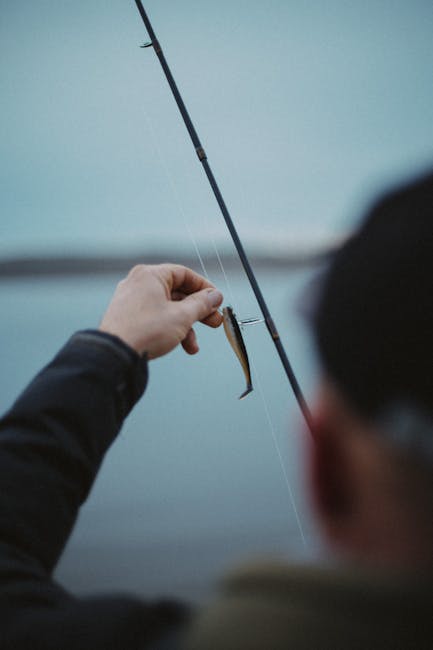
Artificial lures are also a popular choice among anglers. They can mimic the movement of fish and attract predatory species. Lures come in various shapes, sizes, and colours, allowing anglers to adapt to changing conditions. It’s a good idea to experiment with different types to see what works best on the day.
Effective Fishing Techniques
Once you have your rod and bait sorted, the next step is to employ effective fishing techniques.
Casting Techniques
A well-executed cast can mean the difference between a successful fishing trip and a disappointing one. Practice your casting technique to achieve maximum distance and accuracy. Use a smooth motion, and ensure that your line is tight before releasing.
Retrieval Methods
Your retrieval method can also influence your success. Varying your retrieval speed, pausing intermittently, and incorporating jerks or twitches can help mimic the natural movement of baitfish, making your offering more enticing.
Local Regulations and Best Practices
It is essential to be aware of local fishing regulations and best practices. Ensure you have the appropriate fishing license and adhere to local guidelines regarding catch sizes and limits. This not only protects the fish populations but also ensures sustainable fishing for future generations.
Final Thoughts
Sea fishing off the coast of Sunderland can be a rewarding experience, provided you equip yourself with the right knowledge and tools. Understanding how to select the proper rod, line, and bait, as well as mastering effective fishing techniques, will significantly enhance your chances of landing a great catch. Whether you are a seasoned angler or just starting out, the Sunderland coast offers an exciting opportunity to enjoy the great outdoors while honing your fishing skills.
About the Author