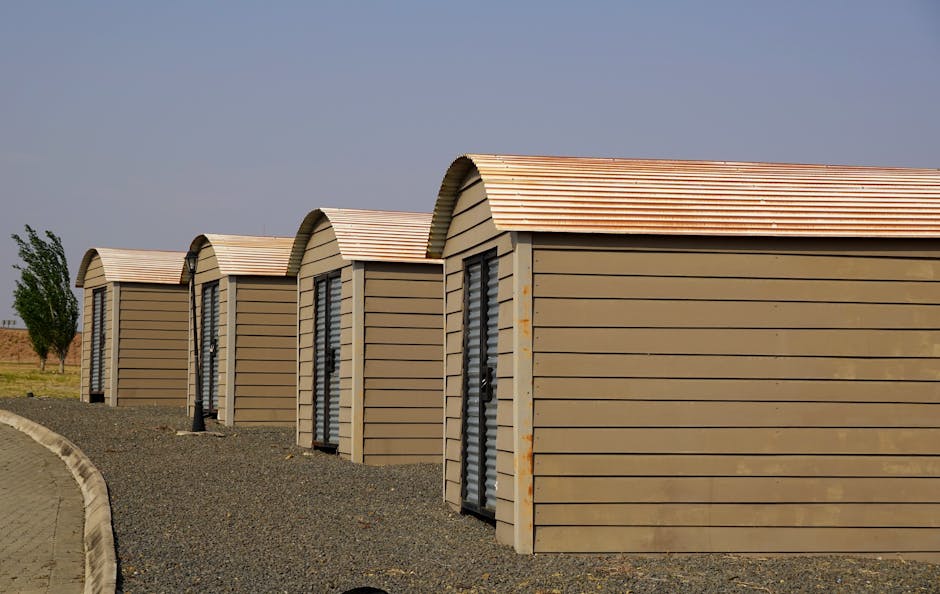
Photo by Magda Ehlers via Pexels
Sunderland’s coastal waters are a treasure trove for sea fishing enthusiasts, offering a diverse range of species and fishing experiences. Whether you are a seasoned angler or a beginner, understanding the best practices and equipment can significantly enhance your fishing trip. In this article, we will explore essential tips for selecting the right rod and tackle, ensuring you have the best chance of a successful outing. Additionally, we’ll touch on a simple shed roof design to store your fishing gear effectively.
Choosing the Right Fishing Rod
The first step in ensuring a successful fishing experience off the Sunderland coast is selecting the right rod. With the varied conditions of the North Sea, it’s essential to consider factors such as rod length, action, and material.
Rod Length and Action
For sea fishing, a rod length between 10 to 15 feet is generally recommended. This length allows for greater casting distance, essential for reaching fish that may be further offshore. The action of the rod—whether fast, medium, or slow—determines how much flexibility it has. A medium action rod is often ideal for general sea fishing as it balances sensitivity with strength.
Material Considerations
Most fishing rods are made from either fibreglass or graphite. Fibreglass rods are typically more durable and can withstand rough conditions, making them suitable for beginners. Graphite rods, on the other hand, are lighter and offer increased sensitivity, which can be beneficial for detecting bites. Ultimately, the choice between these materials will depend on your personal preference and fishing style.
Selecting the Right Reel
Once you’ve chosen your rod, the next step is selecting a reel that complements it. A spinning reel is often the best choice for sea fishing, as it allows for easy casting and retrieval.
Reel Size and Gear Ratio
When selecting a spinning reel, consider the size in relation to the rod you have chosen. A medium-sized reel (around 4000 to 6000) is typically suitable for the species you’ll encounter off Sunderland’s coast. Additionally, pay attention to the gear ratio, which affects how quickly you can retrieve your line. A higher gear ratio means faster retrieval, which can be advantageous when reeling in fish.
Choosing the Right Line and Tackle
Your choice of fishing line and tackle can make a significant difference in your fishing success.
Fishing Line Types
Monofilament line is a popular choice due to its flexibility and ease of use. However, braided line offers greater sensitivity and strength, making it a preferred option for experienced anglers. A line test of 15 to 30 lb is generally adequate for most species found off Sunderland, such as cod, whiting, and mackerel.
Hooks and Baits
Selecting the right hooks and baits is crucial. For sea fishing, use strong hooks in sizes ranging from 1/0 to 5/0, depending on the species you target. Live bait, such as ragworm or lugworm, is often very effective, as are artificial lures that mimic local prey.
Fishing Techniques for Success
Once you have your gear ready, it’s essential to employ the right techniques to increase your chances of a successful catch.
Understanding Tides and Weather
Tide patterns play a significant role in fishing success. Generally, fish are more active during rising tides. Additionally, factors such as wind direction and weather conditions can affect fish behaviour. Keeping an eye on these variables can provide insight into the best times to cast your line.
Cast and Retrieve Techniques
When it comes to casting, aim for a smooth and controlled motion. For retrieval, varying your speed can make your bait more attractive to fish. Experimenting with both fast and slow retrieves can help you determine what works best on any given day.
Storing Your Fishing Gear
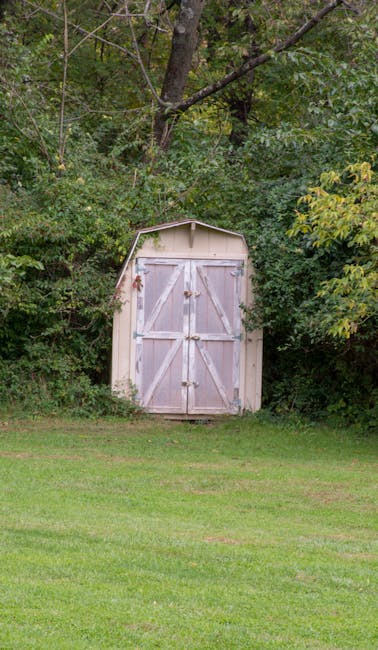
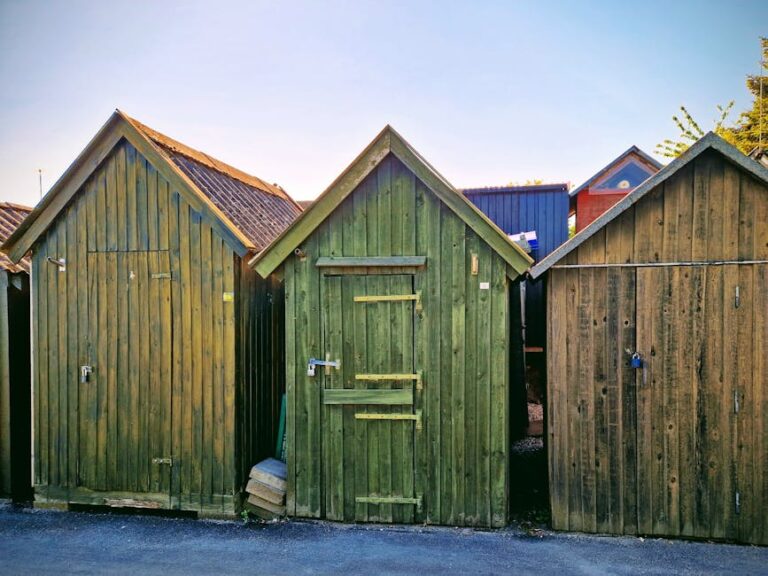
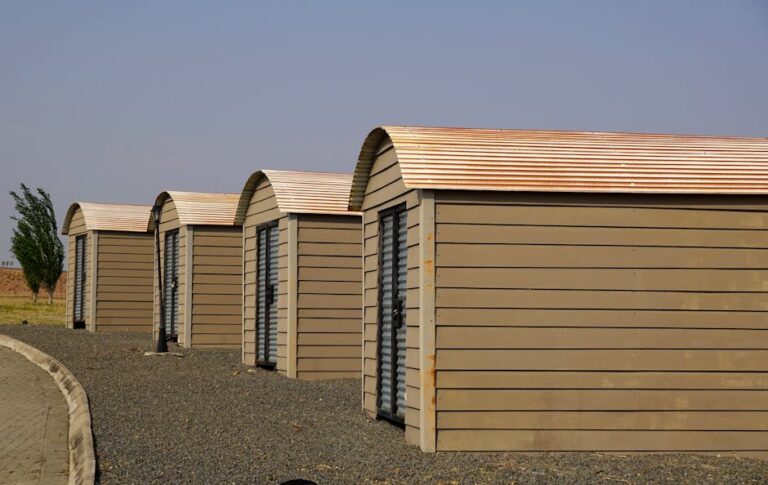
After a successful day on the water, proper storage of your fishing gear is essential to maintain its longevity. A simple shed roof design can provide an excellent solution for protecting your equipment from the elements.
Benefits of a Simple Shed Roof Design
A shed with a sloped roof allows rainwater to run off easily, preventing moisture accumulation that could damage your rods and reels. Ensure the shed is well-ventilated to help keep humidity levels down. This basic design can be executed with minimal materials, making it practical for DIY enthusiasts looking to create a functional space for their fishing gear.
Organising Your Equipment
Inside your shed, consider using shelves or pegboards to organise tackle boxes, rods, and reels. Keeping everything in its place not only helps you locate gear quickly but also protects your equipment from unnecessary wear and tear.
Final Thoughts
Fishing off the Sunderland coast offers a rewarding experience, whether you are there for relaxation or the thrill of the catch. By selecting the right rod, reel, and tackle, and employing effective fishing techniques, you’ll increase your chances of success. Moreover, a simple shed roof design can help you maintain and protect your equipment, ensuring you are always ready for your next fishing adventure. With these tips in hand, you’re well on your way to making the most of your sea fishing experiences.
About the Author