Photo by Sergio A. De La Rosa via Pexels
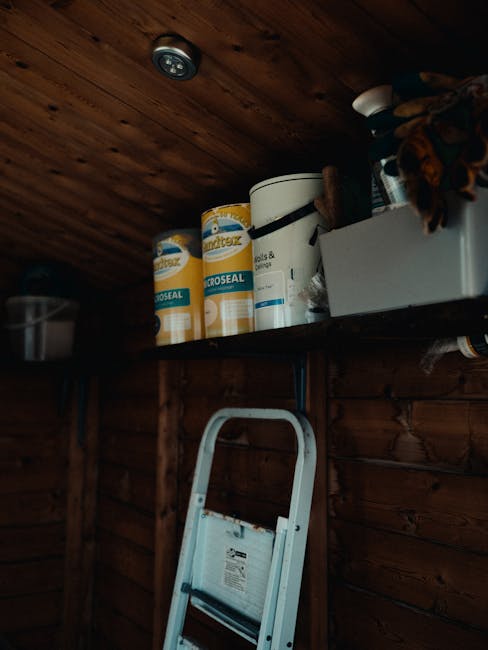
Fishing enthusiasts are continually on the lookout for techniques and equipment that enhance their experience and success on the water. For those keen on sea fishing off the Sunderland coast, knowing the best rod tips can significantly impact your catch rate and overall enjoyment. As you prepare for your next fishing expedition, consider some reclaimed wood shed ideas for storing and displaying your fishing gear, ensuring everything is organised and easily accessible. This post explores the essential tips for selecting and using rods effectively while sea fishing in this beautiful coastal region.
Understanding the Sunderland Coastline
The Sunderland coastline offers a diverse range of fishing opportunities, from piers to rocky shores and sandy beaches. Each of these environments presents unique challenges and advantages, making it essential to choose the right rod based on your fishing location and target species. The waters here are home to various fish, including cod, mackerel, and flatfish, so understanding the local ecology can greatly enhance your fishing success.
Choosing the Right Rod for Sea Fishing
When it comes to sea fishing, the type of rod you select is crucial. Here are some key factors to consider:
Length and Action
The length of your rod can influence casting distance and control. For sea fishing off Sunderland, a rod between 10 to 13 feet is generally recommended. This length allows for better casting into deeper waters where larger fish may be lurking. The action of the rod—whether it’s fast, medium, or slow—will also affect how it performs with different lures and baits. A medium action rod is often versatile enough for various techniques, while a fast action rod provides more sensitivity and control for experienced anglers.
Material Matters
Rods are typically made from fibreglass, graphite, or composite materials. Fibreglass rods are known for their durability, making them suitable for beginners and rough conditions. In contrast, graphite rods are lighter and more sensitive, providing immediate feedback when a fish bites. Your choice should depend on your skill level and the conditions you expect to encounter.
Reels: The Perfect Pairing with Your Rod
Choosing the right reel is as important as selecting your rod. Spinning reels are popular for sea fishing due to their ease of use and versatility. When matched with a suitable rod, they can handle various fishing techniques, whether you’re casting lures or using bait. Look for a reel with a smooth drag system and corrosion-resistant materials to withstand the salty sea environment.
Line Selection
The fishing line you choose should complement your rod and reel setup. Monofilament lines are common for their ease of handling and knot tying, while braided lines offer superior strength and sensitivity. Depending on the species you’re targeting, a line with a breaking strain of around 15 to 30 pounds is generally suitable for sea fishing in this region.
Techniques for Successful Sea Fishing
While having the right equipment is vital, employing effective fishing techniques is equally important. Here are some tips to maximise your fishing experience off the Sunderland coast:
Know Your Bait
Different fish species are attracted to various types of bait. Live bait, such as ragworm or lugworm, can be particularly effective for targeting larger species like cod. Alternatively, artificial lures can be useful for catching mackerel, especially during their peak season. Understanding what fish are biting and what they prefer can greatly increase your chances of a successful trip.
Timing is Key
Fish are often more active during specific times of the day, such as dawn and dusk. Planning your fishing trips during these periods can lead to increased activity and better chances of a catch. Additionally, consider the tides; fishing during a rising tide can often yield better results as fish tend to move closer to shore.
Storing Your Gear: Reclaimed Wood Shed Ideas
As you engage in sea fishing, it’s essential to keep your gear organised and protected. One creative way to do this is by constructing a shed using reclaimed wood. This not only provides an eco-friendly storage solution but also adds a rustic charm to your backyard or garden. Here are a few reclaimed wood shed ideas to consider:
Vertical Racks for Rods
Create vertical racks to hang your fishing rods securely. This keeps them safe from damage and makes them easily accessible when you’re ready to hit the water. The rustic aesthetic of reclaimed wood adds a unique touch to your storage solution.
Custom Shelves for Tackle Boxes
Install shelves within your shed to house tackle boxes and other fishing accessories. Using reclaimed wood not only provides durability but also allows you to organise your gear neatly, ensuring you can find everything you need before your fishing trip.
Safety and Environmental Considerations
When fishing off the Sunderland coast, always prioritise safety and environmental responsibility. Wear appropriate safety gear, such as a life jacket if you’re fishing from a boat, and adhere to local fishing regulations to protect marine life. Practising catch and release can also help maintain fish populations for future generations of anglers.
By considering the right rod and techniques, along with practical storage solutions, you can enhance your sea fishing experience off the Sunderland coast. Whether you’re a seasoned angler or just starting, these tips will help you make the most of your time on the water.
About the Author