Photo by Peter Holmboe via Pexels
Sunderland, with its rugged coastline and rich marine life, has become a popular destination for sea fishing enthusiasts. Whether you are a seasoned angler or a novice looking to get started, understanding the best fishing rods and techniques can significantly enhance your experience. In this guide, we’ll explore various rod tips and techniques for fishing off the Sunderland coast, along with some practical advice for those interested in low-cost shed materials for storing your fishing gear.
The Sunderland Fishing Scene
The waters off Sunderland are teeming with a variety of fish species, including cod, whiting, and mackerel. The proximity to deeper waters, combined with the rich nutrients flowing into the North Sea, makes this area particularly attractive to anglers. Before you cast your line, however, it’s important to choose the right rod for the conditions.
Choosing the Right Rod
When it comes to rod selection, various factors come into play. Here’s a breakdown of what you should consider:
Rod Length
The length of your fishing rod can greatly influence your casting distance and control. For sea fishing off the Sunderland coast, rods typically range from 9 to 12 feet. A longer rod allows for greater casting distance, which is beneficial when targeting species that are further out. However, a shorter rod offers more control, especially in rougher seas.
Rod Action
Rod action refers to how much of the rod bends when pressure is applied. For sea fishing, a medium to fast action rod is often recommended. This type of rod allows for better sensitivity to bites, enabling you to react quickly. Fast action rods are ideal for larger species, while medium action rods can be more forgiving for beginners.
Material Matters
Fishing rods are generally made from either fibreglass or carbon fibre. Fibreglass rods are more robust and are often a lower-cost option, making them ideal for beginners. Carbon fibre rods, while generally more expensive, are lighter and offer better sensitivity. If you’re looking for low-cost shed materials, consider using fibreglass rods as they are durable and can withstand the elements.
Reels and Line Choices
The choice of reel is just as important as the rod. A good quality spinning reel can make a significant difference in your fishing experience. Here are some tips:
Spinning vs. Fixed Spool Reels
Spinning reels are a popular choice among sea anglers due to their versatility and ease of use. They allow for smooth casting and retrieval, which is especially useful when targeting fast-moving fish like mackerel. Fixed spool reels can also be effective; however, they require a bit more skill to operate effectively.
Line Strength
For sea fishing, a line strength of 15 to 30 lb test is generally recommended. This will provide the necessary strength to handle larger fish while still allowing for finesse in your technique. Braided lines are also a great option as they offer superior strength and sensitivity, although they can be more expensive.
Effective Techniques for Sunderland Sea Fishing
Once you’ve selected your rod and reel, it’s time to focus on technique. Here are some effective methods for fishing off the Sunderland coast:
Bottom Fishing
Bottom fishing involves casting your line to the seabed where many species, such as cod and flatfish, reside. This technique requires weights to keep your bait near the bottom. Use a rig that includes hooks and weights to effectively target these species.
Drift Fishing
Drift fishing allows you to cover large areas of water without necessarily anchoring your boat. This technique is particularly effective for species that roam, such as mackerel. Ensure you’re using a suitable rod and reel setup to handle the varying conditions.
Using Bait Effectively
The type of bait you use can have a significant impact on your success. Fresh bait, such as lugworm, ragworm, or mackerel strips, is often more effective than frozen options. Experimenting with different baits can help you determine what works best for the local fish population.
Building Your Fishing Shed
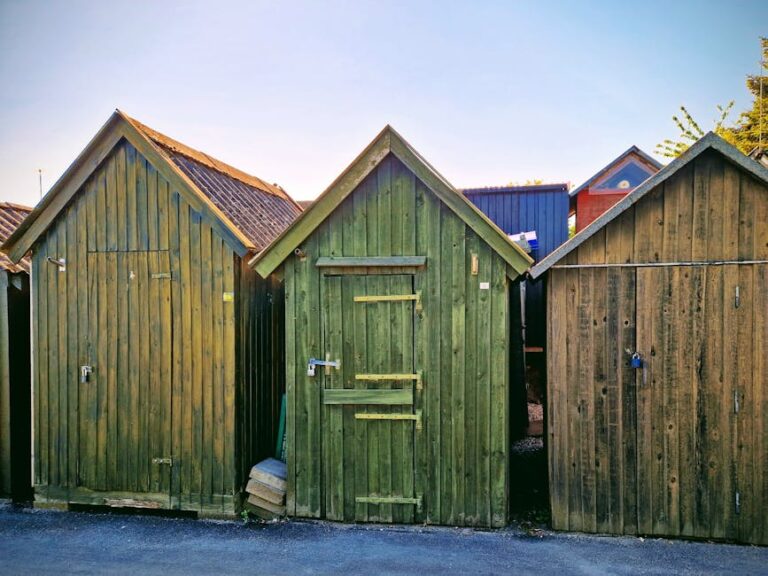
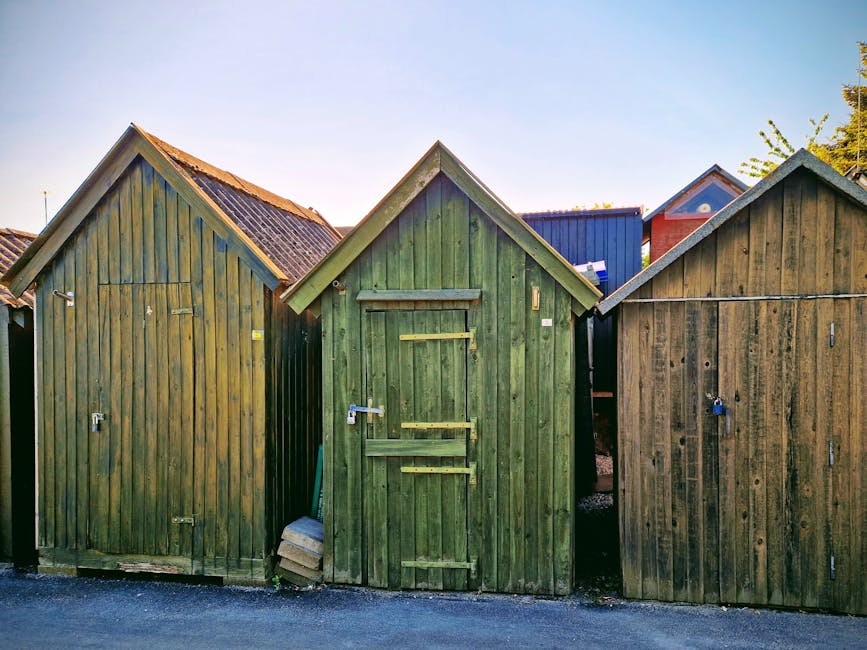
As your fishing hobby expands, you may find the need for a dedicated space to store your gear. If you’re considering constructing a shed for your fishing equipment, utilising low-cost shed materials can be a wise choice.
Choosing Low-Cost Materials
When it comes to building a fishing shed, consider materials that are both cost-effective and durable. Plywood is often a popular choice for walls due to its affordability and ease of use. Additionally, treated timber can be used for the frame, ensuring longevity against the elements. Metal sheeting can also be a great option for roofing, providing excellent weather resistance.
Design Considerations
Ensure your shed has adequate ventilation to prevent moisture buildup, which can damage your fishing gear. Incorporate shelves and hooks for organised storage, enabling easy access to rods, reels, and tackle boxes. A well-planned shed will not only protect your equipment but also enhance your fishing experience.
Final Thoughts
Fishing off the Sunderland coast offers a thrilling experience for anglers of all levels. By selecting the right rod, reel, and techniques, you can maximise your chances of a successful catch. Moreover, building a dedicated shed using low-cost materials will help keep your gear in top condition, ready for your next adventure. As the tides change, so too will your fishing skills, making every outing a new opportunity to learn and enjoy the beautiful waters of Sunderland.
About the Author