Photo by Chris Door via Pexels
Sunderland’s coastline offers an incredible array of opportunities for sea fishing enthusiasts. Whether you’re a seasoned pro or a novice angler, the right equipment and techniques can significantly enhance your fishing experience. In this guide, we’ll explore the best rod tips to help you make the most of your time on the water, all while keeping in mind a small shed design on a budget for storing your fishing gear.
Choosing the Right Rod for Sea Fishing
Selecting the appropriate rod is paramount for successful fishing. Sea fishing rods come in various lengths, materials, and actions, each suited for different types of fishing.
1. **Length and Power**: A rod between 10 to 12 feet is generally ideal for surf casting off the Sunderland coast. Longer rods allow you to cast further out into the sea, which is crucial when targeting species like mackerel or cod. Ensure that you choose a rod with sufficient power (medium to heavy) to handle the larger fish you might encounter.
2. **Material**: Fishing rods are typically made from fibreglass or carbon fibre. Fibreglass rods are sturdy and more forgiving, making them suitable for beginners. On the other hand, carbon fibre rods are lighter and offer better sensitivity, which can be advantageous when trying to detect bites.
3. **Action**: The action of a rod refers to how much it bends when pressure is applied. Fast action rods bend at the tip, providing better sensitivity, whereas slow action rods bend more along the length. For sea fishing, a medium action rod often strikes the right balance, offering both sensitivity and power.
Reels: The Heart of Your Setup
While the rod is crucial, the reel is equally important in your fishing setup. For sea fishing, spinning reels are generally preferred due to their ease of use and versatility.
1. **Size**: A reel size ranging from 4000 to 6000 is ideal for sea fishing. This size provides ample line capacity and the drag strength necessary to handle larger fish.
2. **Gear Ratio**: Look for a reel with a gear ratio of at least 5:1. This ratio allows for faster retrieval, which can be vital when reeling in a fish that has taken your bait quickly.
3. **Durability**: Since you’ll be fishing in saltwater, choose a reel constructed with corrosion-resistant materials. This will extend the life of your equipment and keep it functioning smoothly.
Line and Leaders: Essential Components
The choice of fishing line can significantly impact your success. A strong line is essential for withstanding the rigours of sea fishing.
1. **Monofilament vs. Braided Line**: Monofilament lines offer good stretch and are easier to manage for beginners. However, braided lines provide superior strength and sensitivity, making them a favourite among experienced anglers. For sea fishing, consider using a braided line due to its durability and thin profile, allowing for longer casts.
2. **Leader Line**: When targeting species like bass or flatfish, consider using a leader line. This is a stronger line that is attached to your main line, offering increased abrasion resistance against rocks and sharp teeth.
Bait and Lures: What to Use
Choosing the right bait can make a world of difference in your fishing success. Depending on the time of year and the species you’re targeting, different options may work better.
1. **Natural Bait**: Fresh bait such as mackerel, squid, or ragworms can be very effective for attracting a variety of fish. Local tackle shops often sell these baits, ensuring you have the freshest options available.
2. **Artificial Lures**: If you prefer using lures, consider investing in jigs, spoons, or soft plastics. These can mimic the movement of prey, making them enticing to fish. Bright colours can be particularly effective in murky waters, so don’t hesitate to experiment with different styles.
Techniques for Successful Fishing
Once you’ve got your gear sorted, it’s time to think about your fishing techniques. Here are some tips that can help improve your catch rate:
1. **Casting**: Master the art of casting. A smooth and controlled cast can help you place your bait in the right spot. Practice makes perfect, so don’t be disheartened if you don’t get it right immediately.
2. **Tides and Timing**: Understanding local tides is crucial for successful fishing. Many anglers find that fishing during the last hour of the incoming tide or the first hour of the outgoing tide yields the best results. These periods often coincide with increased fish activity.
3. **Patience and Observation**: Sea fishing often requires a good degree of patience. Pay attention to the behaviour of the water and any signs of fish activity, such as jumping fish or birds diving. These clues can lead you to a successful fishing spot.
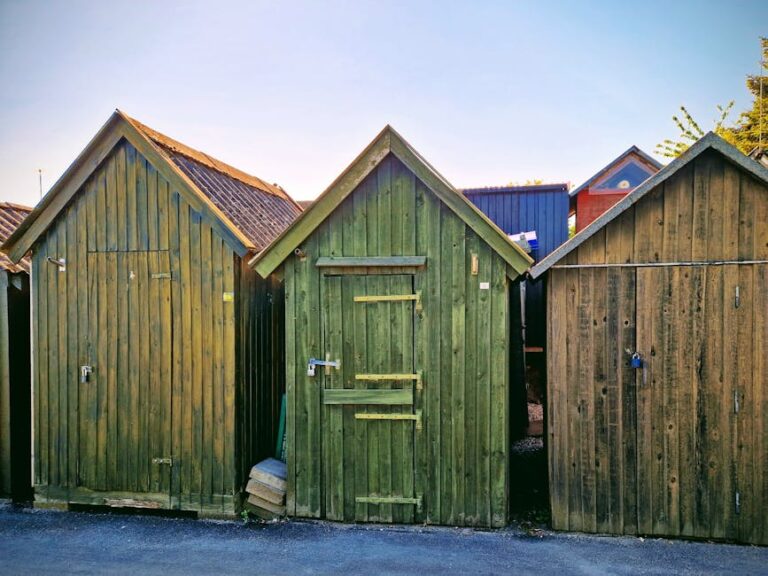
Storing Your Equipment: A Small Shed Design on a Budget
After a successful day of fishing, proper storage of your equipment is essential to maintain its longevity. If you’re considering a small shed design on a budget to store your fishing gear, here are some tips:
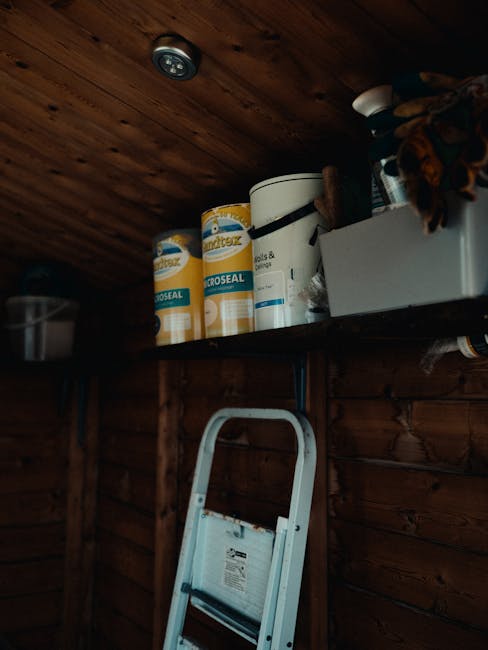
1. **Space Utilisation**: Opt for vertical storage solutions, such as hooks or shelves, to maximise space. This allows you to store rods, reels, and tackle boxes efficiently.
2. **Weather Resistance**: Ensure that your shed is properly insulated and weatherproof to protect your gear from the elements.
3. **Budget-Friendly Materials**: Consider using reclaimed wood or pallets for a cost-effective shed design. These materials can provide a rustic charm while keeping expenses low.
By selecting the right rod, reel, line, and bait, along with employing effective fishing techniques, you can significantly enhance your sea fishing experience off the Sunderland coast. With a well-thought-out storage solution like a small shed design on a budget, you can keep your fishing gear organised and ready for your next adventure on the water. Happy fishing!
About the Author