Photo by Loren Biser via Pexels
Sunderland, with its long sandy beaches and rich marine life, offers an exhilarating experience for sea fishing enthusiasts. Among the various techniques employed by anglers, beachcasting is particularly popular, allowing for greater distance and access to deeper waters. Selecting the right beachcasting rods is crucial for a successful fishing trip. In this guide, we will explore essential tips to enhance your beachcasting experience off the Sunderland coast.
Understanding Beachcasting Rods
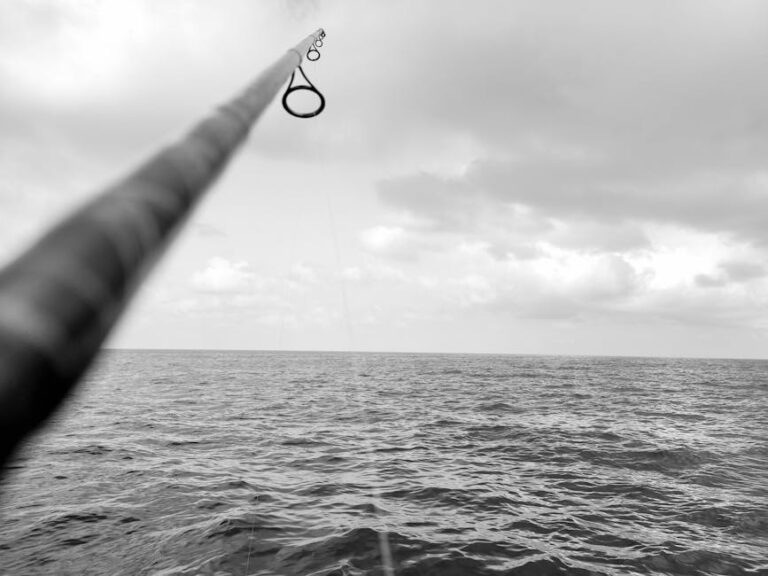
Beachcasting rods are specifically designed to handle the rigours of surf fishing. These rods are typically longer than standard rods, usually ranging from 10 to 15 feet, which enables anglers to cast their bait further into the surf where larger fish are often found. The primary features that distinguish beachcasting rods include their length, power, action, and material.
Choosing the Right Length
The length of your beachcasting rod significantly affects your casting distance and accuracy. For surf fishing off the Sunderland coast, a rod measuring between 12 and 13 feet is generally recommended. This length provides a good balance between reach and control, allowing you to cast over waves and into deeper waters where fish like cod and whiting tend to congregate.
If you are relatively new to beachcasting, starting with a rod around 12 feet can provide a manageable experience. More experienced anglers may prefer longer rods for increased casting distance, but it’s important to ensure that you can handle the rod comfortably.
Power and Action: Finding the Right Balance
When selecting a beachcasting rod, understanding its power and action is vital. Power refers to the rod’s ability to handle weight, while action describes how much of the rod bends when pressure is applied.
– **Power**: Beachcasting rods generally come in light, medium, and heavy power options. For fishing in Sunderland, a medium to heavy power rod is often ideal, as it allows you to cast heavier leads that are needed to combat the surf and reach distant fishing spots.
– **Action**: Fast action rods bend primarily at the tip, allowing for quicker hook sets, while slow action rods bend throughout their length, providing more flexibility. A medium-fast action rod is often the best choice for beachcasting, as it offers a good combination of sensitivity and strength.
Material Matters: Rod Composition
The material used in your beachcasting rod impacts its performance and durability. The most common materials are graphite and fibreglass:
– **Graphite**: Known for its sensitivity and lightweight properties, graphite rods are excellent for detecting subtle bites. However, they can be more susceptible to breakage under heavy loads.
– **Fibreglass**: These rods are more robust and can withstand the rigours of fishing in rough surf conditions. While slightly heavier than graphite, fibreglass rods are often more forgiving and can handle larger fish without compromising on performance.
For many anglers, a composite rod that combines both materials can provide the best of both worlds, offering sensitivity without sacrificing strength.
Reel Compatibility and Line Choice
Pairing your beachcasting rod with the right reel is essential for optimal performance. A fixed spool reel is commonly used for beachcasting due to its ease of use and the ability to cast long distances. When selecting a reel, ensure it has a strong drag system, as you will often encounter larger fish that can put up a fight.
As for line choice, braided line is often preferred for beachcasting as it has a smaller diameter, allowing for longer casts. A line strength of around 15 to 30-pound test is typically suitable for the species you might encounter off the Sunderland coast.
Techniques for Effective Beachcasting
Once you have selected the appropriate gear, mastering the technique of beachcasting is essential. Here are some tips to improve your casting technique:
– **Stance**: Position your feet shoulder-width apart with your non-dominant foot slightly forward. This stance provides stability during the cast.
– **Grip**: Hold the rod firmly but not too tightly. A relaxed grip allows for better control during the cast.
– **Casting Motion**: Start with the rod behind you. In one smooth motion, bring the rod forward while releasing the line at the apex of your cast. Practice will help you achieve a fluid motion, increasing both distance and accuracy.
– **Timing**: Make sure to time your cast with the wave action; casting as a wave recedes can help propel your bait further into the surf.
Local Knowledge: Fishing Seasons and Species
Understanding the local fishing seasons and the species available can greatly enhance your beachcasting experience. Off the Sunderland coast, you can expect to find a variety of species, including cod, whiting, flatfish, and mackerel, depending on the time of year.
The summer months generally see an influx of mackerel near the shore, while cod and whiting are more prevalent in the winter. Keeping an eye on local fishing reports and connecting with local anglers can provide invaluable insights into the best times and techniques for successful fishing.
Respecting the Marine Environment
As you enjoy your fishing adventures off the Sunderland coast, it’s essential to respect the marine environment. Follow local regulations regarding catch limits and sizes, and practice responsible fishing techniques to ensure the sustainability of fish populations for future generations. Always dispose of litter properly and consider participating in local beach clean-up efforts.
By selecting the right beachcasting rods and employing effective techniques, you can enhance your fishing experience along the beautiful Sunderland coastline. Happy fishing!
About the Author